+91 - 8010-555-111
 INR
INR  AUD - Australian Dollar
  BHD - Bahraini Dinar
  GBP - British Pound
  CAD - Canadian Dollar
  EUR - Euro
  HKD - Hong Kong Dollar
  IDR - Indonesian Rupiah
  ILS - Israeli New Shekel
  JPY - Japanese Yen
  KWD - Kuwaiti Dinar
  MYR - Malaysian Ringgit
  MUR - Mauritian Rupee
  NZD - New Zealand Dollar
  OMR - Omani Rial
  PHP - Philippine Peso
  QAR - Qatari Riyal
  SAR - Saudi Riyal
  SGD - Singapore Dollar
  CHF - Swiss Franc
  USD - US Dollar
  AED - United Arab Emirates Dirham
  VND - Vietnamese Dong






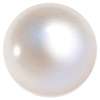
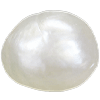
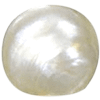
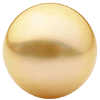
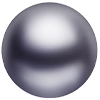





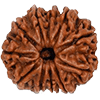
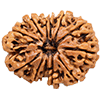
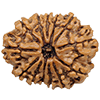
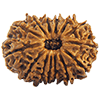
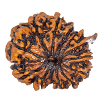
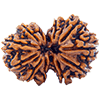





Black Tahitian Pearl
 Brings Inner Peace & Protection
Emotional Balance
Helps deal with Anger issues
Purity
Wisdom
Brings Inner Peace & Protection
Emotional Balance
Helps deal with Anger issues
Purity
Wisdom

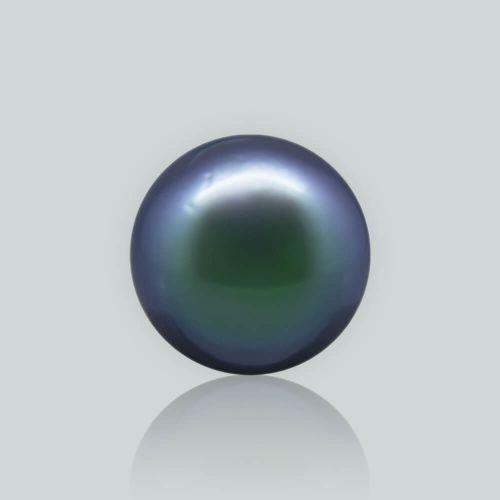
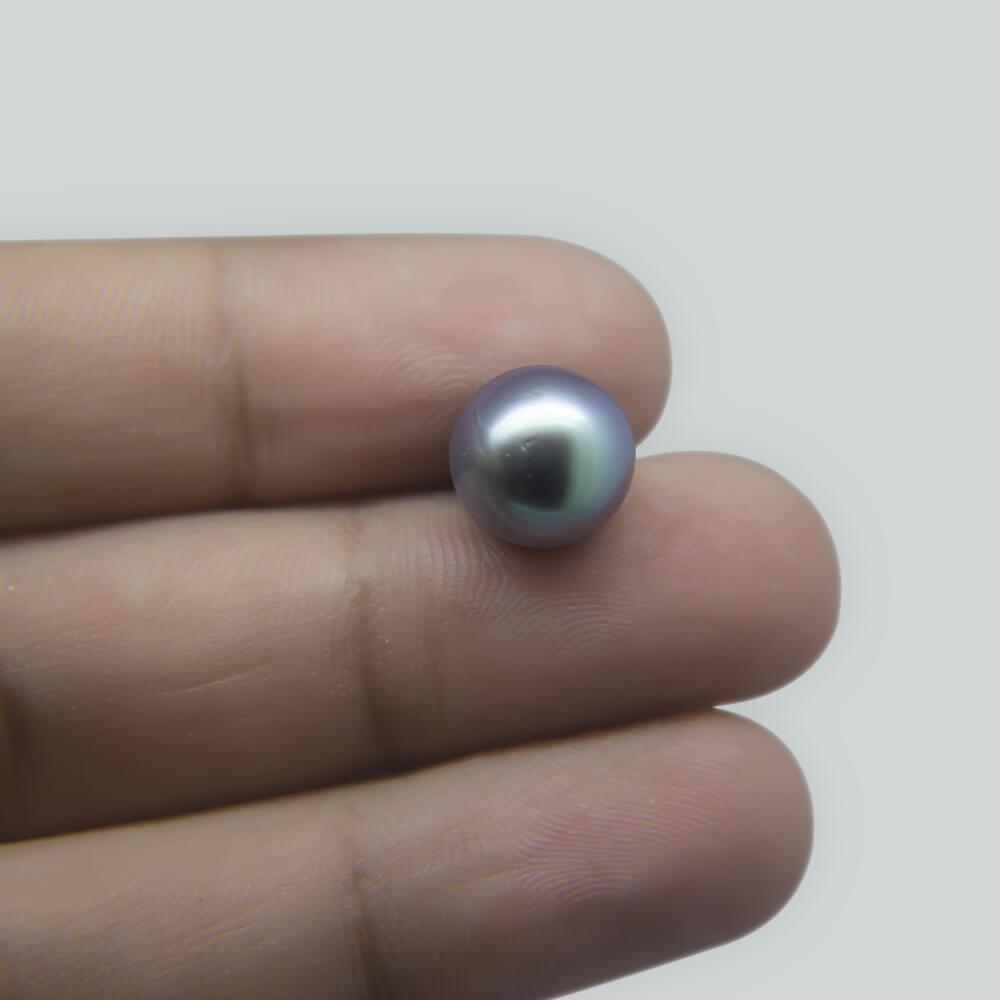

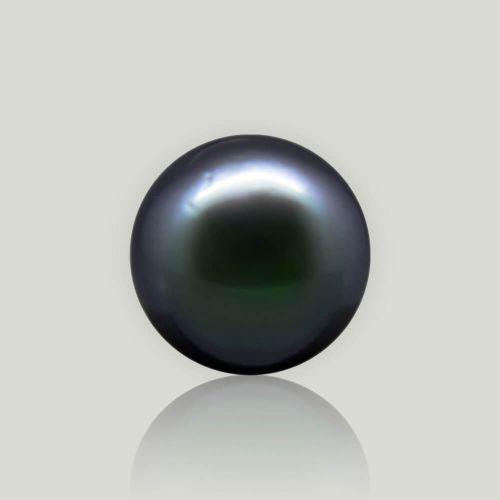
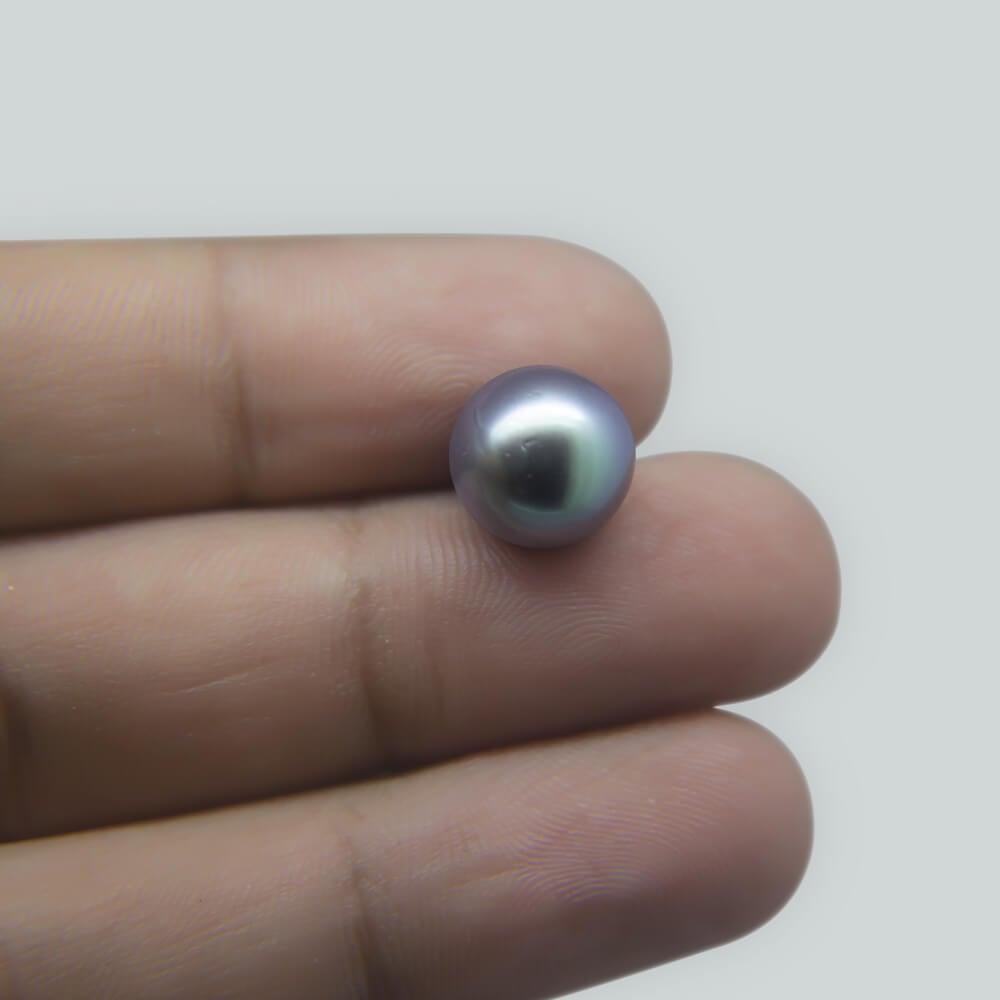
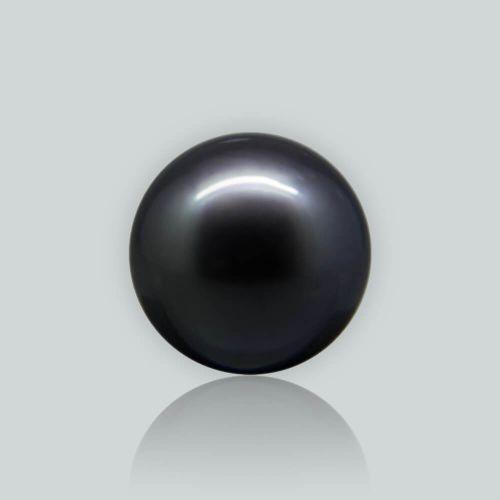
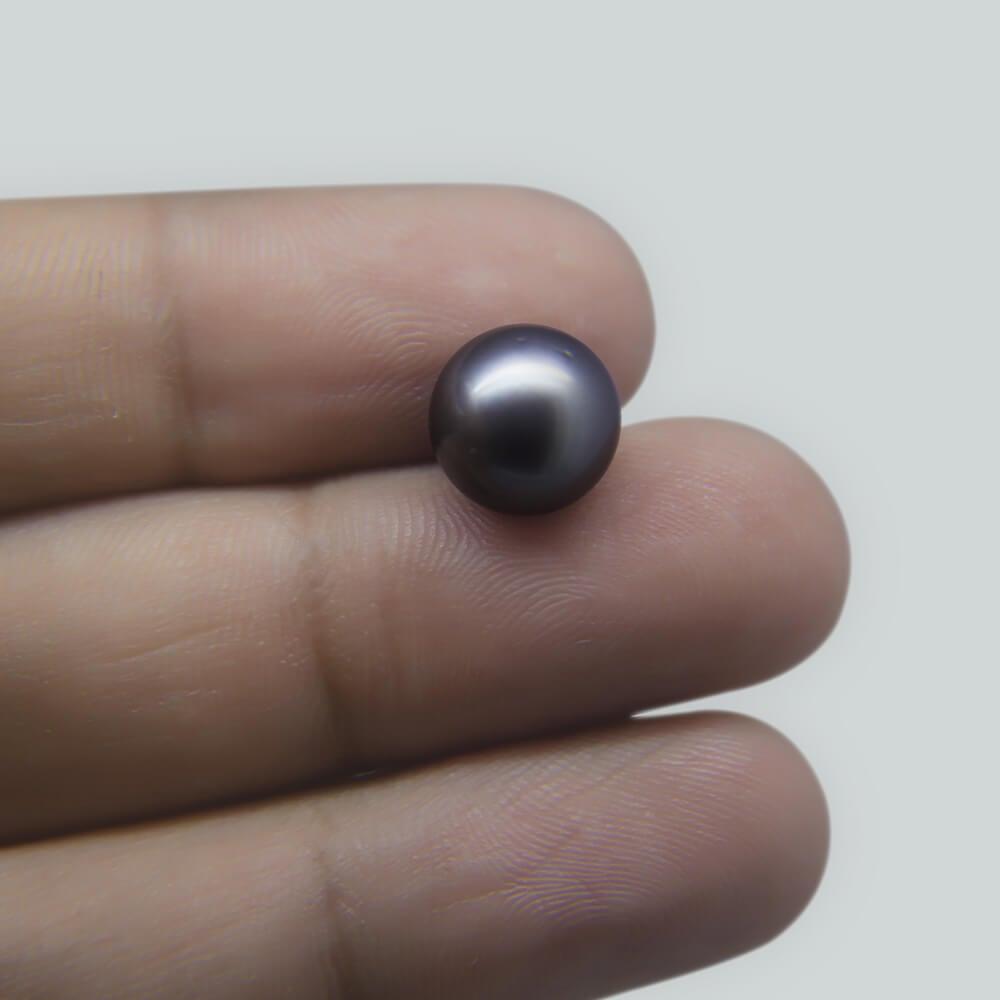
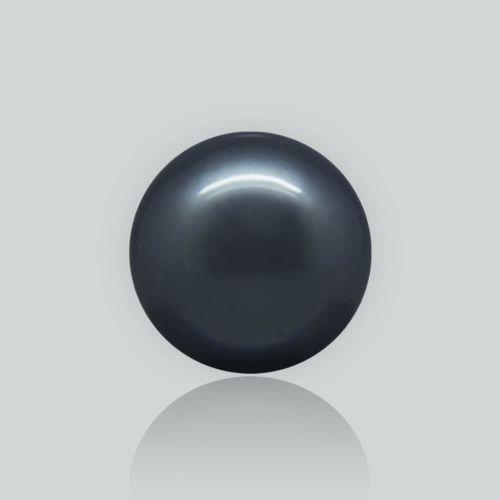
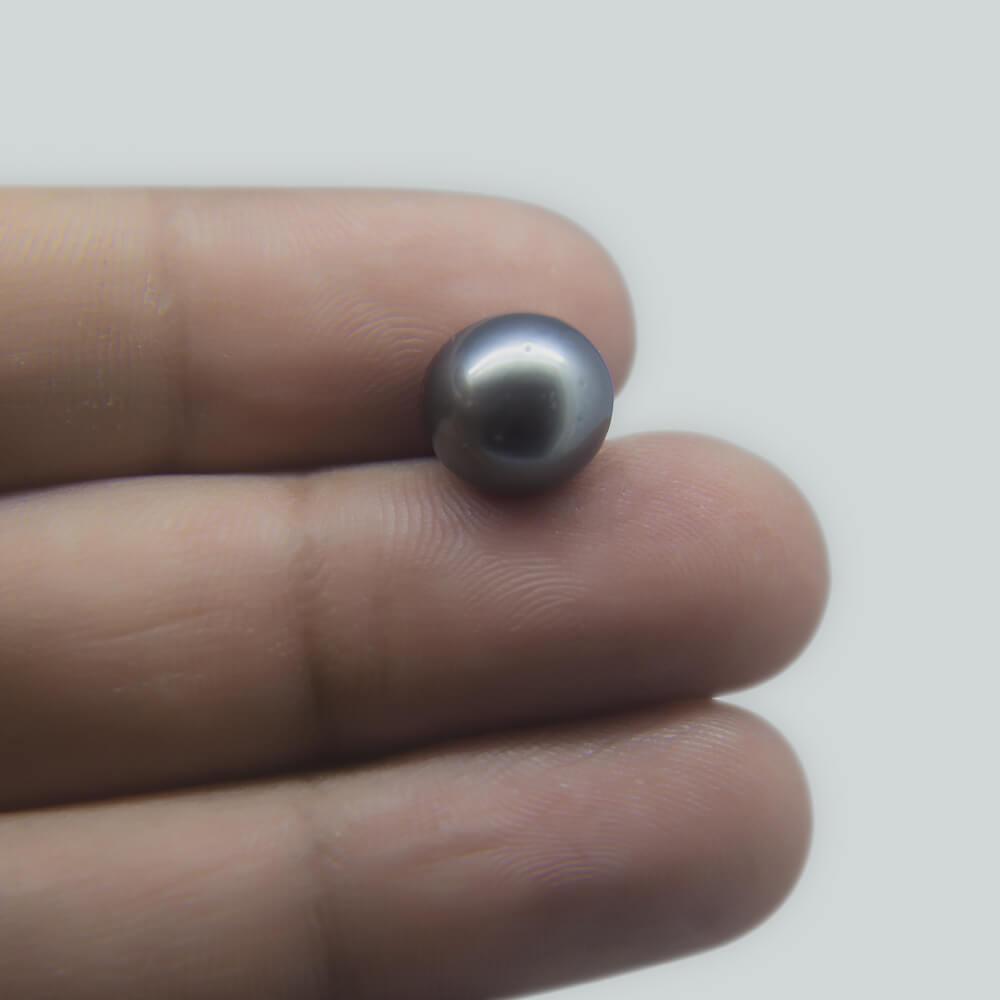
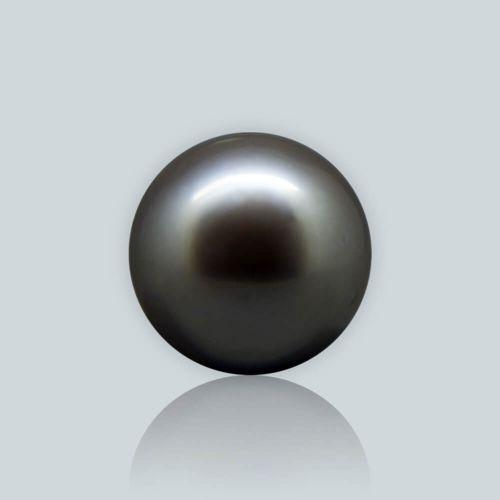
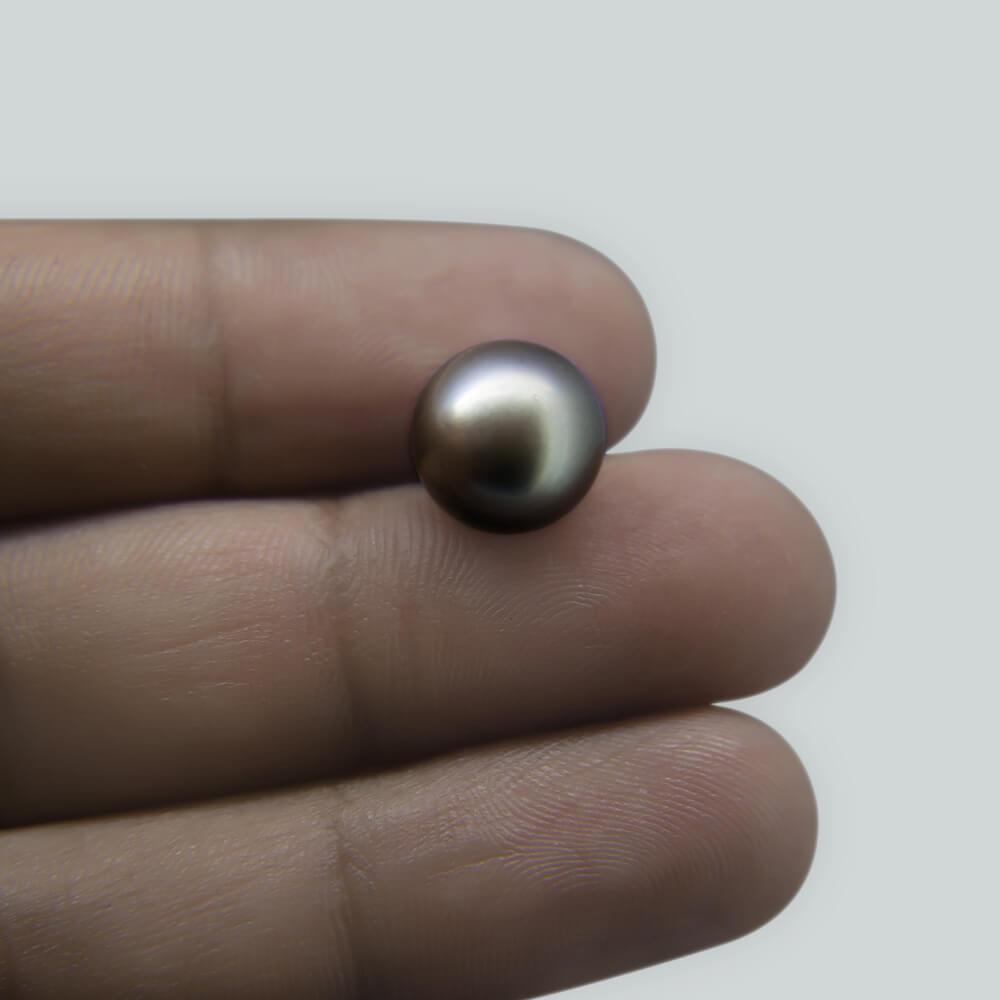
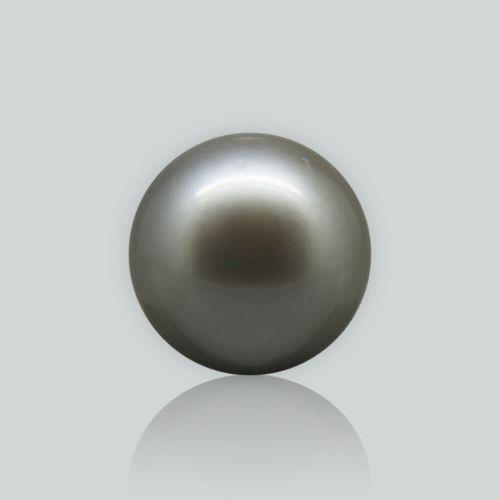
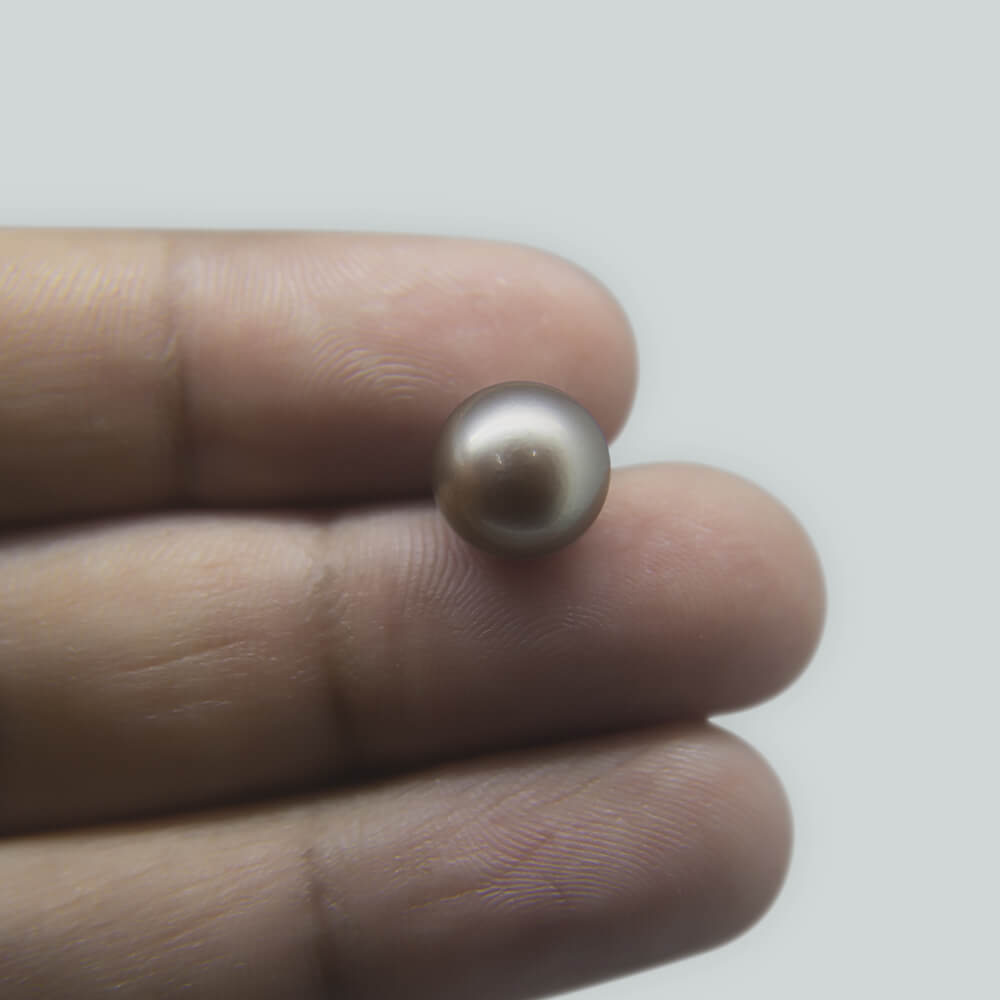
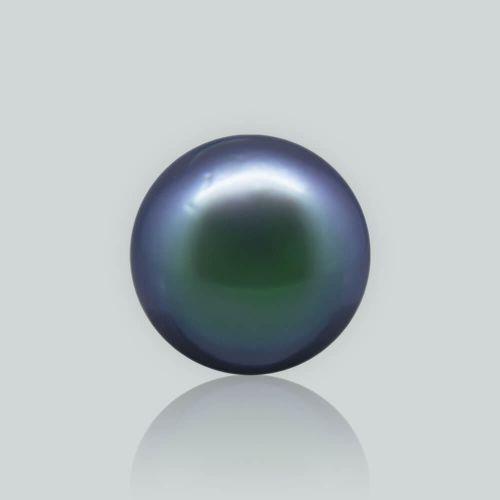
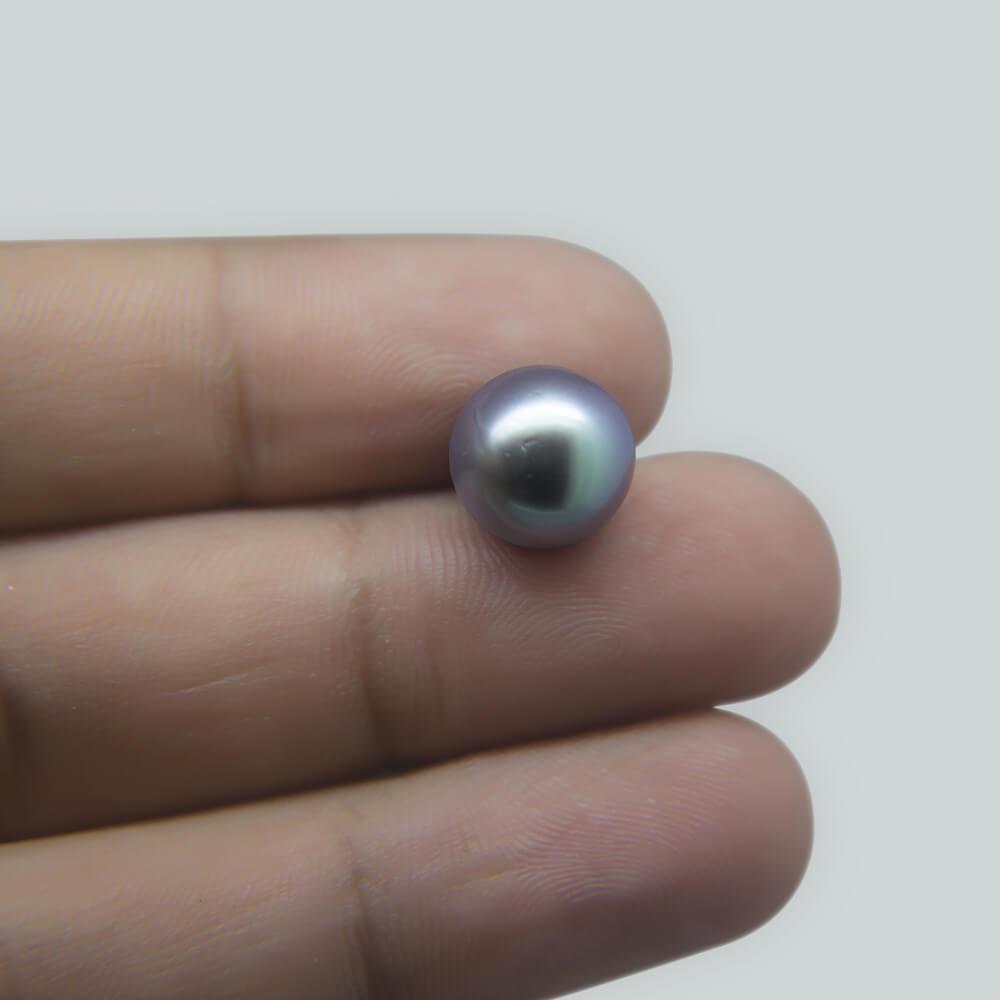
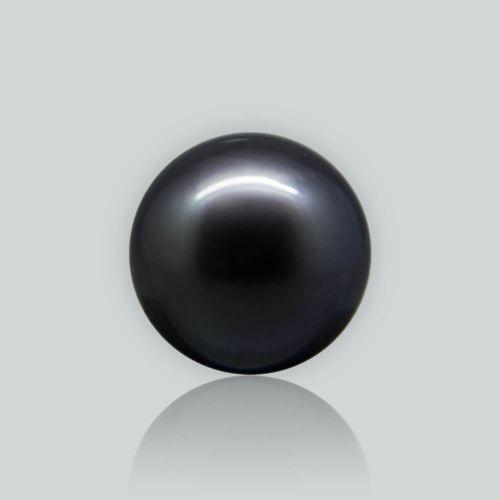
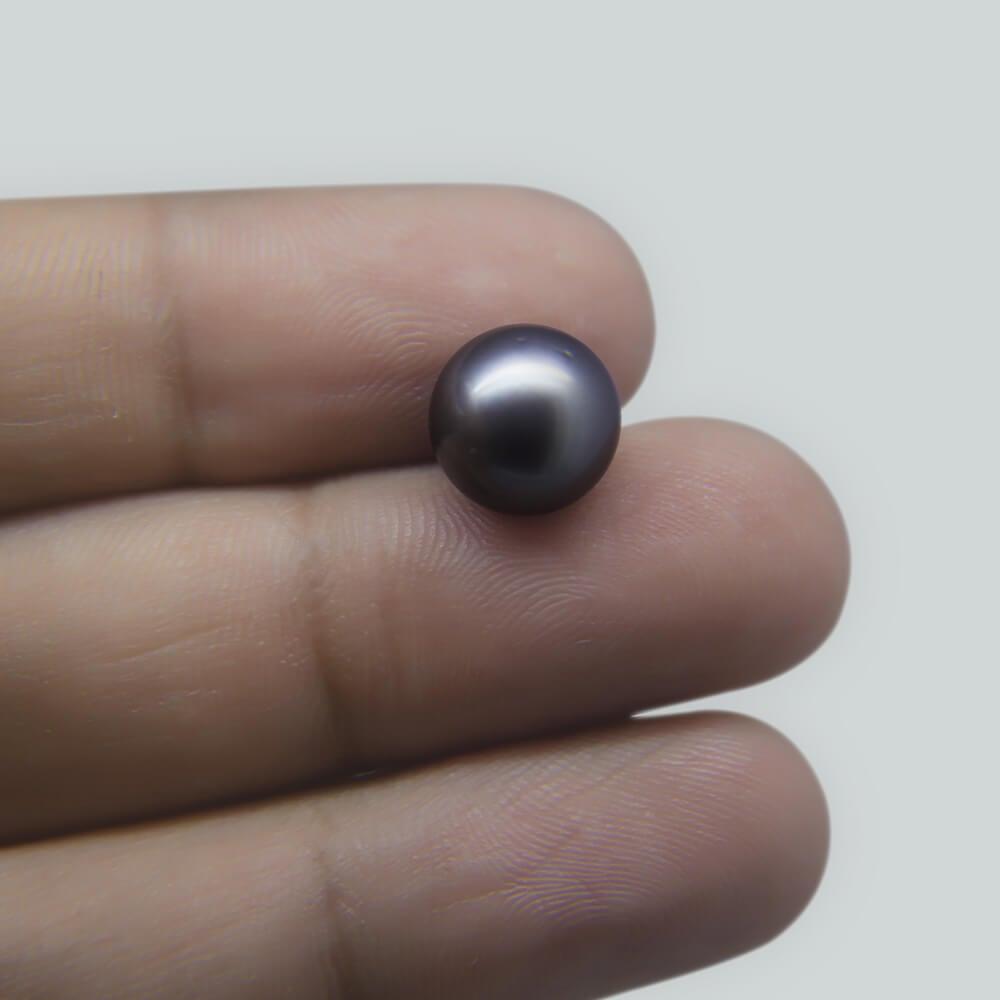
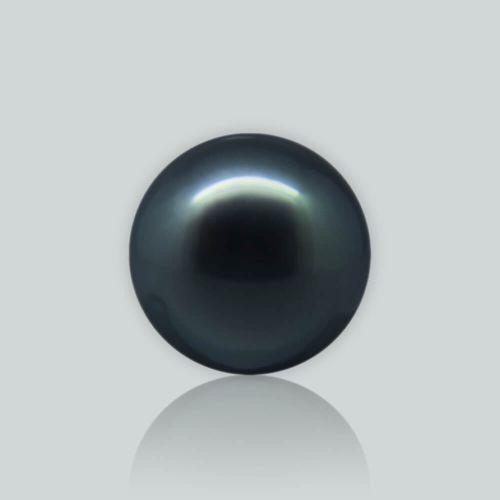
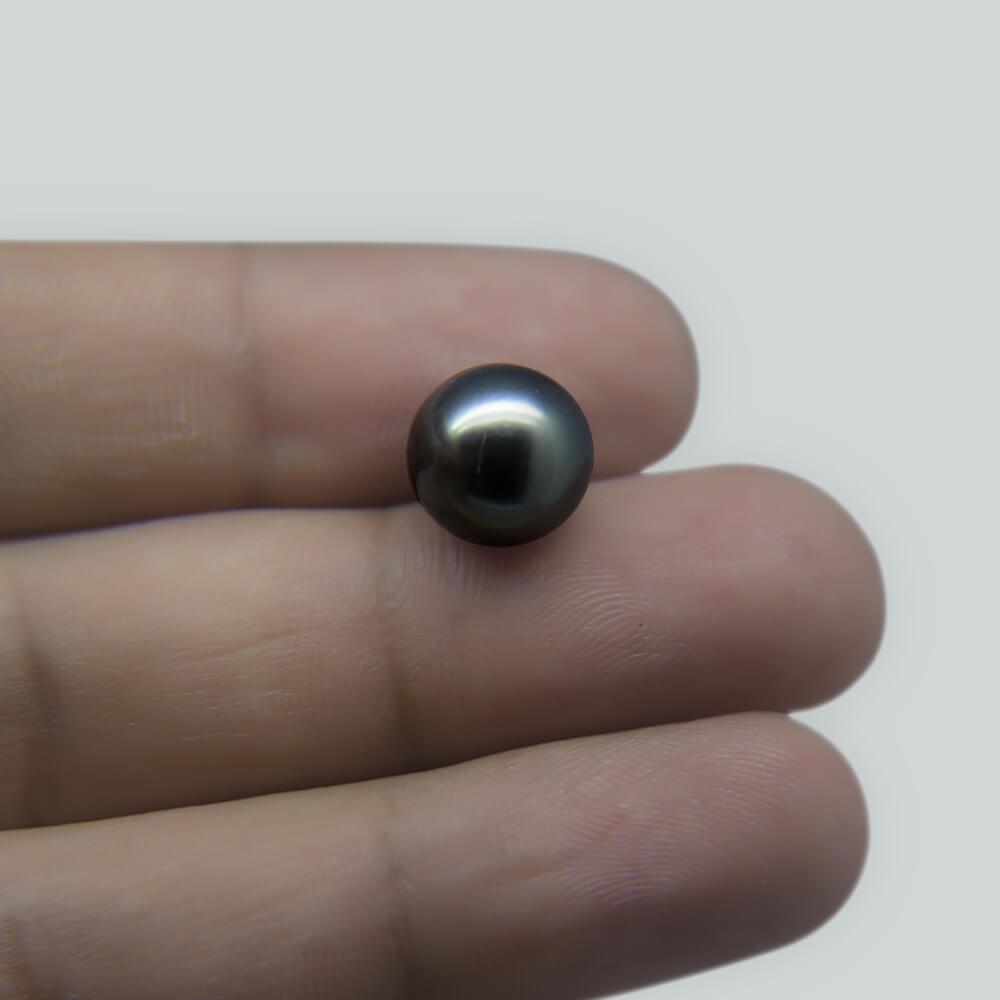
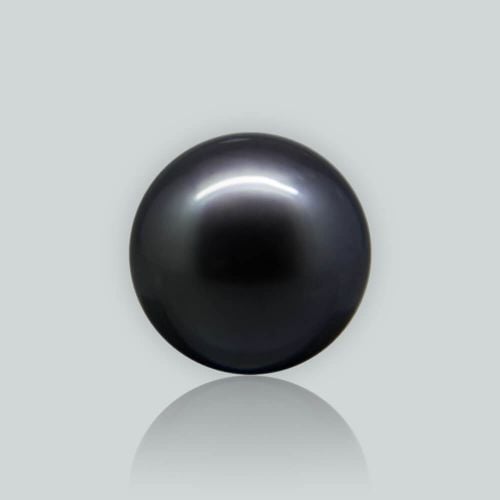
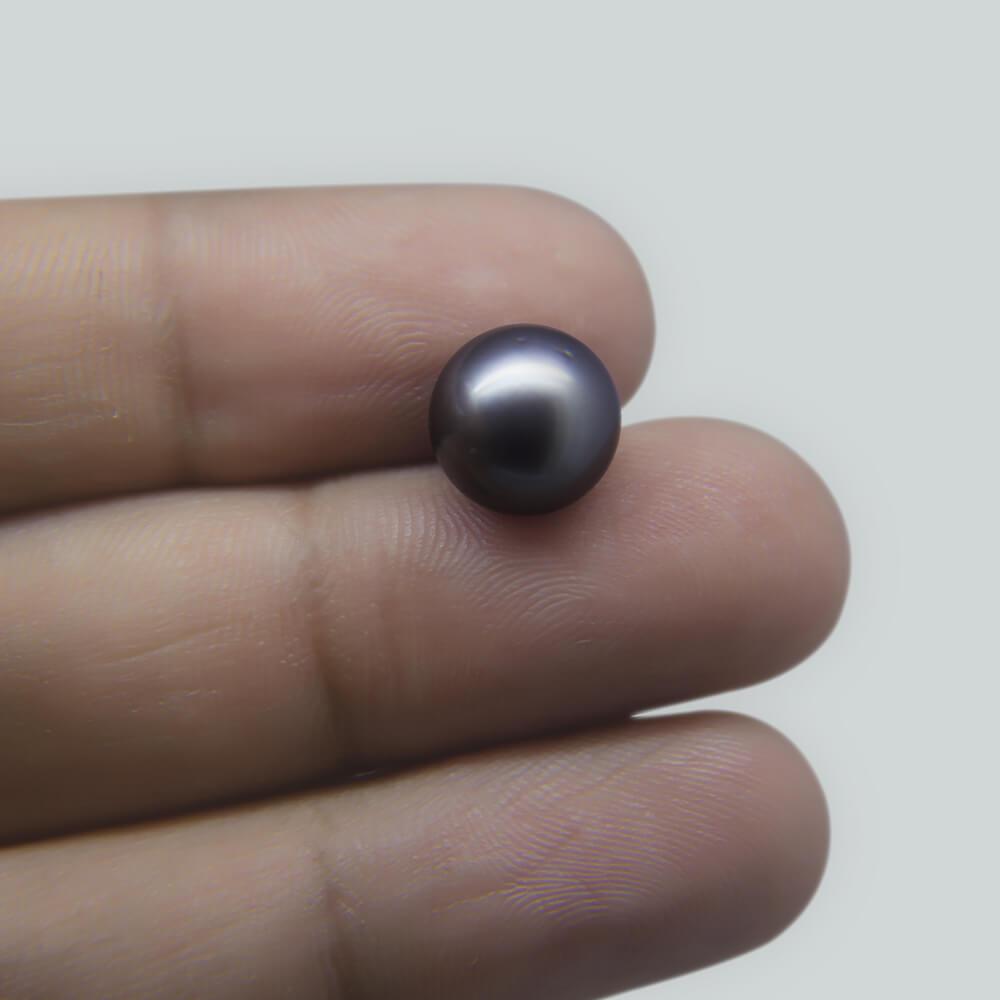
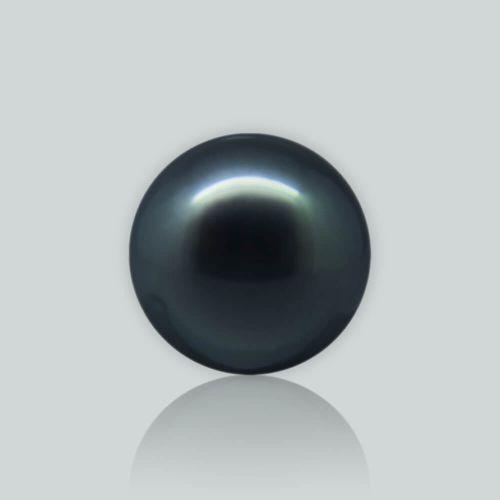
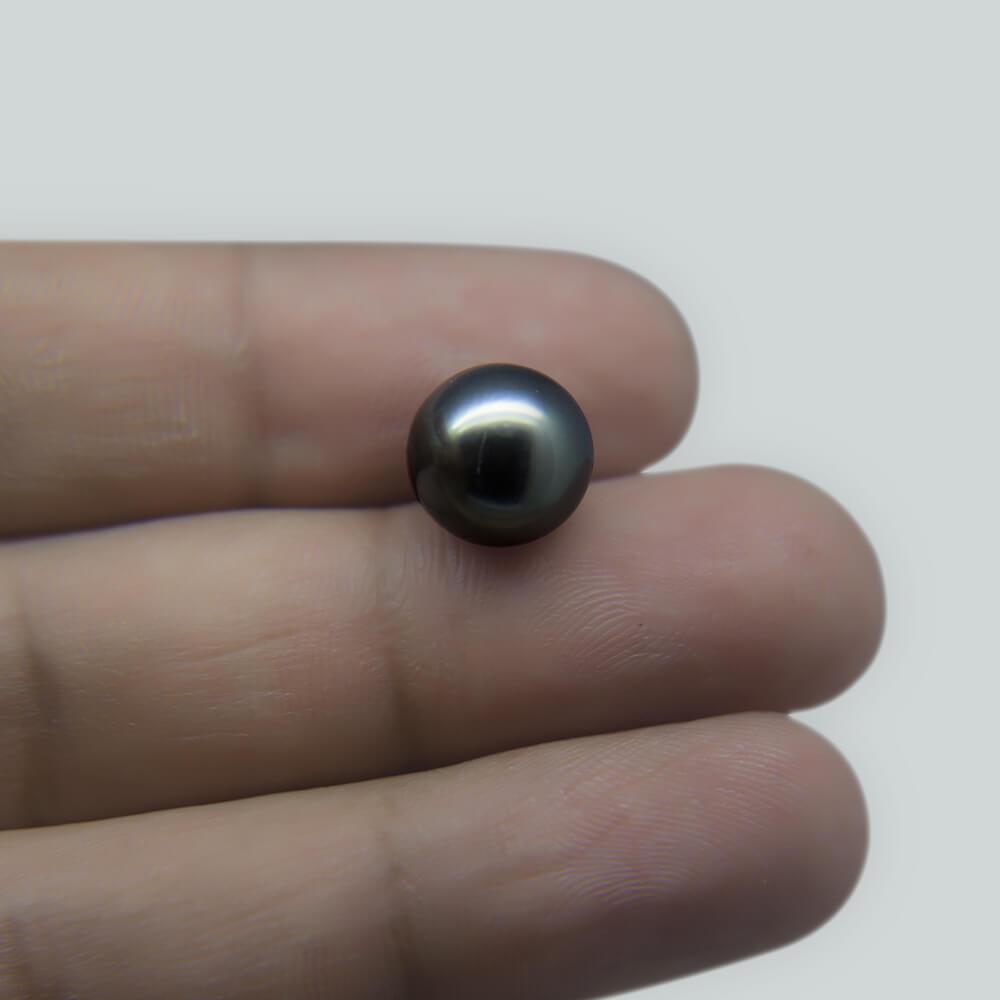
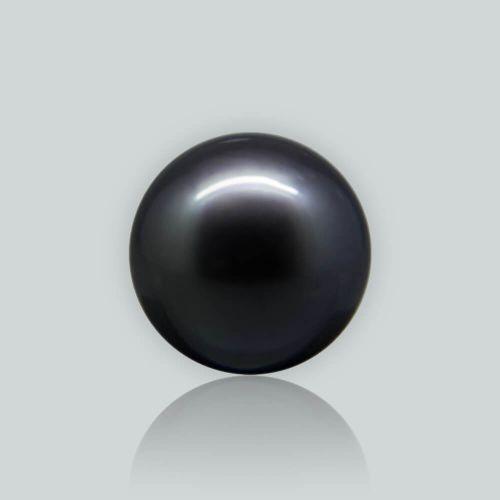
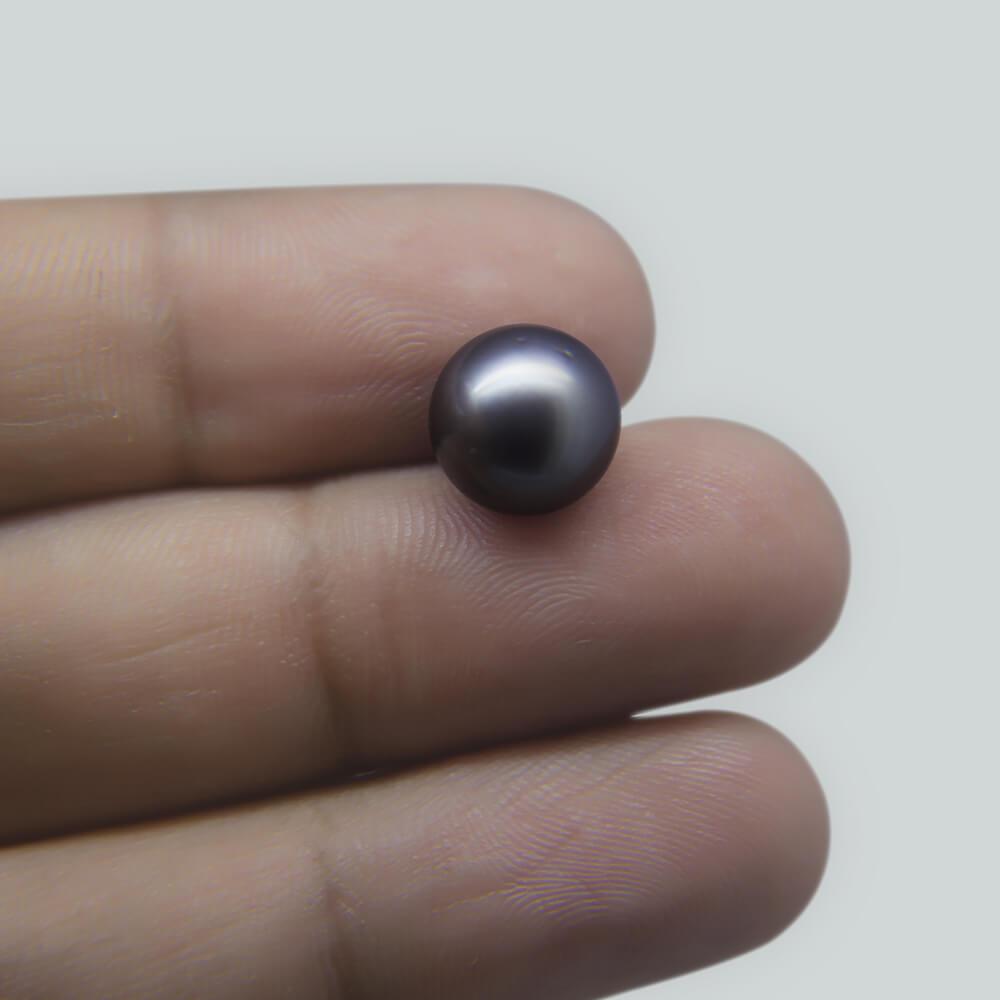
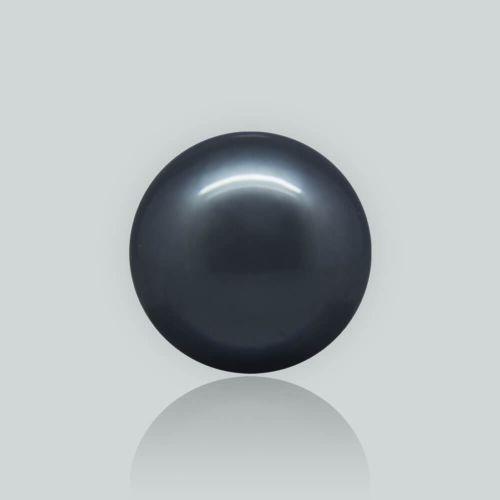
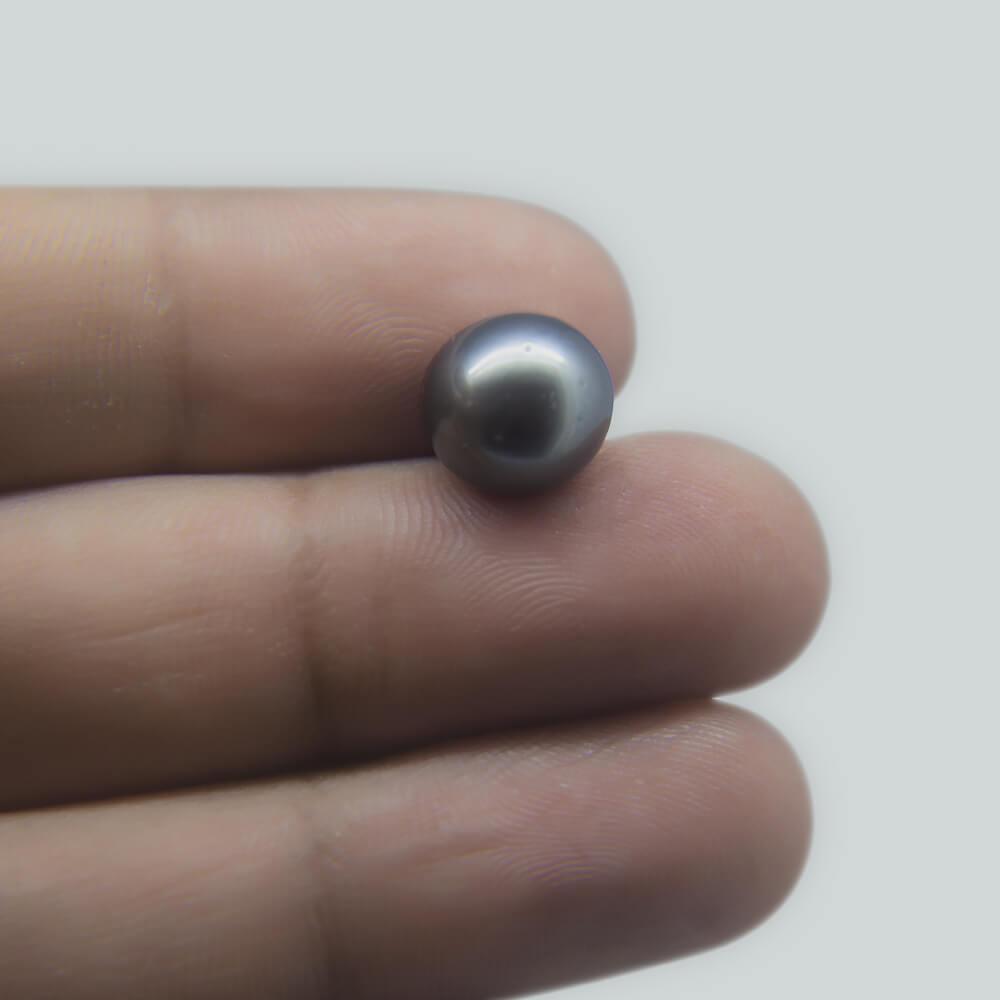
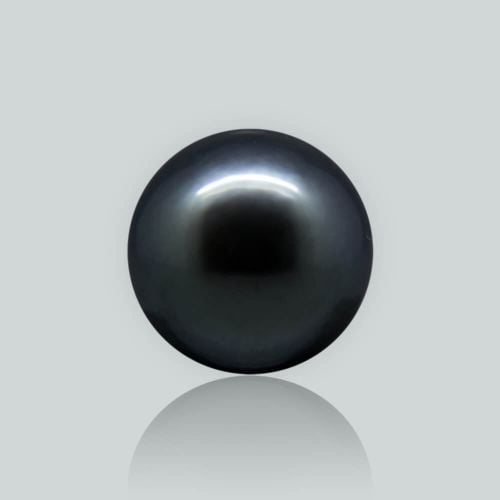
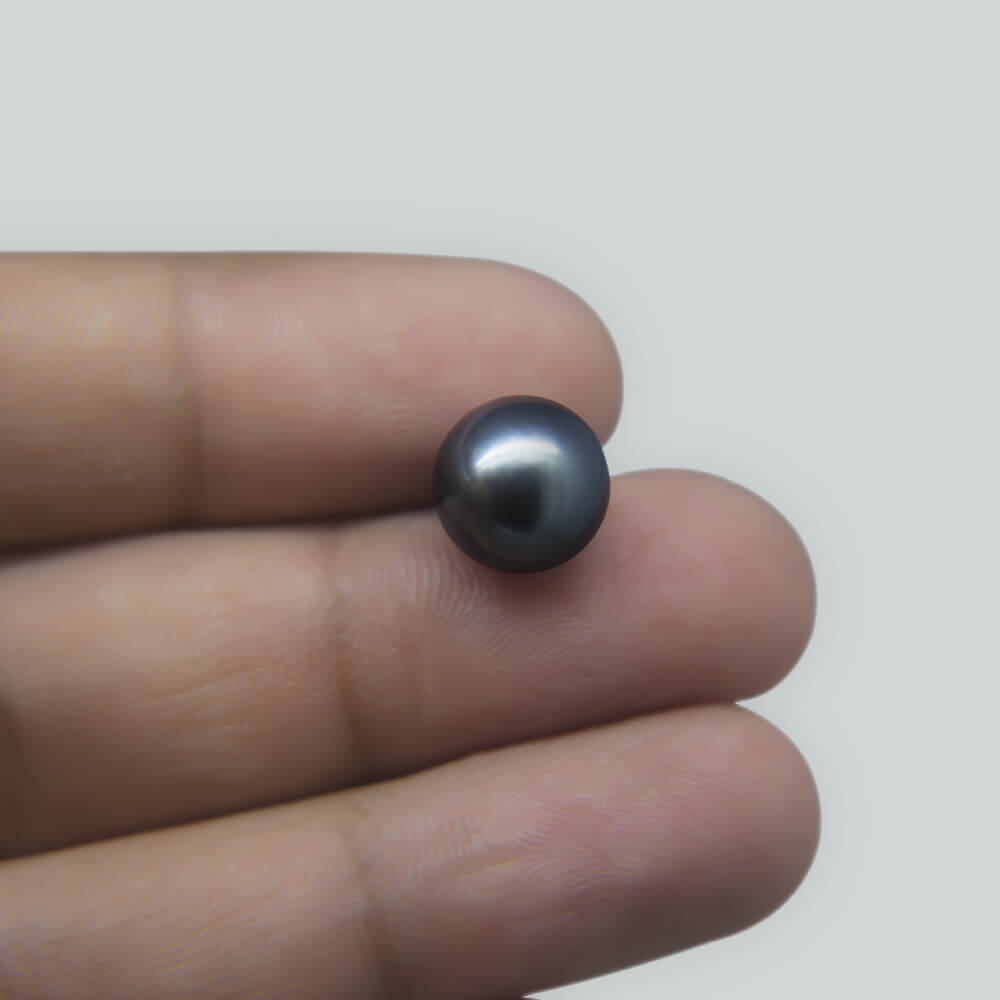
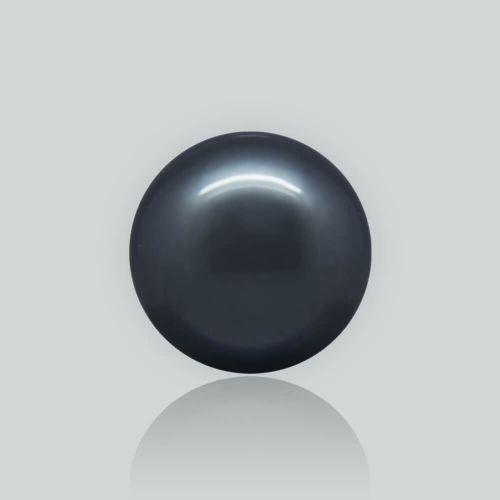
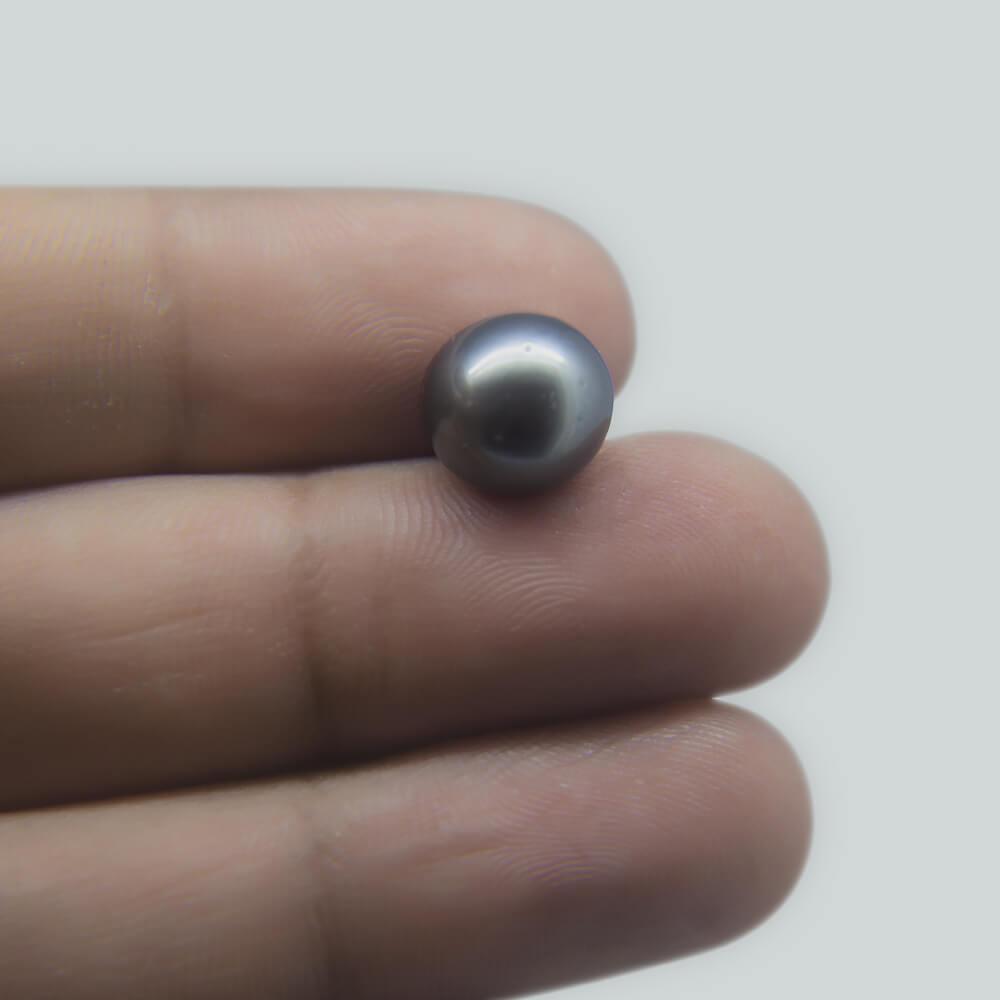
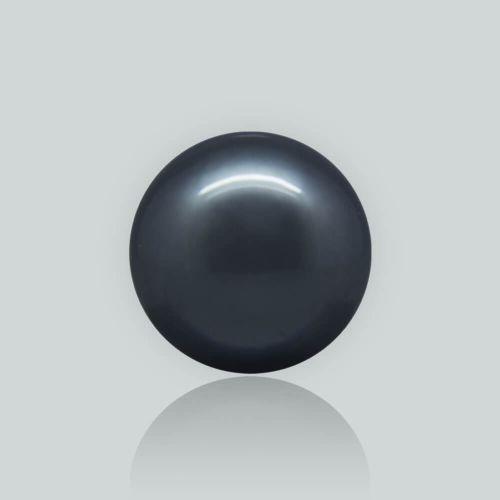
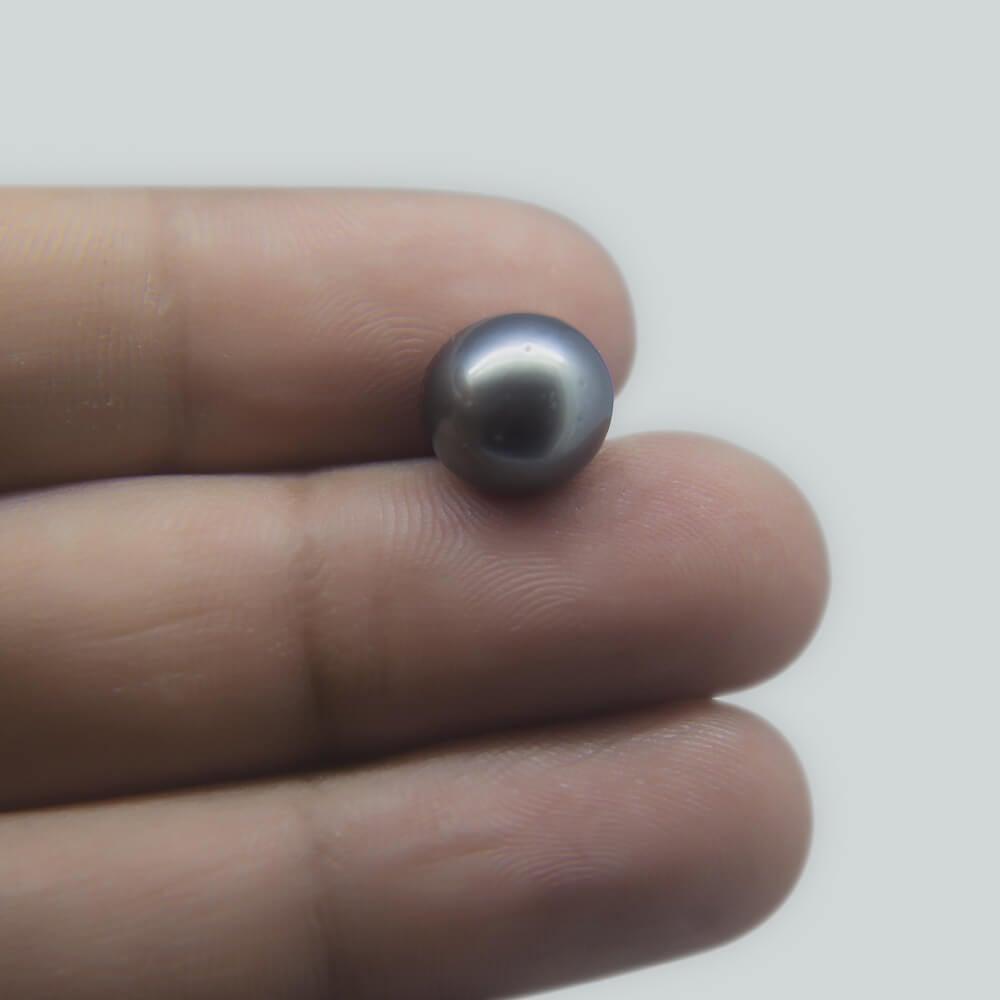
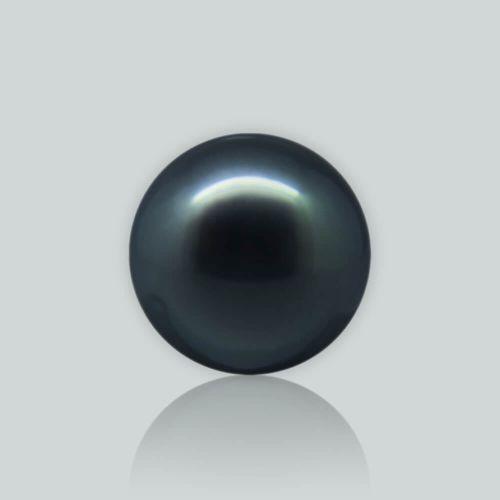
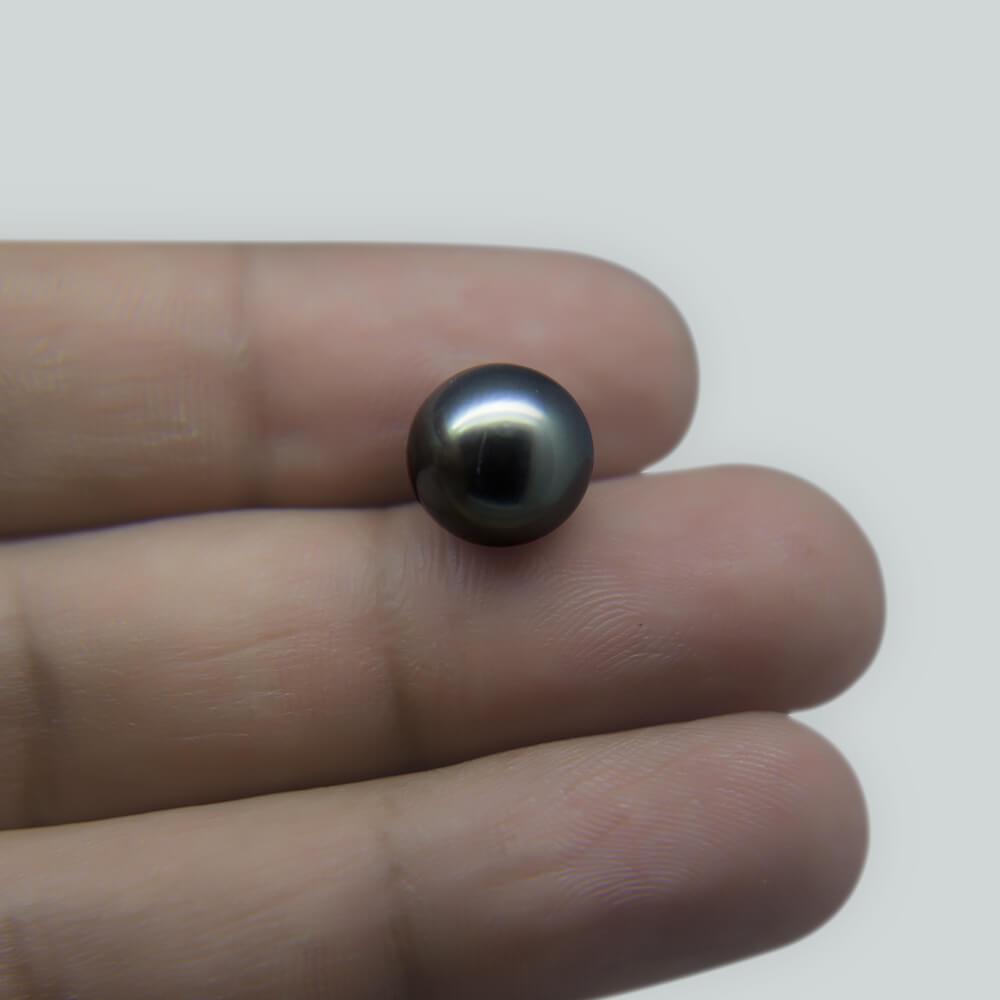
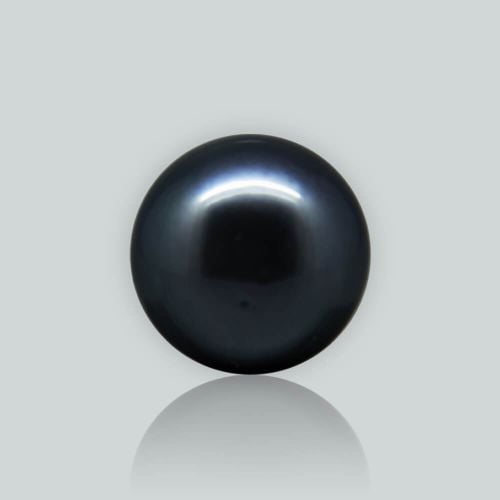
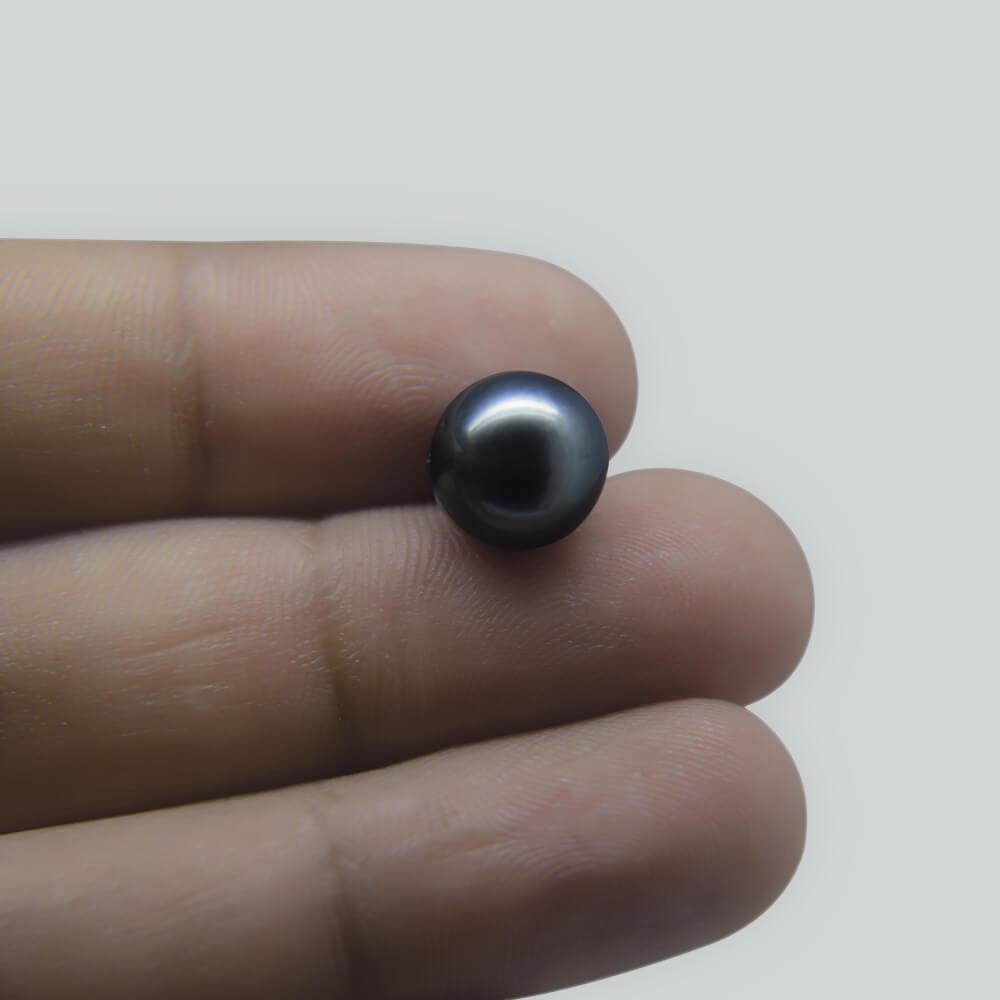
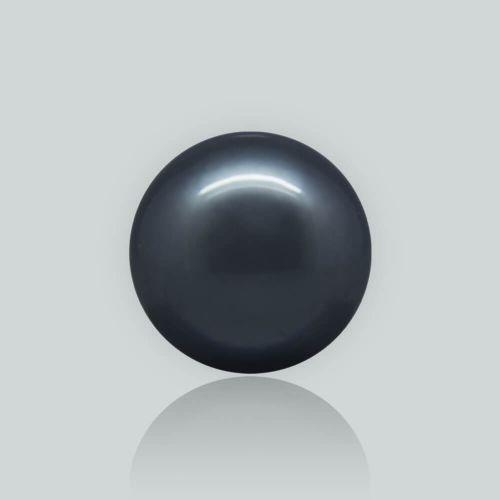
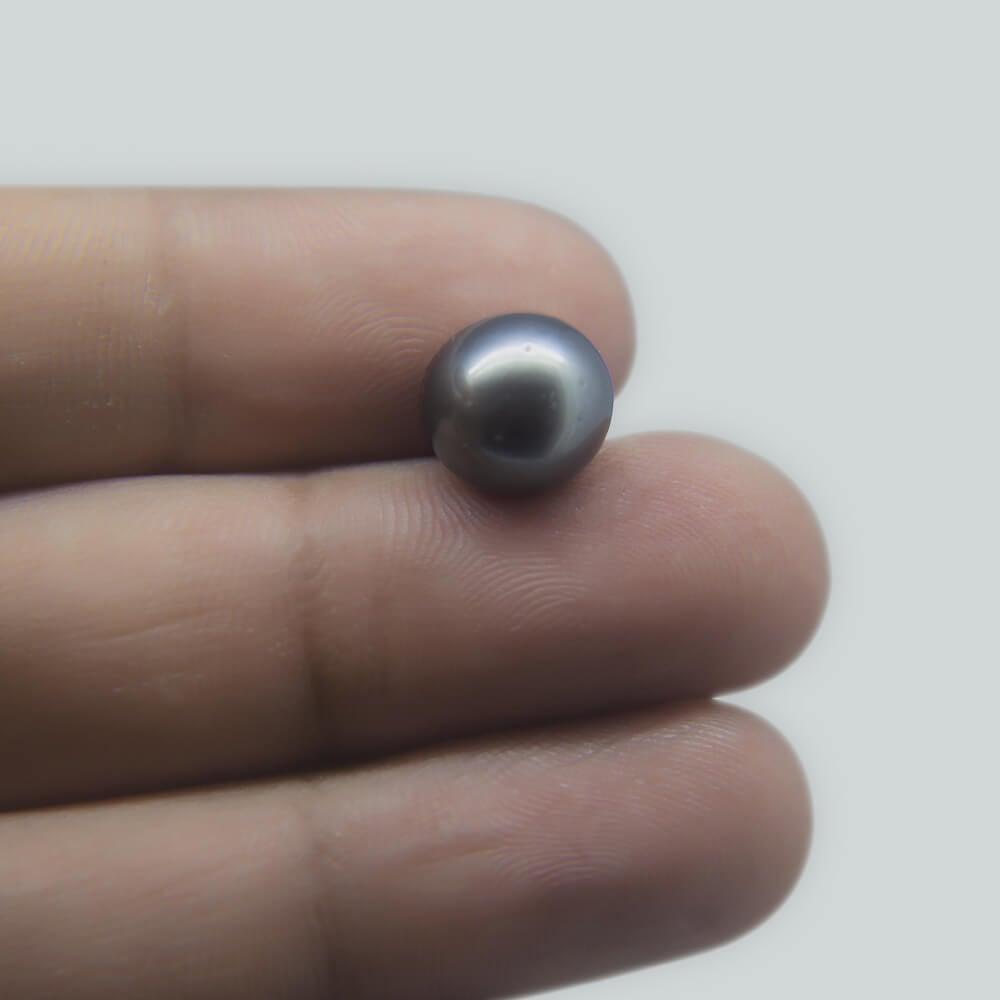
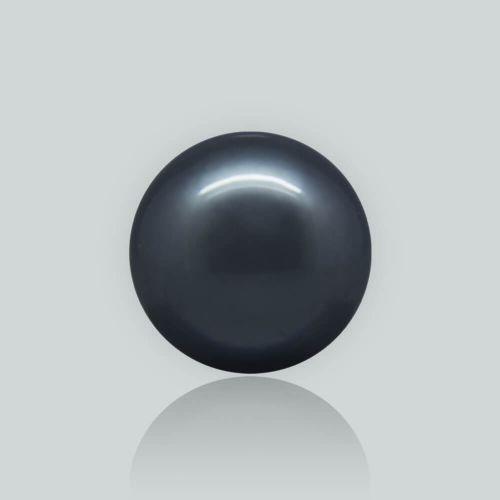
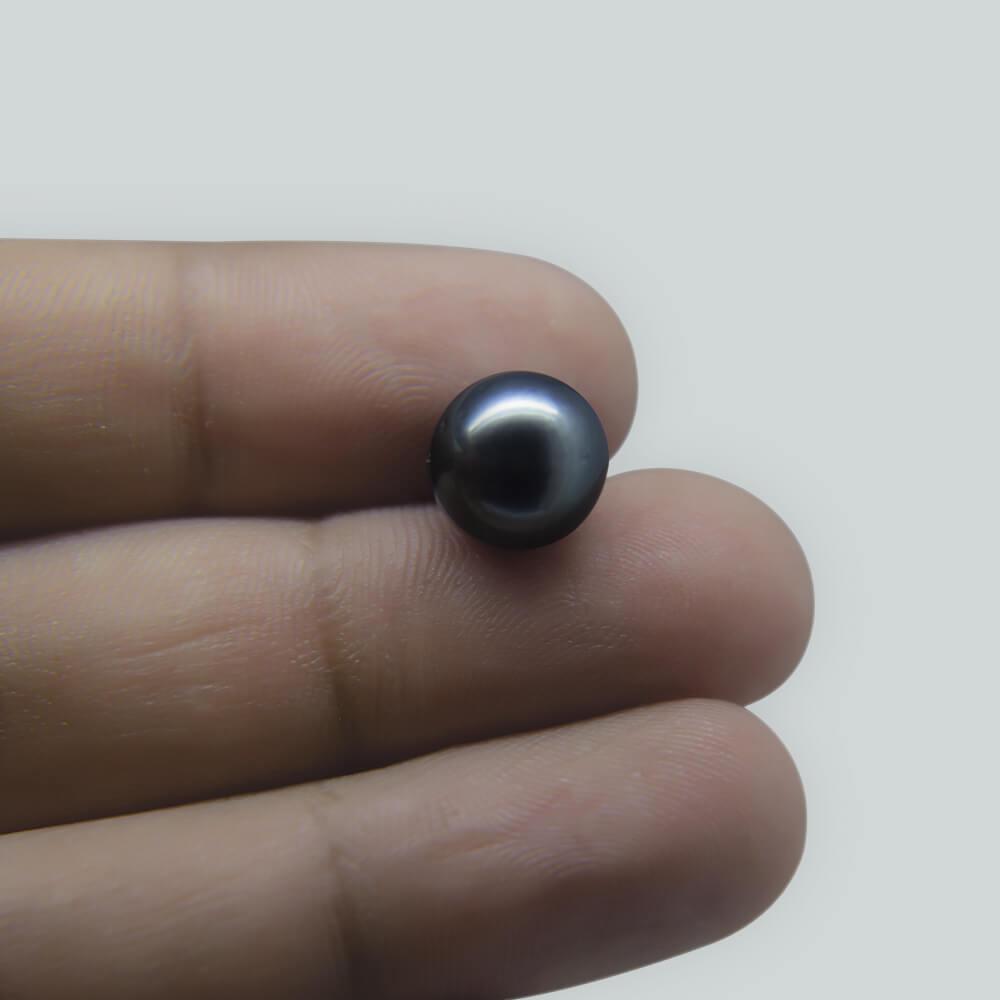
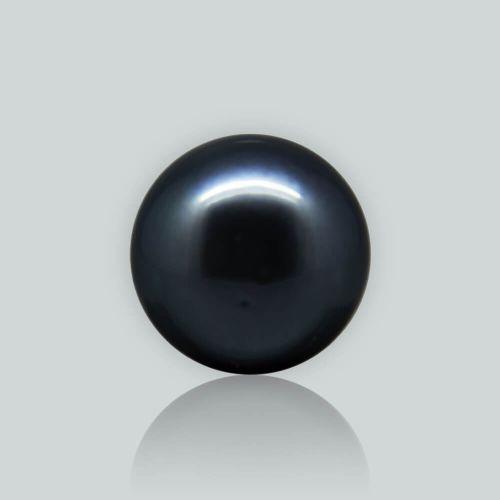
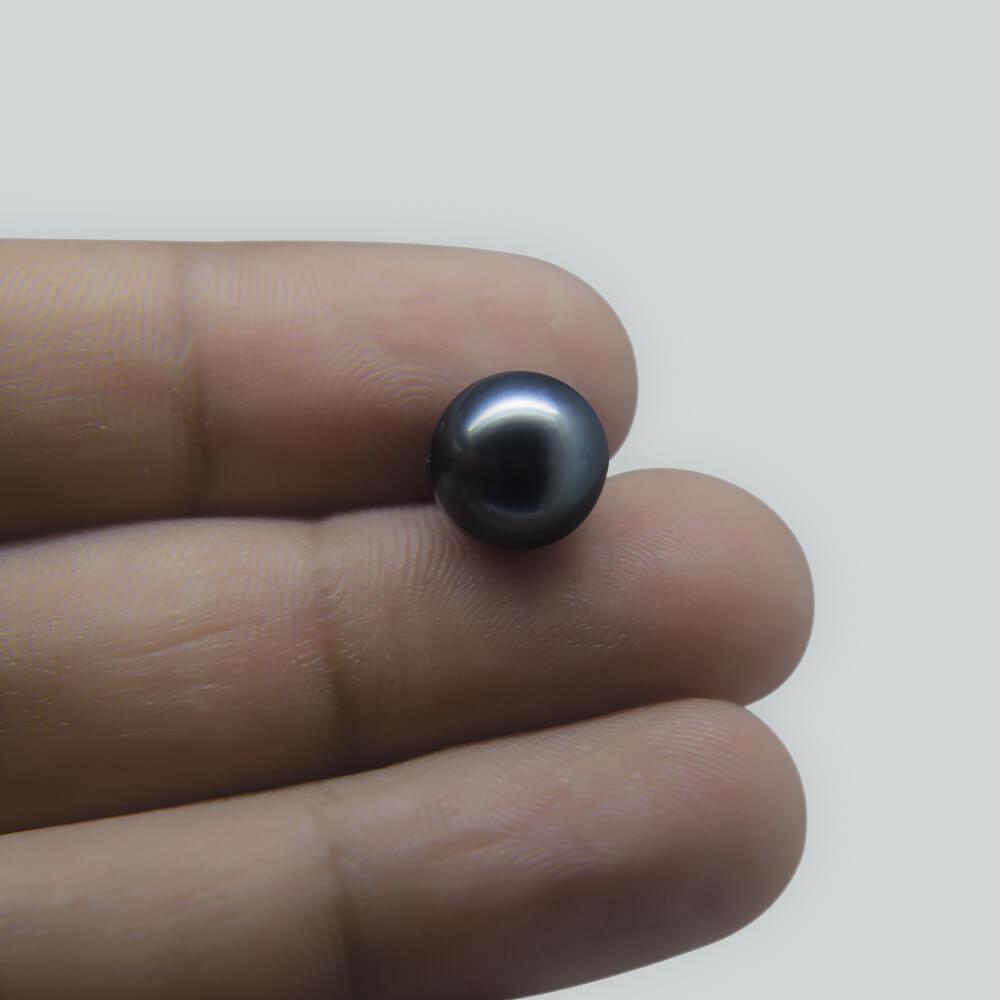
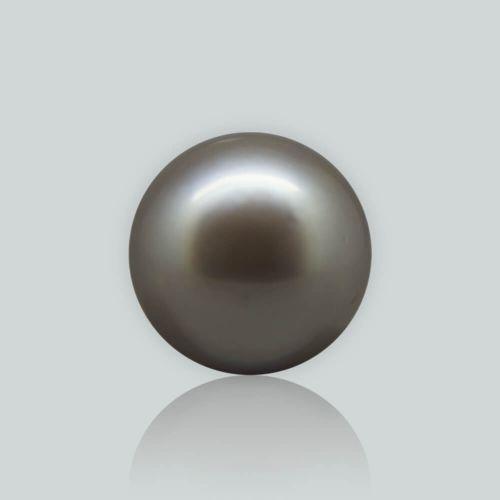
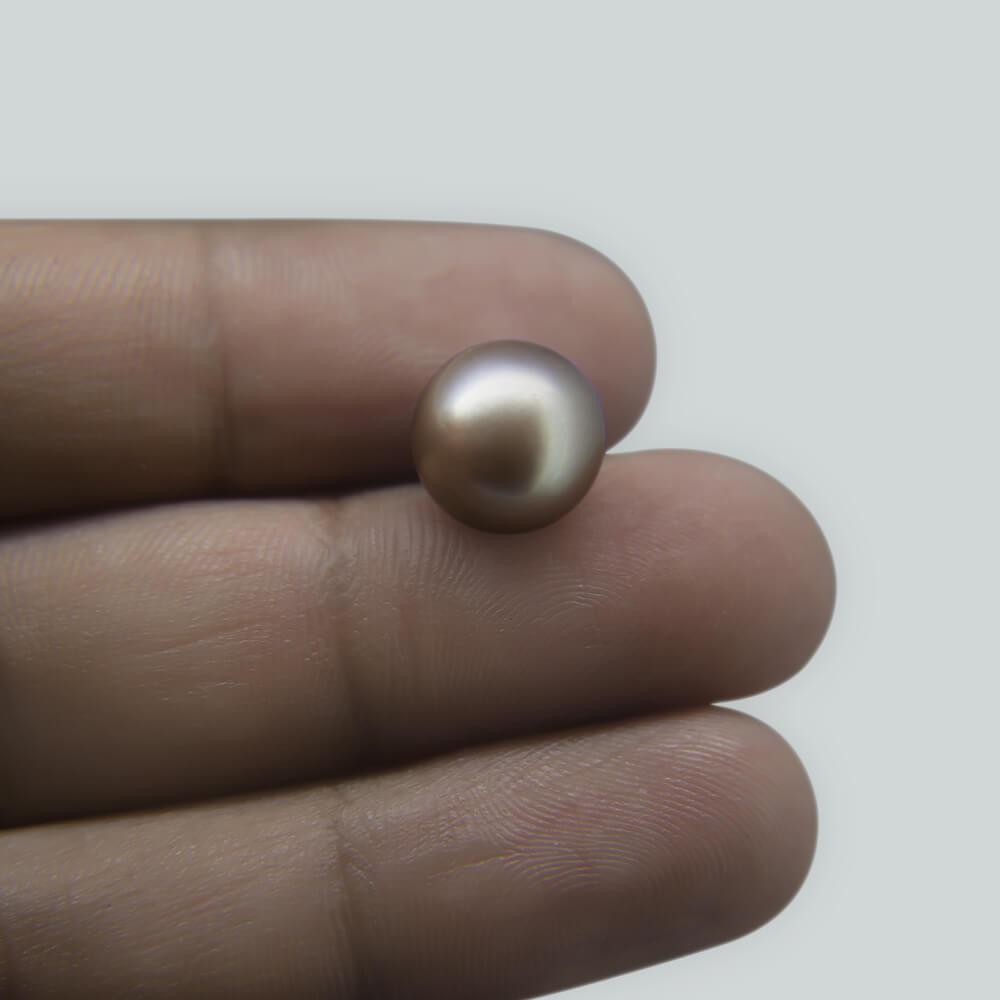
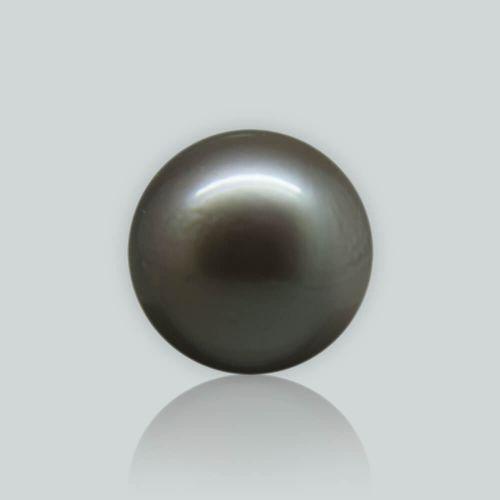
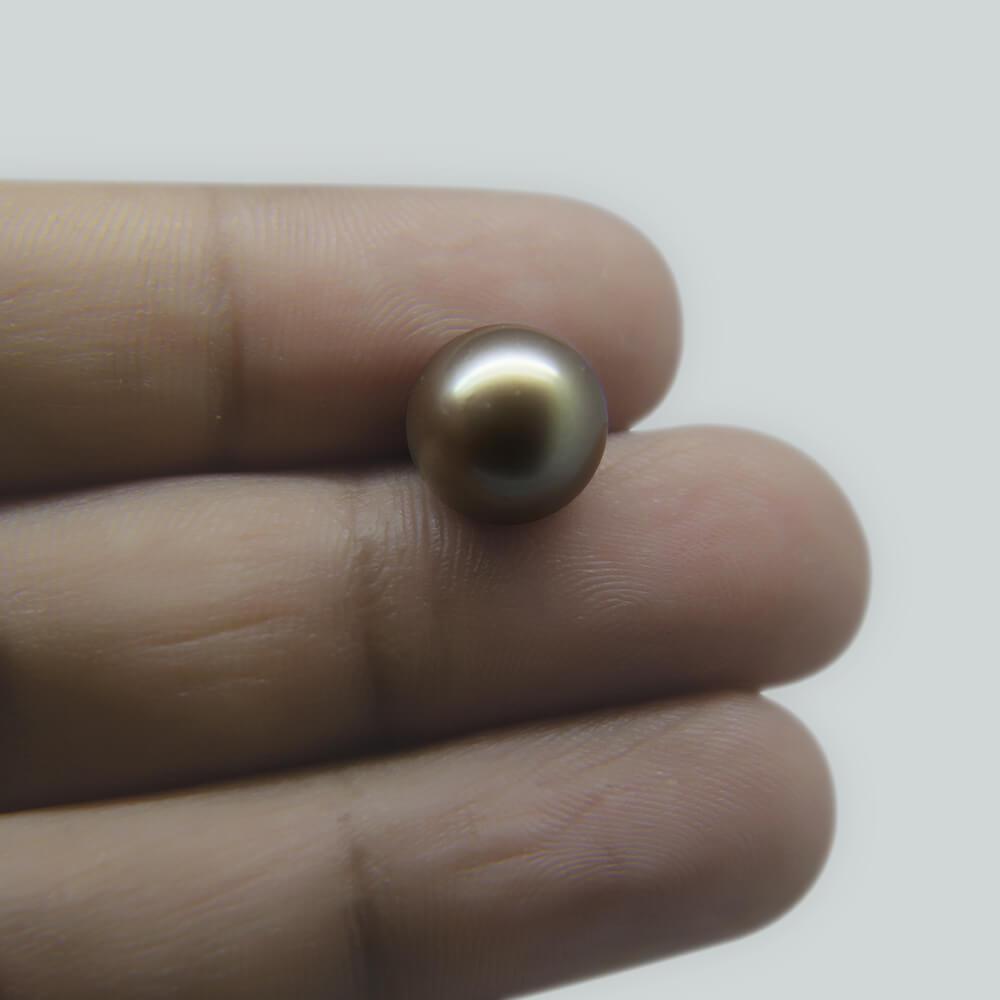
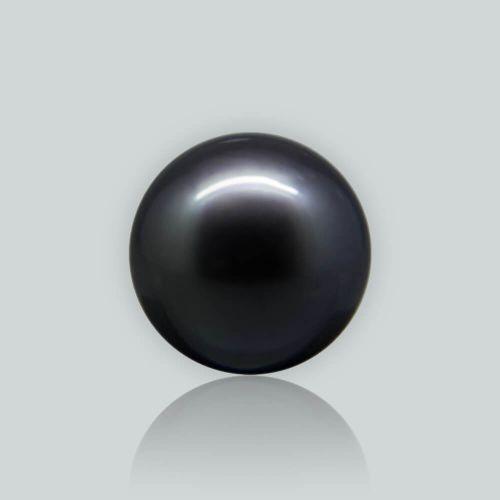
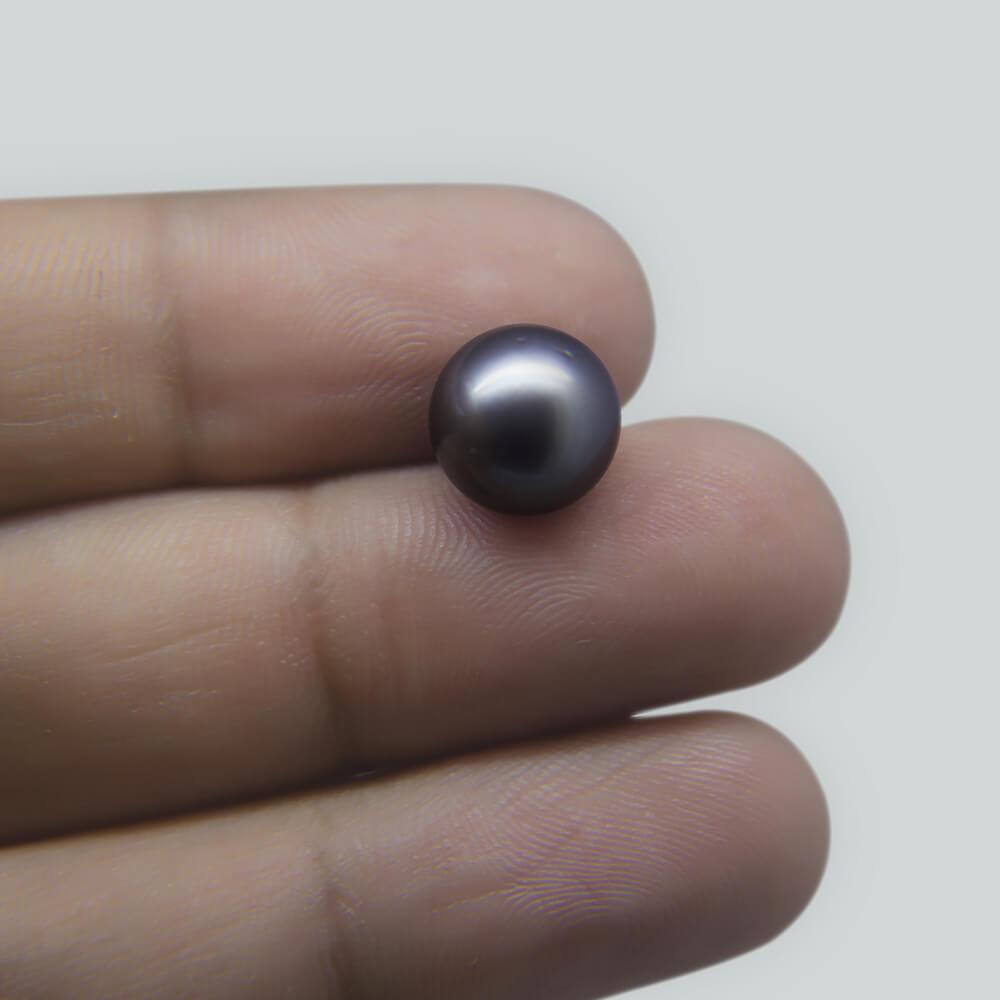

What is a Black Tahitian Pearl?
The Black Tahitian Pearl is a cultured saltwater pearl produced exclusively by the Pinctada margaritifera cumingii — the black-lipped pearl oyster — native to the atolls, lagoons, and blue waters of French Polynesia in the South Pacific Ocean. Despite their common name, Tahitian Pearls are not actually grown near or around the island of Tahiti itself. The name comes from the fact that Tahiti — the largest and most commercially active island of French Polynesia — has historically served as the central trading hub for these extraordinary pearls. The actual cultivation takes place primarily in the pristine lagoons of the Tuamotu Archipelago and the Gambier Islands — remote, extraordinarily biodiverse, and environmentally protected marine environments whose clean, nutrient-rich waters create ideal conditions for the production of the finest dark pearls in the world.
The Pinctada margaritifera is bead-nucleated — a skilled technician inserts a nucleus and a small piece of donor mantle tissue into the oyster — and the oyster then coats the nucleus with layers of its characteristic dark nacre over a cultivation period of approximately 18 months to 2 years. What makes this oyster unique among all pearl-producing oysters is the rainbow-like character of its mantle tissue — the living, colour-producing layer that secretes the nacre. The specific combination of dark melanin-like pigments and overtone-producing structures within the Pinctada margaritifera mantle creates the extraordinary range of naturally dark, iridescent colours that characterise Tahitian Pearls — and that no other oyster in the world can replicate. Pearl farming in French Polynesia is also recognised as one of the most environmentally sustainable gem production systems in the world — making Tahitian Pearls one of the few truly eco-friendly luxury gems available.
A crucial fact every buyer must know: No other oyster in the world produces naturally dark pearls. Black Akoya Pearls are dyed. Black Freshwater Pearls are always dyed or irradiated — every single one. Black South Sea Pearls do not naturally exist — any black pearl sold as South Sea Pearl is either misidentified or treated. Only the Pinctada margaritifera of French Polynesia produces pearls of naturally dark body colour. If you see any small, dark pearl sold as natural Tahitian, natural black, or naturally dark at a very low price — it is almost certainly a dyed freshwater pearl of little value and zero astrological significance.
The Natural Colour Spectrum — From Black to Peacock to Pistachio
One of the most extraordinary and most frequently misunderstood facts about Tahitian Pearls is that "black" is only one colour in their remarkable natural spectrum — and in fact, a truly black Tahitian Pearl is among the rarest and most valuable pieces available. Most Tahitian Pearls described as black are actually dark charcoal, dark grey, or dark green — and their most celebrated quality is not any single body colour but the iridescent overtone that floats over and through it, creating a play of colour unlike anything found in any other pearl variety.
Body Colours — The Primary Dark Tones
Black — The Rarest
A truly black Tahitian Pearl — deeply, purely, completely black with minimal to no visible overtone — is among the rarest objects in the pearl world and commands the highest prices. True black Tahitians are extremely rare in production and are prized by collectors for their dramatic, profound, opaque darkness. For most purposes, what is sold as a black Tahitian pearl is a very dark charcoal or dark grey rather than a true pure black.
Charcoal and Dark Grey — The Most Common Dark Body Colour
The most commonly available dark body colour of Tahitian Pearls is a rich charcoal to dark grey — a deep, complex dark tone that serves as the perfect backdrop for the extraordinary overtones these pearls display. Charcoal and dark grey Tahitian Pearls are the most widely available in the premium grade and represent the characteristic appearance most people associate with the term black Tahitian pearl.
Silver-Grey — The Lighter Dark
Some Tahitian Pearls display a lighter grey body colour — still distinctly different from white or cream, but significantly lighter than charcoal or dark grey. Silver-grey Tahitians often display particularly vivid and particularly beautiful overtones, as the lighter body colour allows overtone colours to appear more clearly and more dramatically against the background. Silver-grey with a strong peacock or blue-green overtone is particularly striking and particularly prized.
Overtones — The Soul of the Tahitian Pearl
The overtone is the iridescent secondary colour that appears to float over and within the body colour of a Tahitian Pearl — shifting and changing as the pearl moves in light, creating a play of colour that is unique to each individual pearl. It is the overtone that gives each Tahitian Pearl its individual character, and it is the combination of body colour and overtone that determines both the pearl's aesthetic impact and a significant portion of its commercial value.
Peacock — The Rarest and Most Prized
Peacock is the most celebrated, most sought-after, and most commercially valuable of all Tahitian Pearl overtones. It is a complex, multi-layered iridescence that combines rich green with purple and pink — creating a play of colour reminiscent of the shimmering tail feathers of a peacock, floating over a dark body colour in constantly shifting patterns of extraordinary beauty. True peacock overtone is rare even among Tahitian Pearls — it appears in only a small percentage of any harvest and commands significant price premiums. A dark charcoal Tahitian with strong peacock overtone is considered by many the finest and most beautiful Tahitian Pearl available.
Aubergine — Purple-Green Depth
Aubergine is actually considered the most commonly occurring overtone in Tahitian Pearls — a deep, warm purple-green iridescence that gives the pearl a rich, almost wine-like depth of colour. Aubergine Tahitians have a warm, mysterious, immediately distinctive quality that has made them highly popular in both astrological and jewellery contexts. The combination of dark body colour and deep aubergine overtone creates a gem of extraordinary visual presence.
Cherry — Warm Red-Pink Iridescence
Cherry overtone brings a warm, pink-red iridescence to the dark body colour of the Tahitian Pearl — creating a surprising warmth and femininity within the pearl's darker overall character. Cherry overtone Tahitians are particularly appealing to those who find the peacock and aubergine tones too cool or too neutral, and are prized for the unexpected warmth they bring to a pearl of dark body colour.
Blue-Green — Cool Ocean Depth
Blue-green overtone gives the Tahitian Pearl a cool, oceanic, deeply lustrous quality — the play of blue and green light across the dark surface creating an effect of extraordinary depth and mystery, like looking into deep, clear tropical water. Blue-green Tahitians are particularly prized for their clarity and luminosity.
Pistachio — Yellow-Green Iridescence
Pistachio overtone is one of the rarer and more unusual of the Tahitian Pearl's natural colour expressions — a warm, yellow-green iridescence that creates an almost golden-green play of colour over the dark body. Pistachio Tahitians are particularly distinctive and are prized by collectors who appreciate the unexpected and the unusual within the Tahitian Pearl's already extraordinary colour range.
The colour combination considered the finest available in the Tahitian Pearl world: a dark charcoal to black body colour with a strong, clearly defined peacock overtone — the most prized, the most sought-after, and the most distinctive combination this remarkable pearl produces.
Black Tahitian Pearl Properties
| Property | Details |
|---|---|
| Oyster Species | Pinctada margaritifera cumingii — black-lipped oyster — French Polynesia ONLY |
| Also Known As | Kaala Moti, Black Pearl, Black South Sea Pearl, Tahiti Pearl, Poérava |
| Formation | Cultured saltwater — bead-nucleated — grown in open lagoons of French Polynesia |
| Cultivation Period | 18 months to 2 years — in pristine French Polynesian lagoon environments |
| Nacre Thickness | 0.8 to 3mm — thicker nacre produces deeper, more saturated colour and lustre |
| Body Colour Range | Black (rarest), Charcoal, Dark Grey, Silver-Grey — all naturally occurring |
| Overtone Range | Peacock (rarest), Aubergine (most common), Cherry, Blue-Green, Pistachio, Silver |
| Colour Origin | Natural — melanin-like pigments in black-lipped mantle tissue — no treatment needed |
| Size Range | 8mm to 18mm — most commonly 9mm to 11mm |
| Shape Varieties | Round (less than 20% of production), Near-Round, Drop, Button, Baroque, Semi-Baroque |
| Lustre Quality | Satin to mirror-like — finest pieces display sharply reflective metallic lustre |
| Colour Treatment | None — Shubh Gems stocks naturally coloured Tahitian Pearls ONLY |
| Origin | French Polynesia ONLY — primarily Tuamotu Archipelago and Gambier Islands |
| Environmental Status | World's only "green gem" — pearl farming certified as fully sustainable practice |
| Primary Symbolism | Protection, stability, security, grounding, inner strength |
| Chakra Connection | Root Chakra (Muladhara) — grounding, stability, security, foundational energy |
| Astrological Status | Occasionally recommended — requires qualified astrologer consultation always |
| Metal Setting | Silver or Gold — as advised by astrologer |
| Price per Carat | ₹ 500 to ₹ 4,000 — varies by colour depth, overtone, shape, nacre quality |
Why Shubh Gems for Tahitian Pearls? At Shubh Gems, we stock Tahitian Pearls across the full natural colour range — from the deepest black through charcoal, silver-grey, and all overtone varieties including peacock, aubergine, cherry, blue-green, and pistachio. Natural colour only — always certified.
Who Should Wear Black Tahitian Pearl?
- Those undergoing Saturn Mahadasha or Sade Sati — Saturn's 7.5-year transit across the Moon sign — particularly those whose Moon is in a sensitive position and experiencing emotional instability, depression, or groundlessness during this challenging period
- Those undergoing Rahu Mahadasha — particularly those experiencing anxiety, confusion, or the destabilising quality of Rahu's influence on an emotionally sensitive Moon
- Those whose Moon is afflicted by Saturn or Rahu in the birth chart — and who experience chronic emotional instability, groundlessness, or difficulty maintaining inner security
- Those specifically seeking the Black Pearl's qualities of protection, grounding, stability, and inner security — particularly in times of significant life upheaval or transition
- Those for whom a qualified astrologer has specifically determined that the darker, more grounding quality of Black Pearl is more appropriate than white pearl's lighter lunar energy
Black Tahitian Pearl in Vedic Astrology
In Vedic astrological tradition, the pearl — Moti or Mukta — is primarily the gemstone of the Moon (Chandra), most powerfully expressed in its white and silver-white forms. The Black Tahitian Pearl occupies a more nuanced and more carefully considered position in Vedic gemstone therapy — one that requires honest and careful presentation.
The prescription of Black Pearl for Saturn or Rahu-related challenges is not universal among Vedic astrologers — it is the recommendation of some practitioners rather than a firmly established classical prescription. Some astrologers prefer other remedies for Saturn and Rahu afflictions. Black Pearl should only be worn when specifically recommended by a qualified astrologer based on the individual's complete birth chart — never self-prescribed based on general descriptions of Saturn or Rahu challenges.
Not a Standard Astrological Recommendation
It is important to state clearly at the outset: Black Tahitian Pearl is not a standard Vedic astrological gemstone recommendation in the way that white pearl, ruby, emerald, or yellow sapphire are. White pearl's Moon association is ancient, unambiguous, and deeply embedded in Vedic texts. The Black Tahitian Pearl's astrological position is more complex — its dark colour creates a different energetic resonance from white pearl, and its recommendation requires considerably more careful astrological assessment. Shubh Gems does not promote Black Pearl for general astrological use — it is recommended only when a qualified Vedic astrologer specifically prescribes it based on individual birth chart analysis.
The Moon Connection — Through Its Pearl Nature
As a pearl — an organic saltwater gem — the Black Tahitian Pearl shares the fundamental Chandra (Moon) connection of all quality saltwater pearls. It is formed by a living oyster in the saltwater ocean, composed of genuine nacre, and carries the basic lunar energy inherent in all pearl gemstones. Some Vedic practitioners consider the Black Pearl to carry Moon energy in a more grounded, more protective, and more stabilising form — the Moon's energy expressed through the filter of a darker, denser, more Earth-connected quality than the purely luminous white pearl.
Saturn and Rahu — The Specific Astrological Context
The most specific and most consistently noted astrological context for Black Pearl recommendation is in relation to Saturn (Shani) and Rahu — the two most challenging and most transformative planetary influences in Vedic astrology. Saturn rules discipline, karma, structure, limitation, and the lessons that come through difficulty and perseverance. Rahu rules desire, illusion, materialism, and the sudden, destabilising changes that uproot certainty. When the Moon is afflicted by Saturn or Rahu in the birth chart — or when a person is undergoing Saturn's Mahadasha, Sade Sati (Saturn's 7.5-year transit), or Rahu Mahadasha — some Vedic astrologers recommend Black Pearl as a support. Its grounding, protective, stabilising energy is seen as complementary to the Moon's emotional needs during these challenging periods.
Critical advisory: Always consult a qualified Vedic astrologer before wearing Black Tahitian Pearl for astrological purposes. This is more important for Black Pearl than for any other pearl variety. Shubh Gems does not recommend Black Pearl for general Moon strengthening — for this purpose, white South Sea Pearl or Keshi Pearl is the appropriate choice. Black Pearl's specific astrological application requires professional assessment. Shubh Gems offers complimentary Kundali consultation. Call or WhatsApp: +91-8010-555-111.
How to Wear Black Tahitian Pearl?
Astrological Procedure to Wear Black Tahitian Pearl
Consult Your Astrologer First — This is Essential
Black Tahitian Pearl requires qualified astrologer consultation before wearing for astrological purposes — more so than any other pearl variety. Its specific applications in relation to Saturn and Rahu energies, its dark body colour, and its Root Chakra connection mean that its suitability is highly individual — and wearing it without astrological guidance may produce inappropriate results. Shubh Gems offers complimentary Kundali consultation for all pearl purchases. Contact us at +91-8010-555-111.
Mantra and Energisation — Astrologer Guidance Required
The Black Tahitian Pearl's astrological planetary association is more nuanced than that of white pearl — and the specific mantra most appropriate for energisation depends entirely on whether the astrologer is using it primarily as a Moon gemstone, a Saturn-related remedy, or a Rahu-related support. Shubh Gems will energise your Black Tahitian Pearl before dispatch — for the specific mantra most appropriate for your individual purpose and birth chart, please consult your astrologer directly. Never self-prescribe a planetary mantra for Black Pearl without professional guidance.
Carat Weight and Duration
4 to 9 carats or as specifically recommended by the astrologer — with the standard guideline of approximately 1 carat per 10 to 12 kilograms of body weight. Duration of approximately 2 years of active wear before replacement. Always follow the specific recommendation of your astrologer for both weight and duration.
Metal — As Advised by Astrologer
Both silver and gold may be recommended for Black Tahitian Pearl depending on the specific astrological context and the individual's birth chart. Silver — the Moon's metal — emphasises the pearl's lunar protective energy. Gold may be recommended in certain specific chart combinations. Always follow the specific recommendation of your consulting astrologer.
Care of Black Tahitian Pearl
- Tahitian Pearls require the same careful handling as all organic pearl gemstones — Mohs 2.5 to 4.5. Handle gently. Store separately from all harder gemstones and jewellery that could scratch the nacre surface.
- Remove before bathing, swimming, exercising, and all household work. Avoid all contact with perfumes, hairsprays, cosmetics, chlorine, and acids — these damage nacre permanently.
- The natural dark colour of a genuine Tahitian Pearl is inherent to its nacre structure and will not fade or change with normal, careful wear and storage. If the colour of a black pearl fades or becomes patchy with wear — it was dyed, not naturally coloured.
- Clean gently with a very soft, slightly damp cloth after each wear to remove accumulated skin oils and perspiration. Never use any chemical cleaner, ultrasonic cleaner, or steam cleaner.
- Store in a soft silk or velvet pouch away from harder stones and away from direct sunlight. Never store in an airtight container — pearls need a small amount of ambient moisture to maintain the health and lustre of their nacre over time.
Why Shubh Gems for Black Tahitian Pearls? All Black Tahitian Pearls at Shubh Gems are certified natural-colour saltwater cultured pearls from French Polynesia — individually verified for natural colour, quality, and origin. Backed by our Lifetime Guarantee of Authenticity.
Benefits of Black Tahitian Pearl
Protection from negative energy
Black Tahitian Pearl is widely associated with powerful protective energy — its deep, dark, dense quality creating an energetic shield around the wearer that absorbs and neutralises negative influences, psychic interference, and the draining energies of difficult environments and difficult people. In many cultures, dark pearls have been carried as protective talismans — their association with the deep ocean giving them a quality of depth, density, and impenetrability that lighter gems do not possess. For those who feel energetically vulnerable, easily drained by others, or in need of a protective boundary against negative external influences, the Black Tahitian Pearl's protective quality is its most immediately practical offering.
Stability and groundedness
Connected to the Root Chakra (Muladhara) — the energy centre at the base of the spine governing security, stability, and the fundamental sense of being safely rooted in one's life — the Black Tahitian Pearl brings a quality of deep, calm, unshakeable groundedness. For those experiencing the kind of anxiety and groundlessness that comes from a Root Chakra imbalance — the sense of having no solid ground beneath one's feet, of being blown about by the winds of circumstance without a stable inner foundation — the Black Tahitian Pearl's dense, rooted, oceanic energy provides exactly the kind of stabilising, grounding presence that restores the experience of genuine security.
Inner security and emotional resilience
The Black Tahitian Pearl builds the quality of inner security — the deep, quiet knowing that one is fundamentally safe, fundamentally capable, and fundamentally sufficient regardless of external circumstances. This inner security is different from the emotional warmth and relational openness supported by white pearl — it is a more foundational, more structural quality of security, like the difference between a warm room and a solid floor. For those whose sense of safety depends too heavily on external validation or external stability, the Black Tahitian Pearl supports the development of a more deeply rooted, more genuinely self-sourced experience of inner security.
Transformation through difficulty
In both Eastern and Western symbolic traditions, the dark pearl carries associations with transformation through darkness — the ability to emerge from difficulty, challenge, and apparent defeat with greater depth, greater wisdom, and greater strength than one entered it with. Just as the black-lipped oyster transforms an intrusion into a pearl of extraordinary beauty, the Black Tahitian Pearl symbolises the human capacity to transform life's most challenging experiences into sources of wisdom, resilience, and genuine inner wealth.
Intuition and psychic protection
Black Tahitian Pearl is associated with enhanced intuitive perception and the protection of the psychic field — the subtle perceptual capacities that allow us to read people and situations accurately, to sense what is not being said, and to navigate complex human environments with clarity and discernment. For those who are naturally psychically sensitive — who pick up the energies and emotions of others easily and sometimes uncomfortably — the Black Tahitian Pearl's protective, grounding quality creates a clearer boundary between their own perceptions and the energies they absorb from their environment.
Quality Parameters and Price — Black Tahitian Pearl
Natural Colour Certification — The Absolute First Requirement
For black pearls specifically, confirmation of natural colour through gemological certification is the non-negotiable first requirement — before any other quality factor is considered. In a market where dyed, irradiated, and coated black pearls are prevalent, the absence of natural colour certification for a black pearl is a significant concern. At Shubh Gems, natural colour certification is standard for every Tahitian Pearl we supply.
Overtone Quality — The Defining Value Factor
The overtone is the primary aesthetic and value-determining quality factor in Tahitian Pearls. Peacock overtone — the most complex, most iridescent, most multi-coloured expression of the Pinctada margaritifera's rainbow nacre — commands the highest premiums and is considered the finest quality expression of this pearl variety. Strong, clearly defined, evenly distributed overtone significantly increases value compared to weak or absent overtone. When choosing a Tahitian Pearl, the quality of the overtone should be assessed under multiple light sources and from multiple angles.
Body Colour Depth
Darker body colours — true black, deep charcoal — are rarer and more valuable than lighter grey. However, body colour preference is also partly aesthetic — the overtone colour often appears more dramatically against a medium dark background than against the deepest black. The ideal combination for maximum value and maximum beauty is a dark (but not necessarily pure black) body colour with a strong, complex peacock or aubergine overtone.
Lustre
Tahitian Pearls should display a lustrous, reflective surface that shows the overtone colours clearly and brilliantly. The finest quality Tahitian Pearls display a near-metallic, sharply reflective lustre — where objects are clearly reflected on the pearl's surface. A dull, chalky, or flat surface indicates thin or poorly formed nacre and significantly reduces both beauty and value.
Nacre Thickness
Nacre thickness directly affects colour depth, overtone intensity, and durability. Thicker nacre produces richer, more saturated colour and more complex, more vivid overtones. For rings and daily wear jewellery, nacre of at least 0.8mm is recommended for durability; premium pieces typically show 1.5mm to 3mm nacre.
Shape and Surface
Round Tahitian Pearls represent less than 20 percent of any harvest and command significant premiums. Near-round, drop, and button shapes are more accessible and equally beautiful. Baroque and semi-baroque shapes offer the most individual character and the most accessible price points. Surface quality — the number and visibility of natural growth marks — affects value, though minor surface characteristics are normal and acceptable in any genuine natural pearl.
| Quality Grade | Price per Carat (INR) | Key Characteristics |
|---|---|---|
| Good Quality | ₹ 500 to ₹ 1,200 | Natural colour, charcoal-grey body, moderate overtone, baroque |
| Fine Quality | ₹ 1,200 to ₹ 2,500 | Natural colour, dark body, good lustre, clear aubergine or blue-green overtone |
| Premium Quality | ₹ 2,500 to ₹ 4,000+ | Natural colour, deep black-charcoal, exceptional lustre, strong peacock overtone |
Price is determined by natural colour certification, overtone quality, body colour depth, lustre, shape, and nacre thickness — all together. The most valuable combination is a dark body colour with strong peacock overtone in a round or near-round shape with exceptional lustre. Always verify natural colour certification before any purchase.
The Critical Warning — Natural Colour vs Dyed and Coated Black Pearls
This section is critical for every buyer of black pearls. The black pearl market contains significant quantities of dyed, irradiated, and coated pearls presented as natural. Shubh Gems stocks only certified naturally coloured Tahitian Pearls — never dyed, never coated.
The black pearl market presents a particular and important challenge for buyers: because naturally dark pearls are so rare — produced only by the Pinctada margaritifera of French Polynesia — the demand for dark pearls far exceeds the genuine supply. This creates a powerful commercial incentive to produce artificial alternatives — white freshwater pearls dyed black, Akoya pearls irradiated to create dark colour, and various coating treatments applied to ordinary pearls to create a superficial dark surface appearance. These treated pearls are sold throughout the market, sometimes with full disclosure of their treatment status and sometimes without — and their astrological value is zero.
The Three Types of False Black Pearl
Dyed black pearls
The most common counterfeit. White or off-white freshwater pearls — or occasionally Akoya pearls — are treated with black dye that penetrates the nacre surface to create a dark appearance. These pearls are real pearls in their nacre structure but their colour is entirely artificial. For astrological purposes they carry no black pearl energy — they are white pearls in disguise. Dyed black pearls typically fade over time as the dye is exposed to light, sweat, and cosmetics. For the buyer, they represent a significant misrepresentation of value and a complete absence of the astrological qualities of genuine Tahitian Pearl.
Irradiated black pearls
A more sophisticated treatment in which the pearl's bead nucleus is darkened through gamma irradiation, causing the surrounding nacre to appear dark from within. Irradiated Akoya and freshwater pearls treated this way can appear more convincingly dark than simple dyed pearls, and the colour is generally more stable. However, the colour is still not natural — it is the result of a laboratory process — and these pearls do not possess the energetic and astrological qualities of genuinely naturally dark Tahitian nacre.
Coated black pearls
The least sophisticated but most easily detected treatment — a coating of black lacquer, paint, or pearlescent material applied to the outside of an ordinary white pearl to create a dark surface appearance. Coated pearls can be identified by chipping or peeling of the coating at the drill holes — where the mechanical stress of the drilled opening causes the coating to separate from the underlying nacre. Under magnification, a visible gap between the coating and the nacre is often detectable. Coated pearls carry no astrological value and deteriorate rapidly with normal wear.
How to Identify Naturally Coloured vs Treated Black Pearls
Examine the drill holes carefully
The drill hole is the most reliable visual test available without laboratory equipment. In naturally coloured Tahitian Pearls, the dark colour extends consistently and evenly into and through the drill hole — the nacre is dark throughout because the colour is inherent to its structure. In dyed pearls, dye concentrates at the edge of the drill hole — creating a visible darker ring or halo of colour where the dye has pooled. In coated pearls, the coating may chip or peel at the drill hole edge, revealing the white underlying nacre beneath. Always examine drill holes under magnification before purchasing.
Assess the overtone quality
Naturally coloured Tahitian Pearls almost always display overtones — the characteristic peacock, aubergine, cherry, blue-green, or pistachio iridescence that floats over and within the dark body colour. This overtone quality is the product of the natural nacre structure of the Pinctada margaritifera and cannot be replicated by dyeing or coating. Dyed and coated black pearls typically display a flat, uniform, one-dimensional black colour with no iridescent depth or overtone quality. If a black pearl has no visible overtone under direct light — if it appears simply and uniformly black with no play of colour — this is a warning sign.
UV light examination
Under UV light, naturally coloured Tahitian Pearls display weak to no fluorescence — or a very faint, slightly reddish or inert response. Dyed black pearls may display an unusual or uneven fluorescence response that reveals the presence of dye. This test requires a UV lamp and some experience in reading fluorescence responses — but it is a useful additional check for buyers who have access to UV equipment.
Laboratory certification — the definitive confirmation
For any significant purchase, gemological laboratory certification confirming natural colour and French Polynesian origin is the only unambiguous guarantee. GIA, IGI, IIGJ, and other reputable laboratories can confirm natural colour status and geographic origin through the combination of spectroscopic testing, fluorescence examination, and nacre structure analysis. At Shubh Gems, every naturally coloured Tahitian Pearl we supply is certified for natural colour status. We never supply dyed, irradiated, or coated black pearls under any circumstances.
Source and price plausibility
Genuine naturally coloured Tahitian Pearls of quality start at ₹ 500 per carat and can reach ₹ 4,000 per carat for the finest peacock and deep black pieces. A black pearl offered at implausibly low prices — particularly if small in size, perfectly uniform in colour, and without any visible overtone — is almost certainly a dyed freshwater pearl of minimal value. If it seems too good to be true in the black pearl market, it invariably is.
Shubh Gems deals exclusively in naturally coloured Tahitian Pearls. We do not stock, recommend, or supply any dyed, irradiated, or coated black pearls. Every black pearl we offer achieves its colour naturally in the oyster — confirmed by gemological certification. We strongly advise against purchasing dyed or coated black pearls for any purpose, particularly for astrological use.
Black Tahitian Pearl at Shubh Gems
- Certified Natural-Colour Loose Tahitian Pearls — naturally dark Tahitian Pearls across the full natural colour range from true black and deep charcoal through silver-grey with all overtone varieties including peacock, aubergine, cherry, blue-green, and pistachio; certified for natural colour and French Polynesian origin; available in all natural shapes including round, near-round, drop, button, baroque, and semi-baroque; individually assessed for colour depth, overtone quality, lustre, and surface quality before being offered
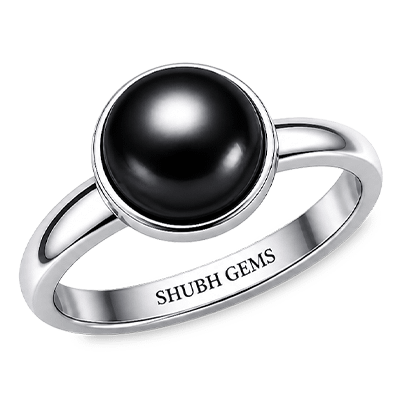
- Customised Silver Rings — naturally coloured Tahitian Pearl set in silver in open-back settings for direct skin contact; the dramatic dark colour of the Tahitian Pearl creates a ring of extraordinary visual impact when set against the cool brightness of silver; custom crafted to the specific carat weight and finger size required
- Customised Gold Rings — for those whose astrologer specifically recommends gold setting; the warm contrast of gold against the dark, iridescent Tahitian Pearl creates a combination of great sophistication and striking natural beauty
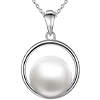
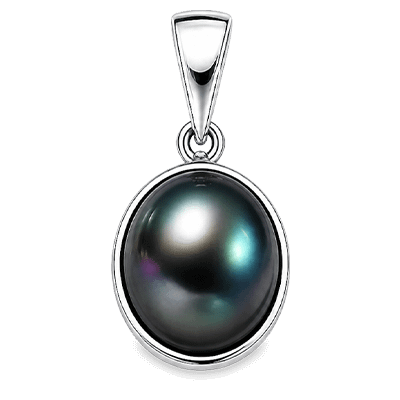
- Customised Pendants — naturally coloured Tahitian Pearl in silver or gold pendant settings; the dark, iridescent beauty of a genuine Tahitian Pearl pendant is among the most immediately distinctive and most dramatically beautiful pieces of natural gemstone jewellery available; worn close to the body for continuous energetic presence throughout the day
Why Shubh Gems? At Shubh Gems, we deal exclusively in naturally coloured Tahitian Pearls — certified natural colour, certified French Polynesian origin, zero dyed pearls, zero coated pearls. Complimentary Kundali consultation for all black pearl purchases. Lifetime Guarantee of Authenticity. Established 1995 — 25 plus years of trust. Lajpat Nagar, New Delhi. Worldwide Delivery. Call or WhatsApp: +91-8010-555-111 or visit www.shubhgems.com.
Why Buy Black Tahitian Pearl from Shubh Gems?
Naturally Coloured. Certified. No Dye. No Coating. The Ocean's Rarest Natural Colour.
- Naturally Coloured Tahitian Pearl ONLY — zero dyed, zero irradiated, zero coated
- Certified Natural Colour — GIA/IGI/IIGJ colour and origin certification standard
- French Polynesia origin — Tuamotu and Gambier Islands — world's only natural dark pearl
- Full natural colour range — Black, Charcoal, Grey, Peacock, Aubergine, Cherry, Pistachio
- All shapes available — Round, Near-Round, Drop, Button, Baroque — certified natural
- Protection, stability, security and grounding — Root Chakra energy
- Astrological use — only on qualified astrologer's recommendation — never self-prescribed
- Complimentary Kundali Consultation — before every astrological pearl purchase
- Customised Silver and Gold Rings — open-back for direct nacre-skin contact
- Customised Silver and Gold Pendants — striking natural dark beauty
- Already energised before dispatch — specific mantra advised by astrologer
- Lifetime Guarantee of Authenticity — Established 1995 — 25 years of trust
- Lajpat Nagar, New Delhi — Worldwide Delivery
Call / WhatsApp: +91-8010-555-111 | www.shubhgems.com
Frequently Asked Questions About Black Pearl
What is Black Pearl?
Black Pearls are natural dark-coloured saltwater pearls known for their unique appearance and rich overtones. High-quality black pearls are primarily produced by the Pinctada margaritifera oyster in regions like French Polynesia. These pearls are valued for their natural colour, lustre, and rarity.Are all Black Pearls natural?
No, not all black pearls available in the market are natural. Genuine black pearls have naturally occurring dark tones, while many low-cost pearls are:- Dyed or artificially coloured
- Chemically treated to appear black
What are Tahitian pearls and why are they considered the best black pearls?
Tahitian pearls are the highest-quality natural black pearls, produced in Tahiti and surrounding islands. They are considered the best because of:- Natural dark body colour (not dyed)
- Strong lustre and depth
- Unique overtones like peacock, green, and silver
What colours are available in Black Pearls?
Black pearls are not always jet black. They can display beautiful natural shades such as: Peacock (green + purple overtone), Grey, Silver, Blue, and Aubergine. The peacock overtone is one of the most valuable and sought-after colours.How to identify real Black Pearls vs dyed pearls?
A genuine black pearl will have:- Natural depth of colour (not flat or painted)
- Subtle colour variations and overtones
- High lustre with inner glow
- Too dark or uniform
- Artificial or dull
Are Black Pearls good for astrology?
In Vedic astrology, Pearl (Moti) is associated with the Moon (Chandra), which represents calmness and emotional balance. Traditionally, white or light-coloured pearls are recommended for astrological purposes. Black pearls are generally not preferred for strengthening Moon energy, but they are highly valued for jewellery.What is the difference between Black Pearls and South Sea Pearls?
Black Pearls are Dark tones with colourful overtones and More modern and stylish appearance. While South Sea Pearls are White, silver, or golden tones, Softer glow, and Preferred for astrology. Choice depends on your purpose — astrology vs jewellery.What is the price of Black Pearls in India?
Black pearl prices vary based on: Size, Lustre, Surface quality, and Colour overtone. Genuine Tahitian black pearls fall in the mid to premium range, while dyed pearls are much cheaper.Who should buy Black Pearls?
Black pearls are ideal for: Buyers looking for unique and premium jewellery and Those who prefer modern, bold, and elegant style. They are especially popular for rings, pendants, and designer jewellery.Where to buy original Black Pearls in India?
It is important to buy black pearls from a trusted and experienced gemstone dealer who ensures:- Natural, untreated pearls (not dyed)
- Proper quality selection
- Transparent guidance
Customer Reviews