+91 - 8010-555-111
 INR
INR  AUD - Australian Dollar
  BHD - Bahraini Dinar
  GBP - British Pound
  CAD - Canadian Dollar
  EUR - Euro
  HKD - Hong Kong Dollar
  IDR - Indonesian Rupiah
  ILS - Israeli New Shekel
  JPY - Japanese Yen
  KWD - Kuwaiti Dinar
  MYR - Malaysian Ringgit
  MUR - Mauritian Rupee
  NZD - New Zealand Dollar
  OMR - Omani Rial
  PHP - Philippine Peso
  QAR - Qatari Riyal
  SAR - Saudi Riyal
  SGD - Singapore Dollar
  CHF - Swiss Franc
  USD - US Dollar
  AED - United Arab Emirates Dirham
  VND - Vietnamese Dong






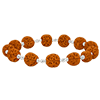



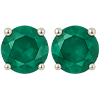

Green Jade
 Prosperity
Good Luck
Opportunities
Wisdom
Helps Trust People
Prosperity
Good Luck
Opportunities
Wisdom
Helps Trust People

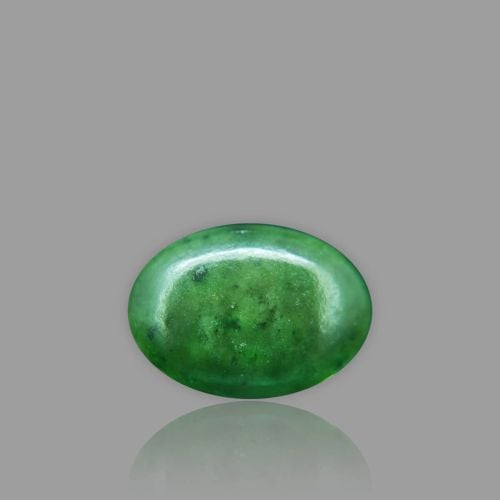
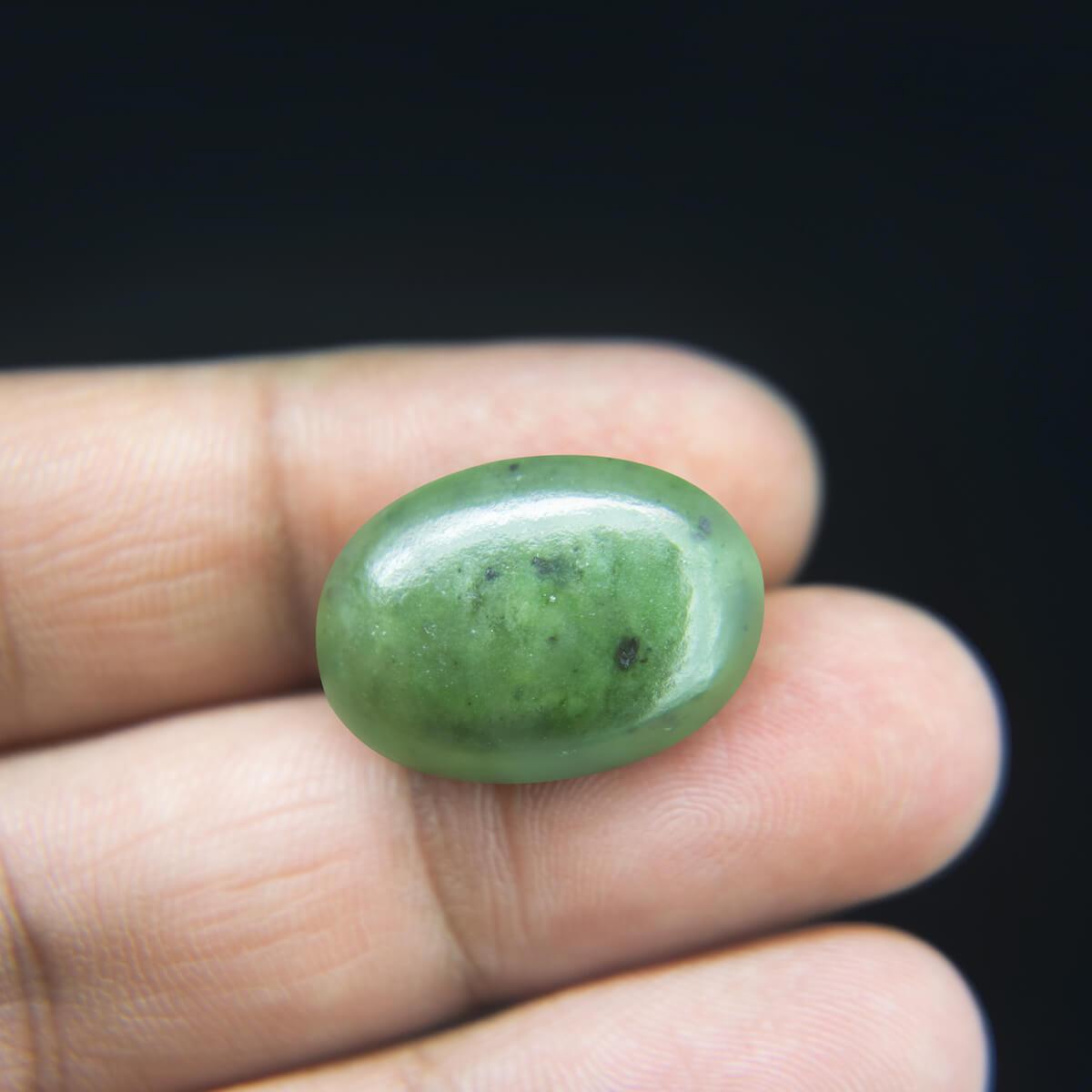

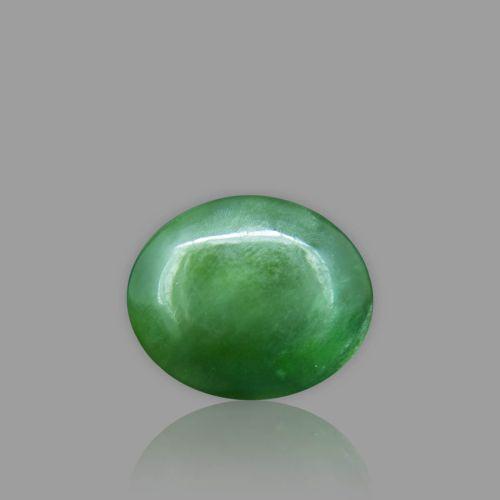
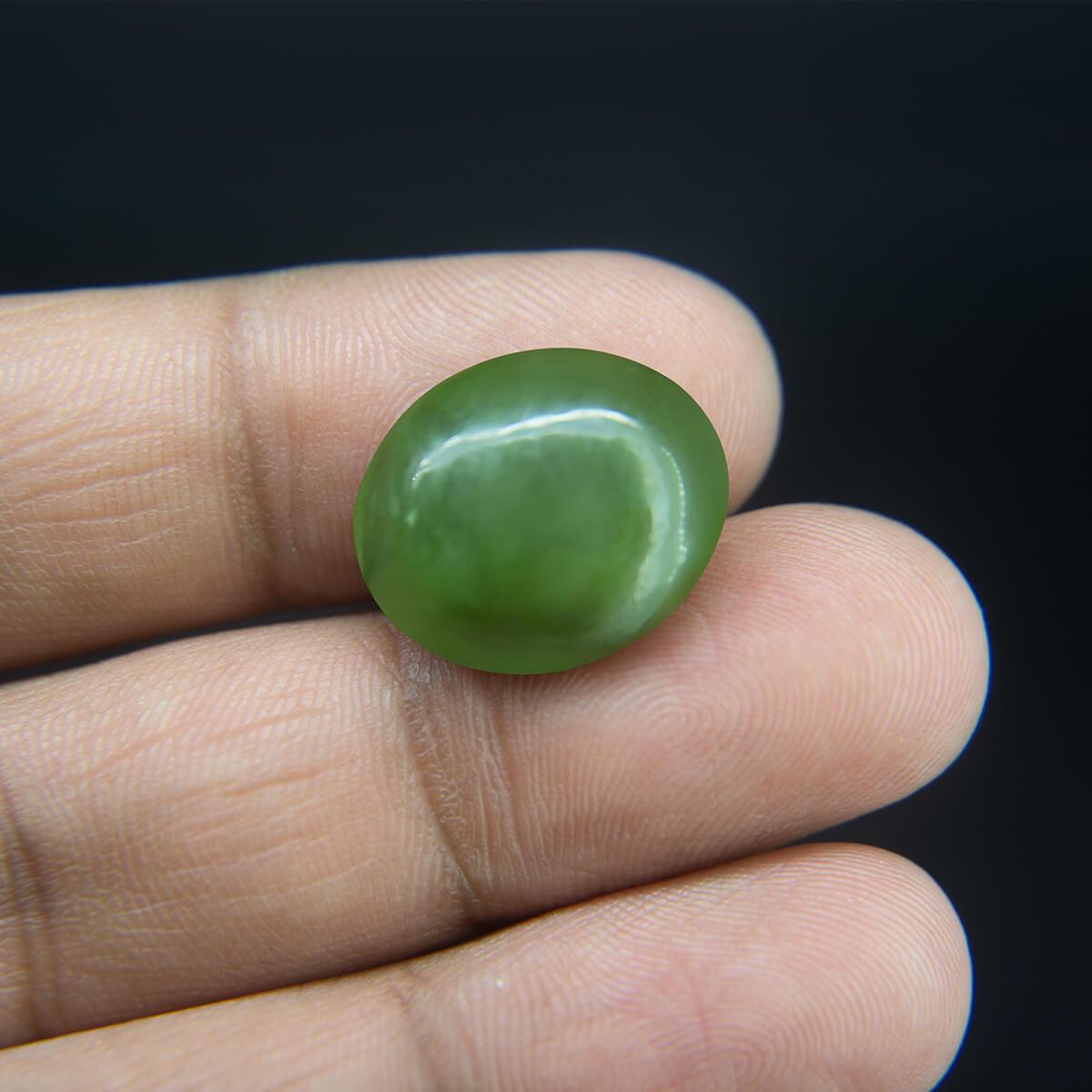
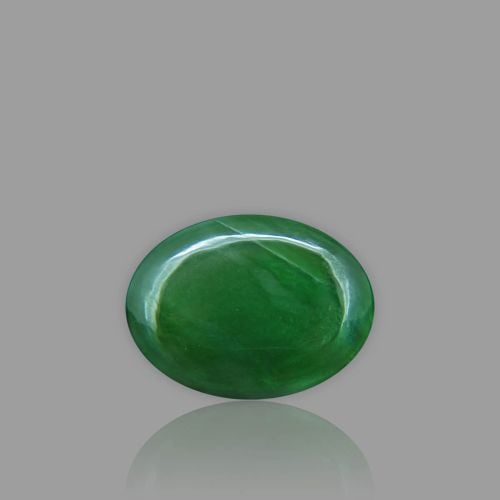
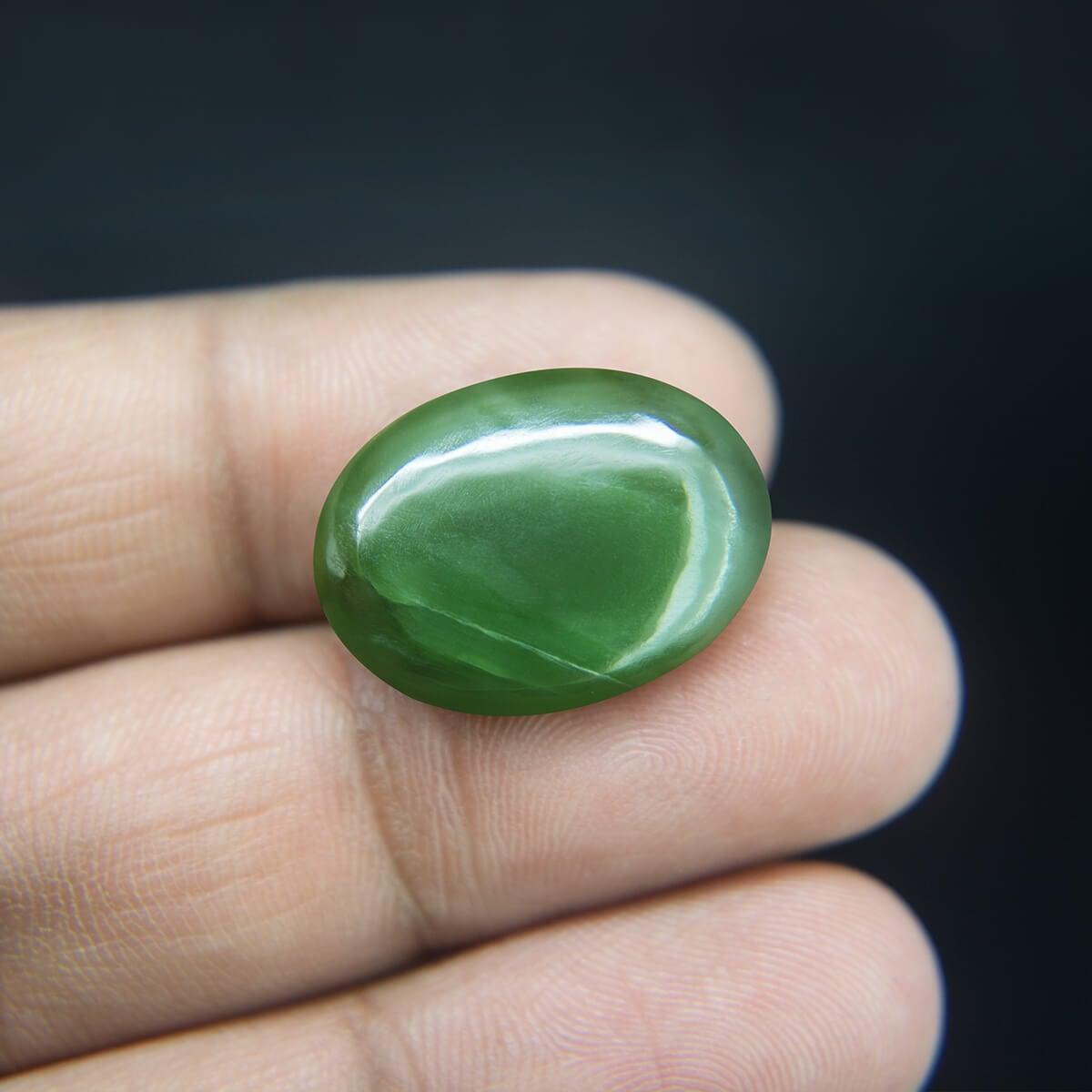
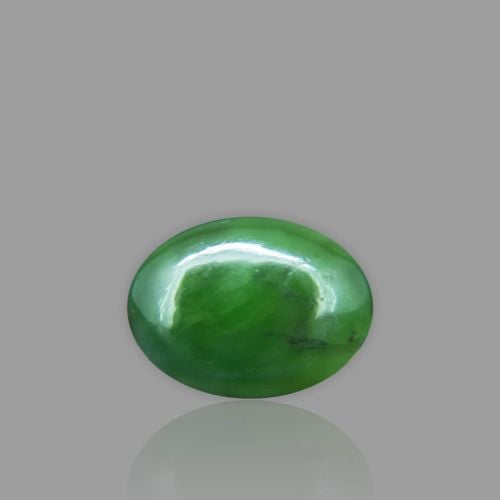
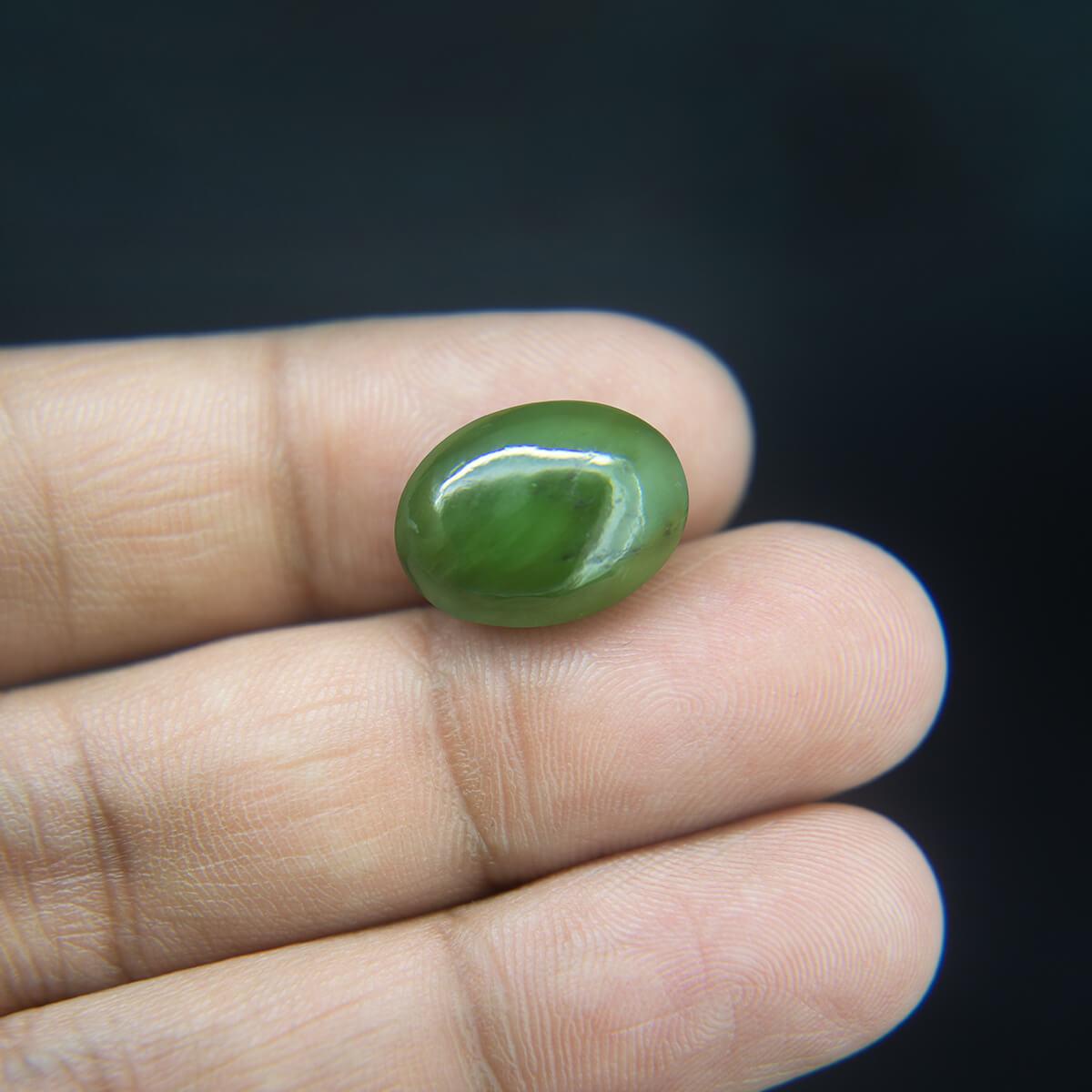
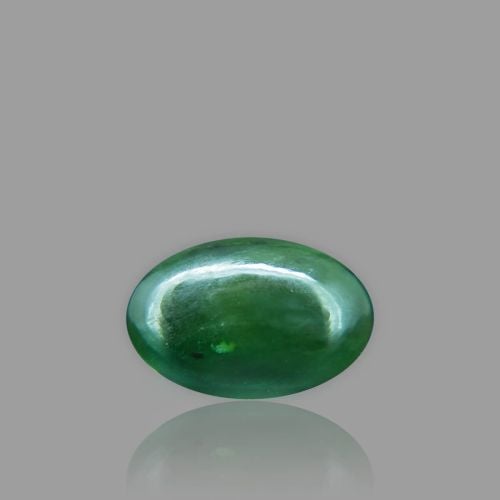
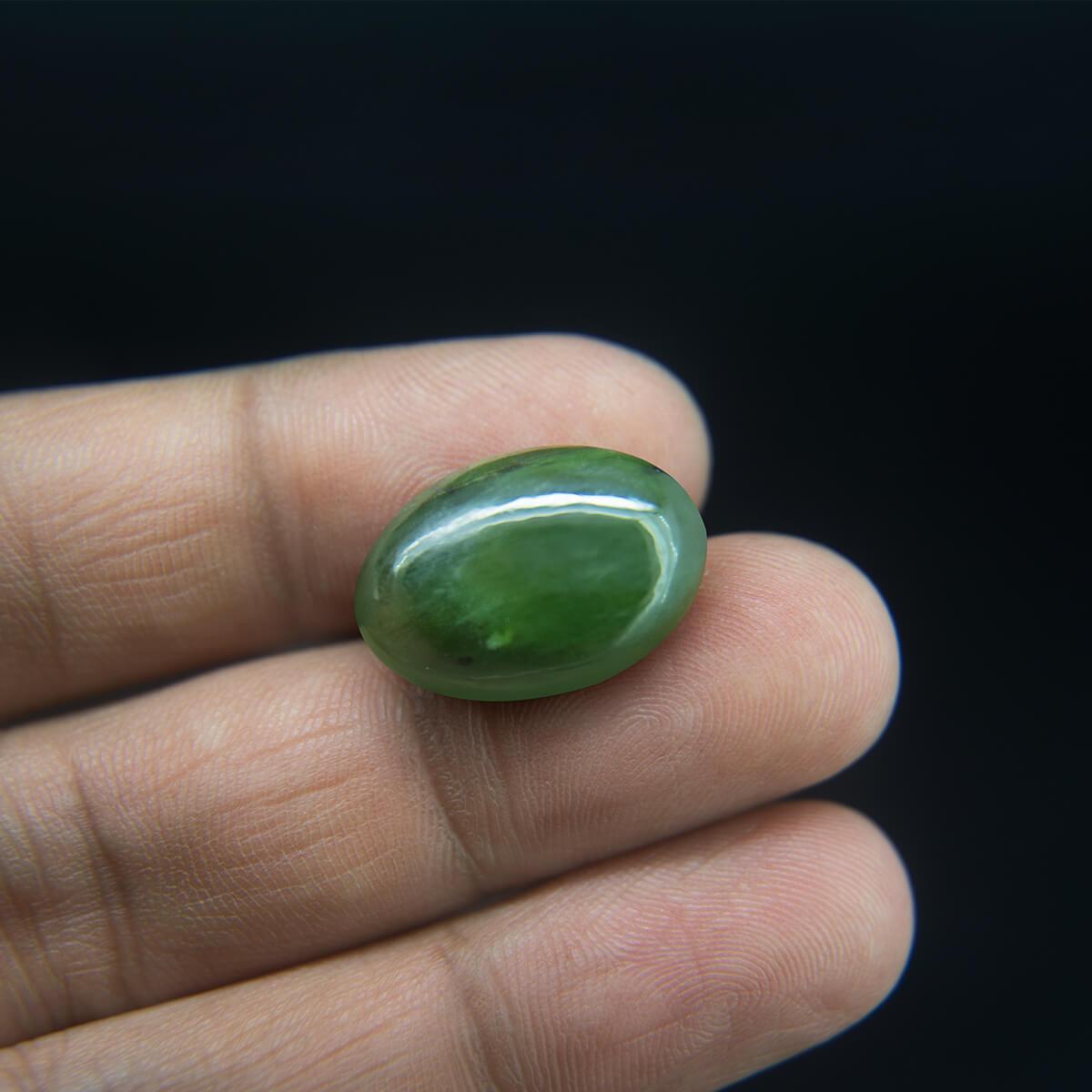
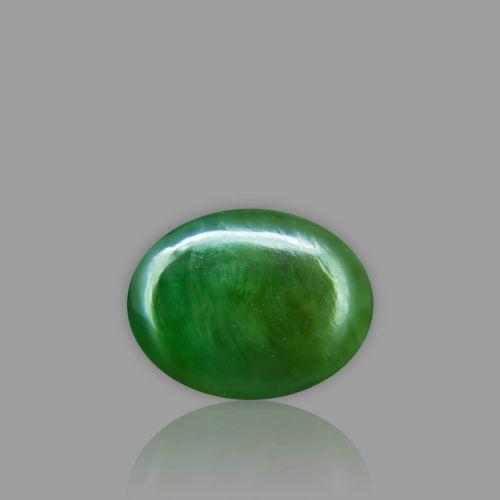
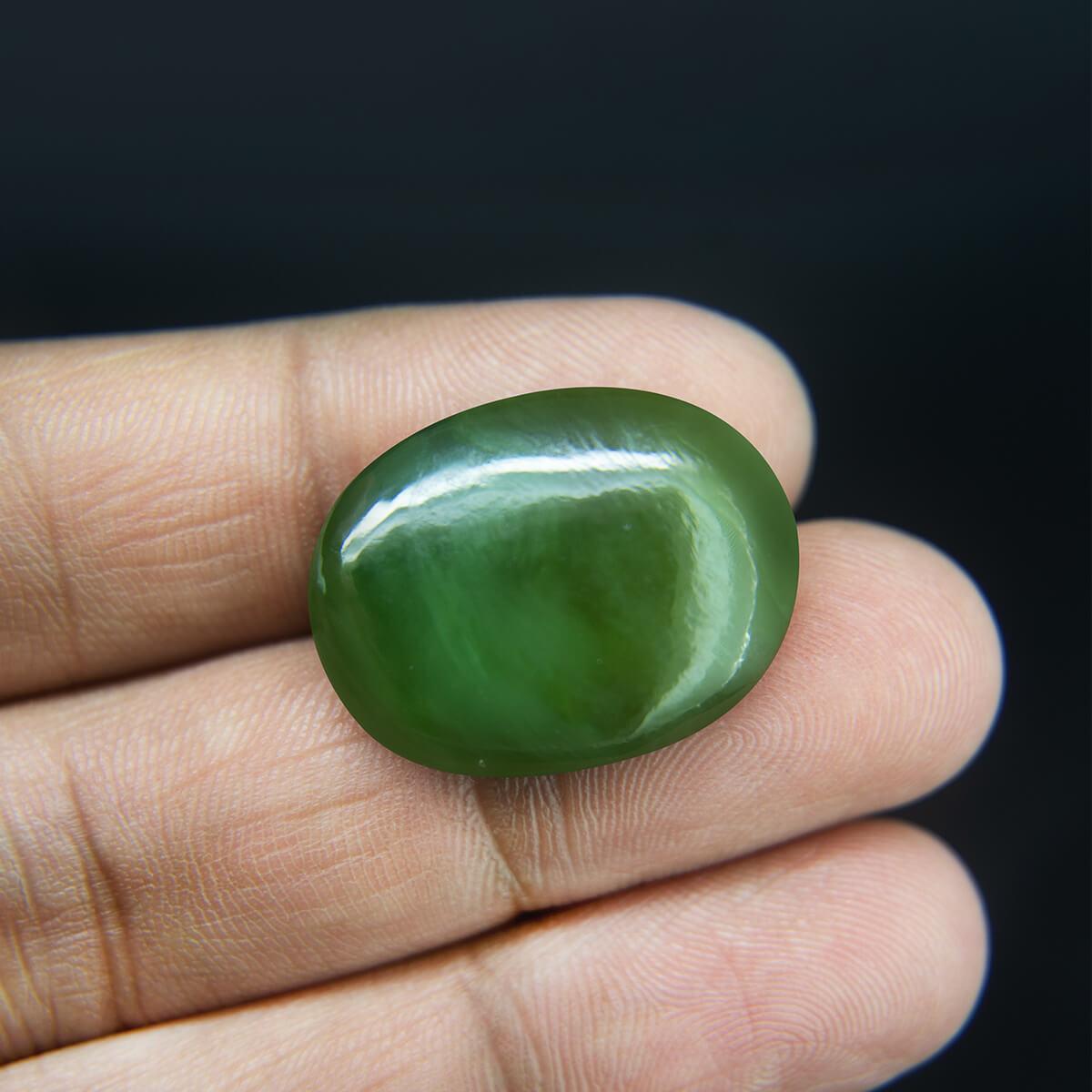
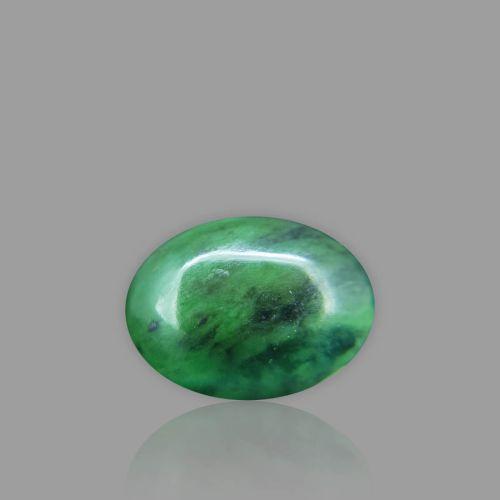
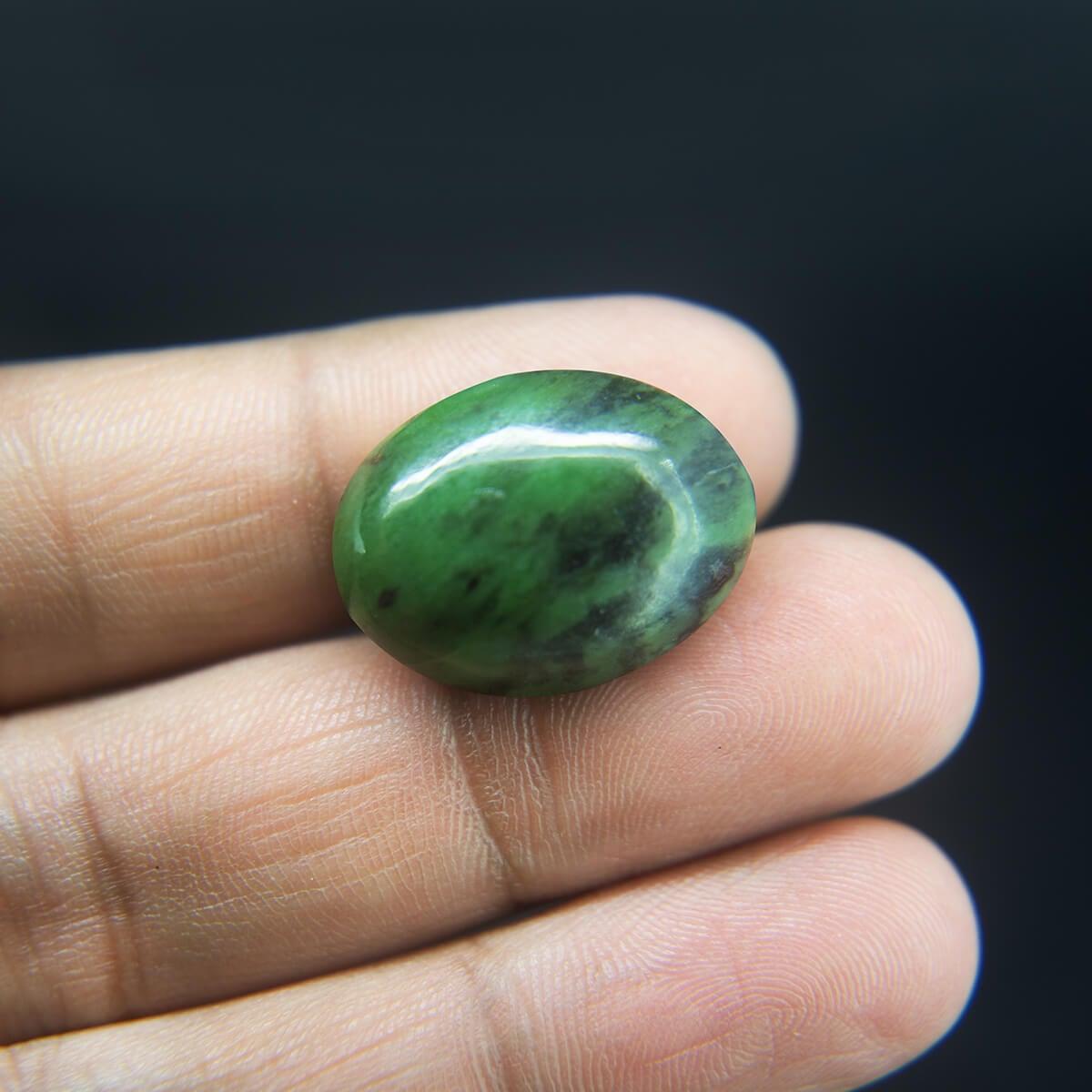
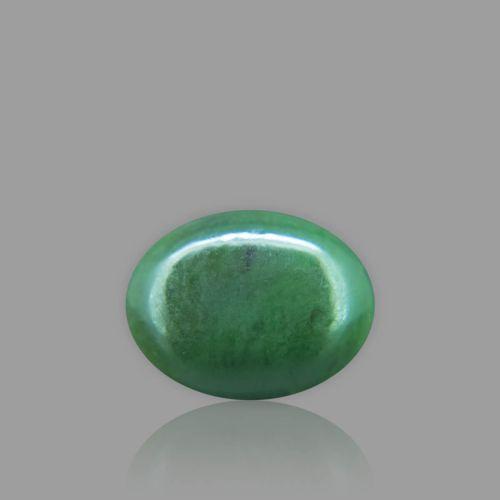
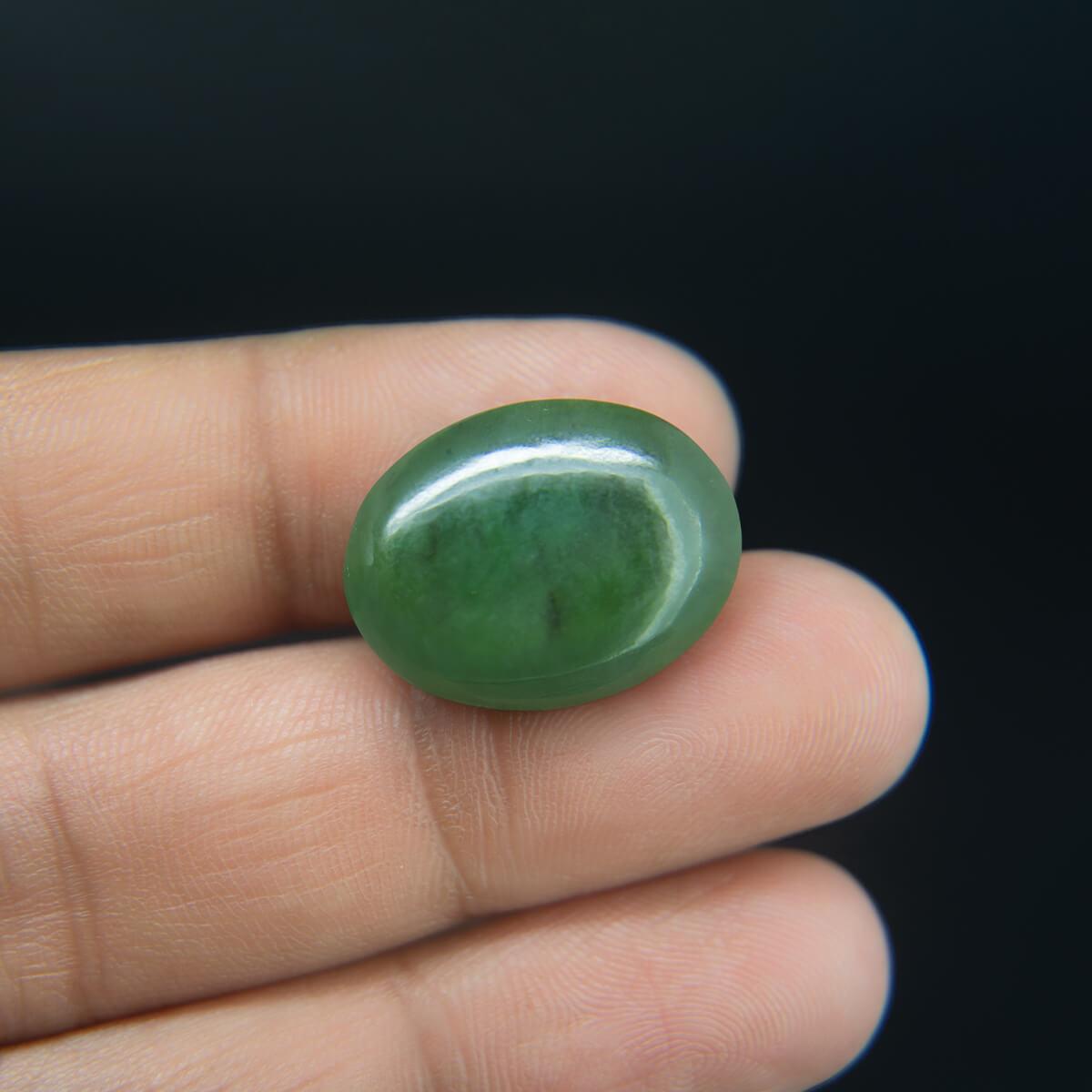
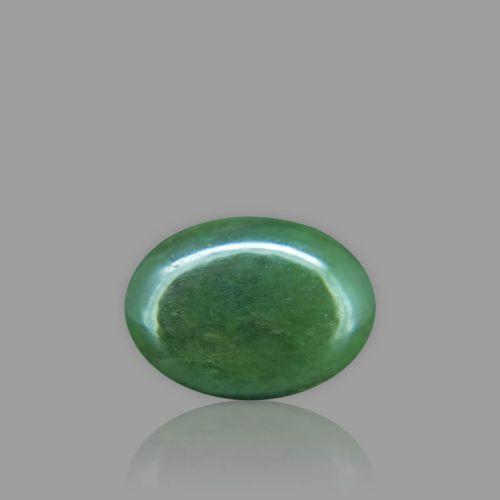
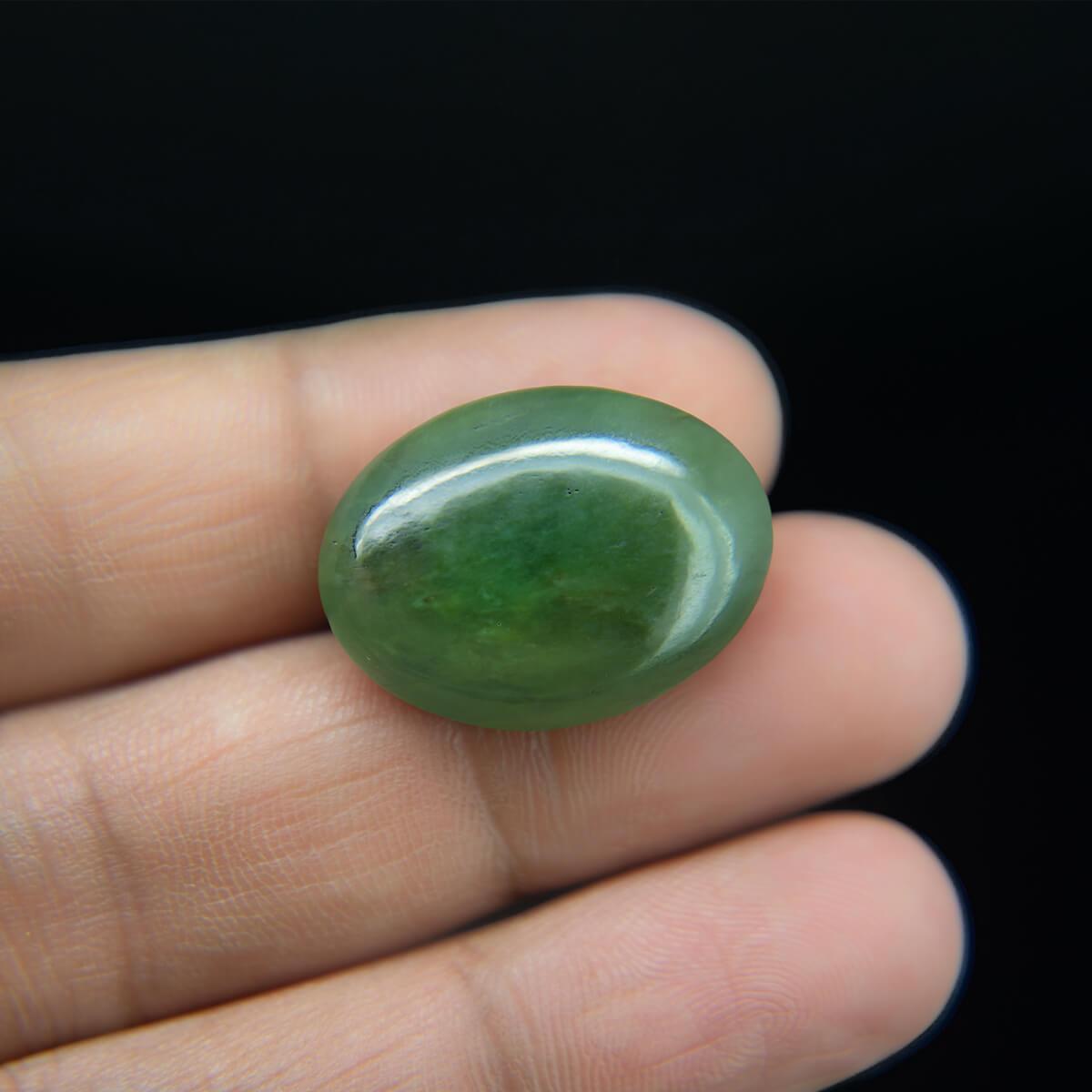
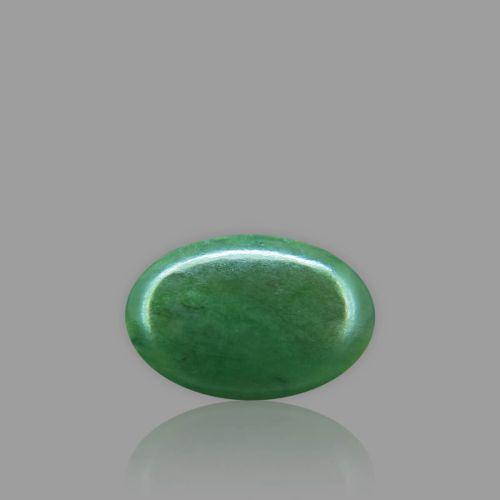
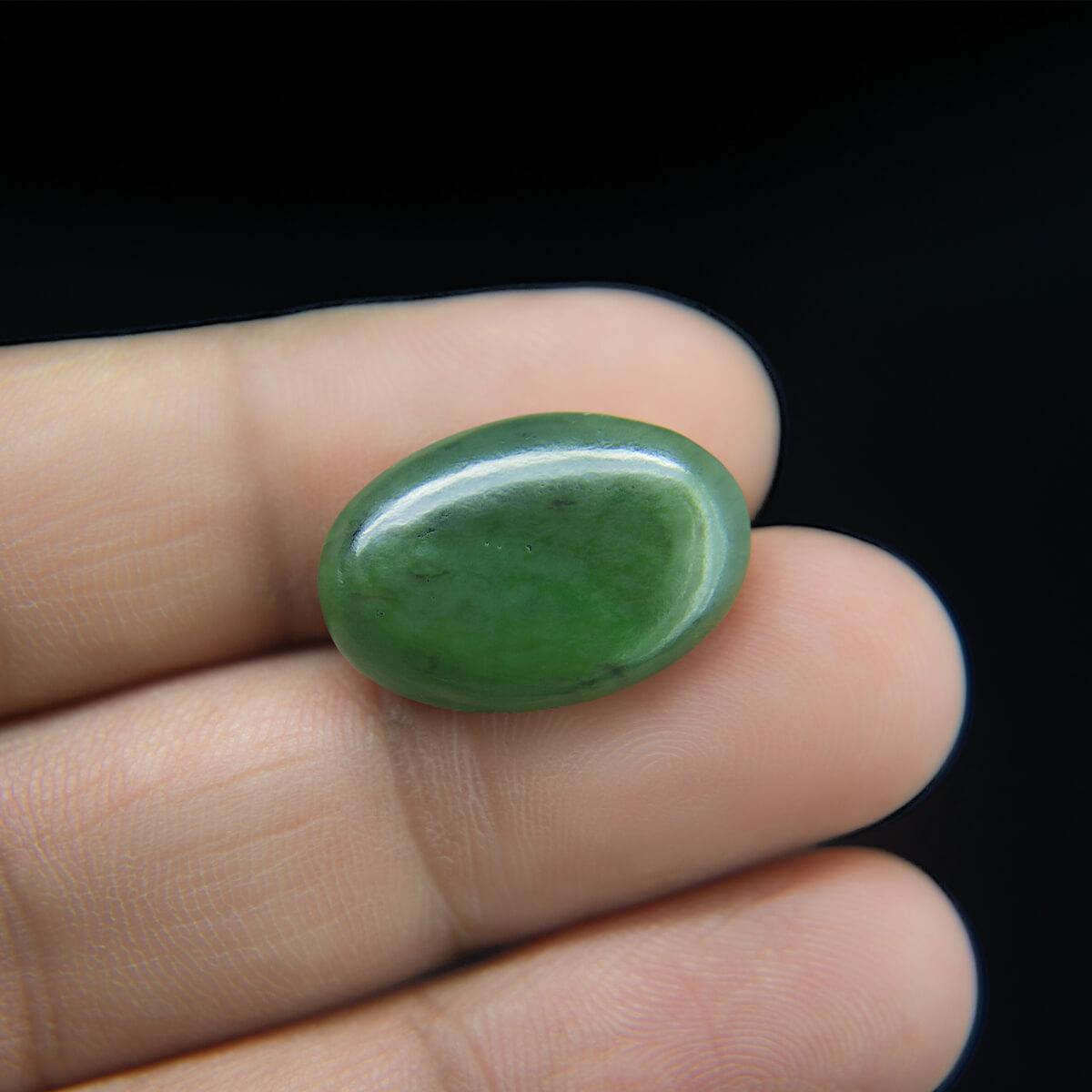
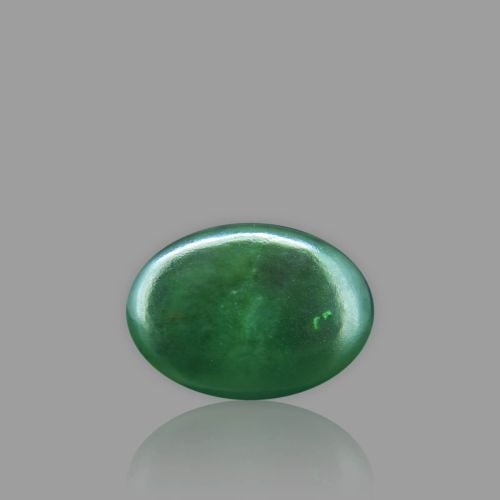
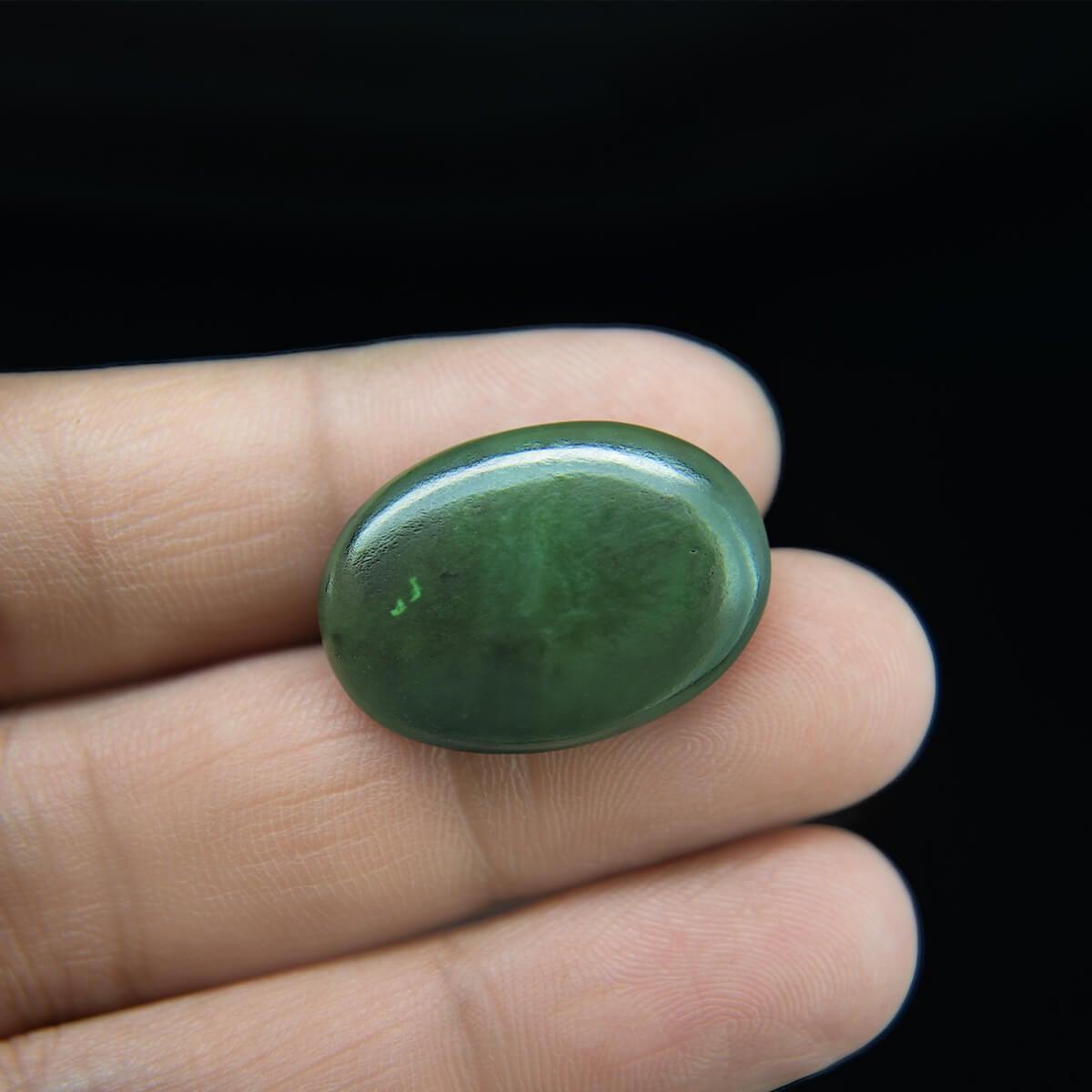
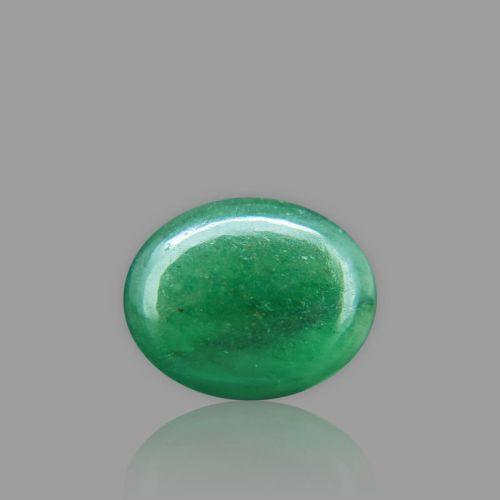
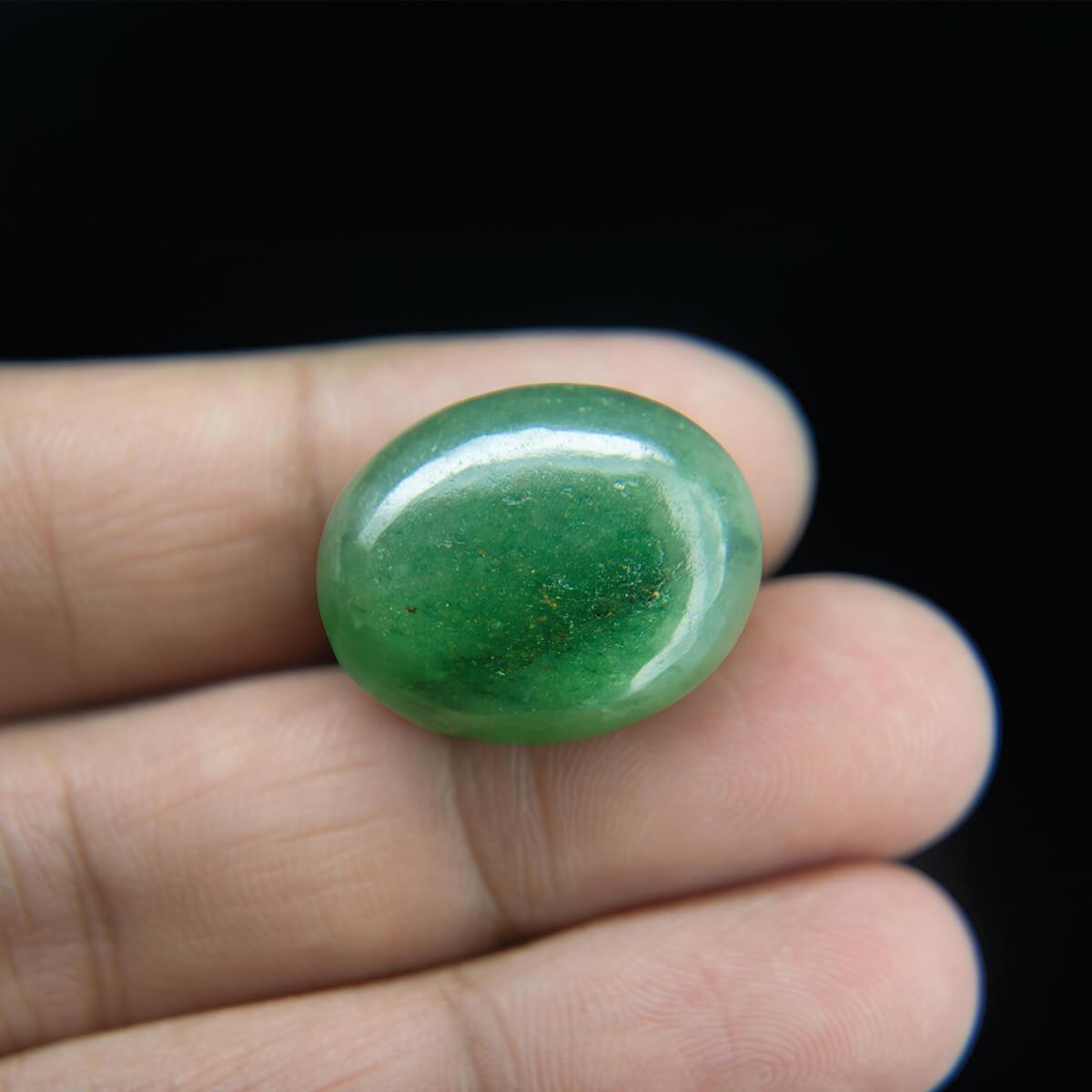
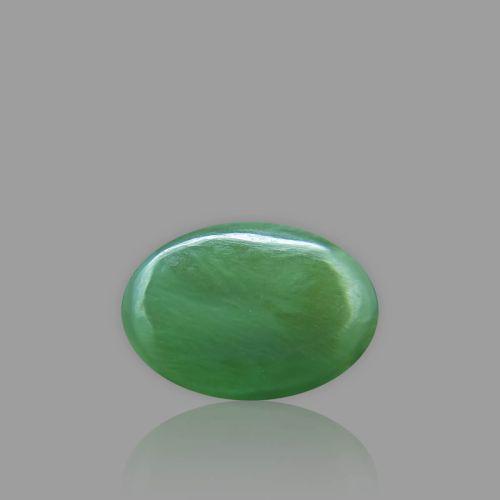
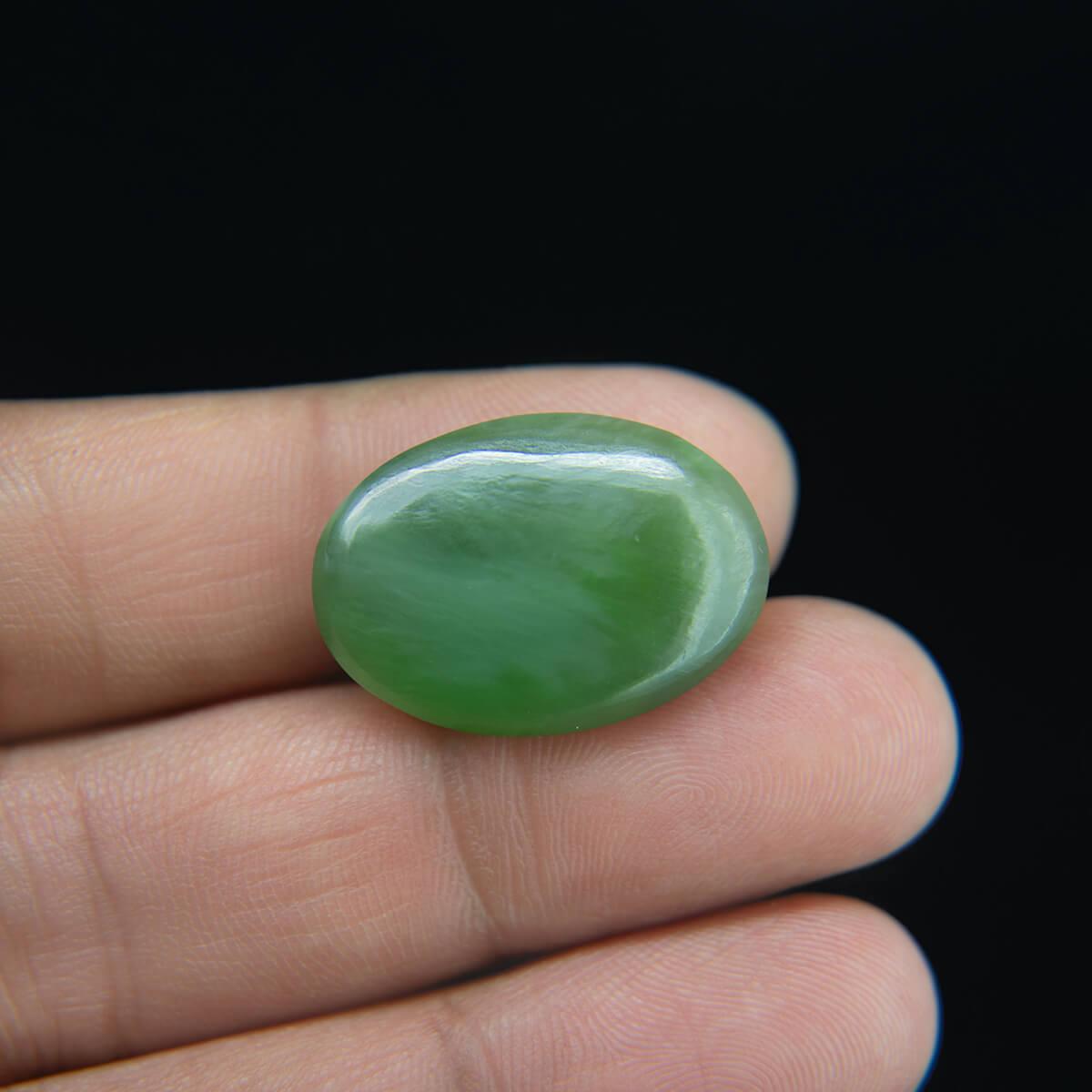
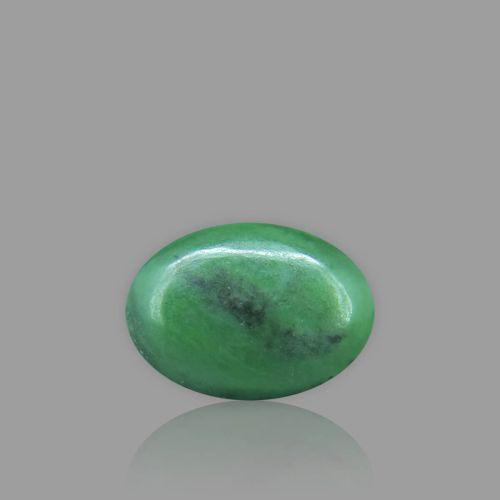
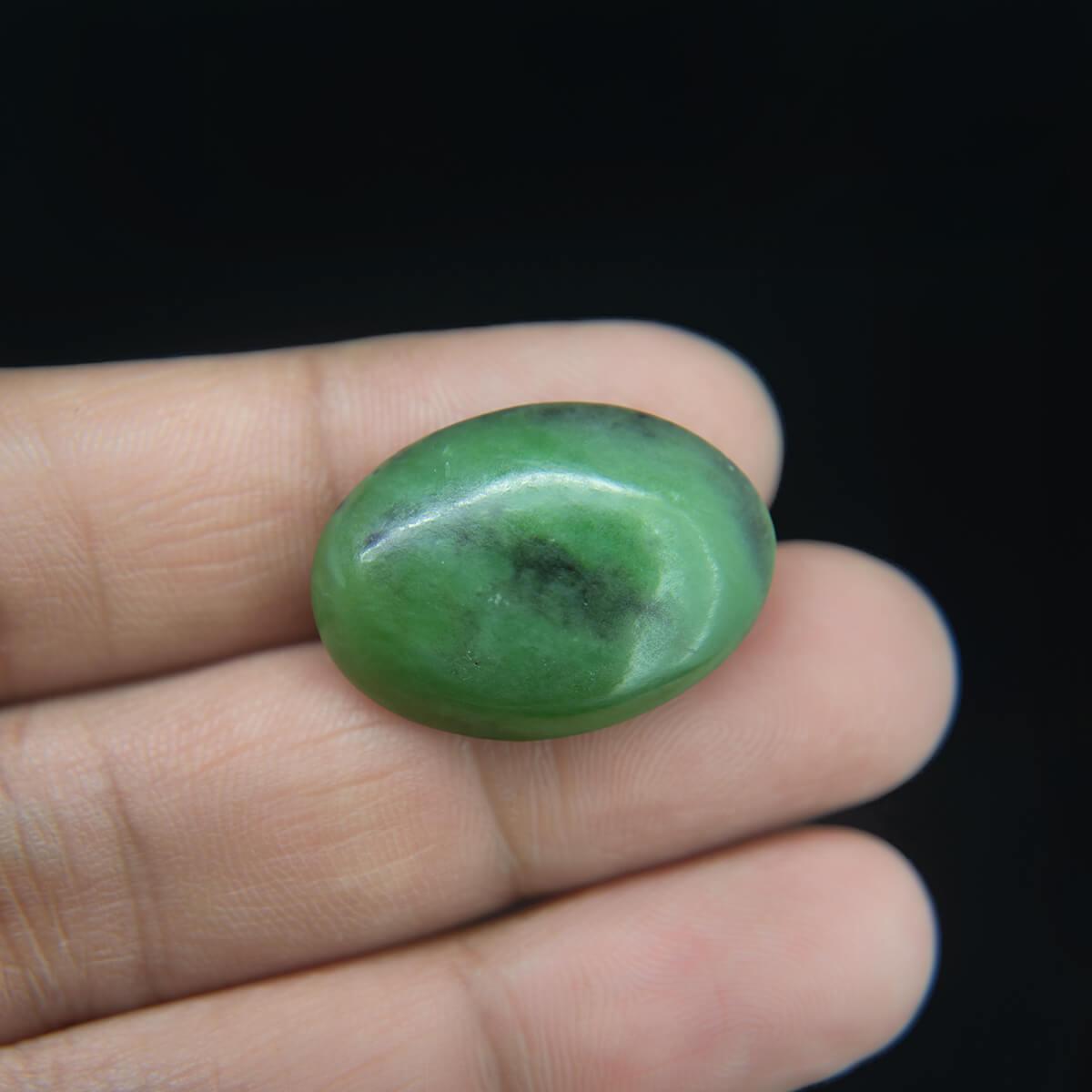
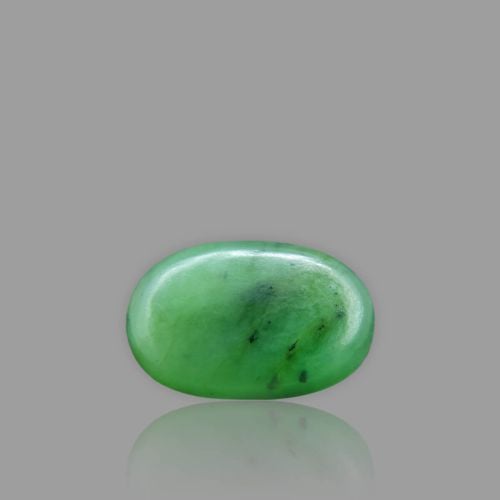
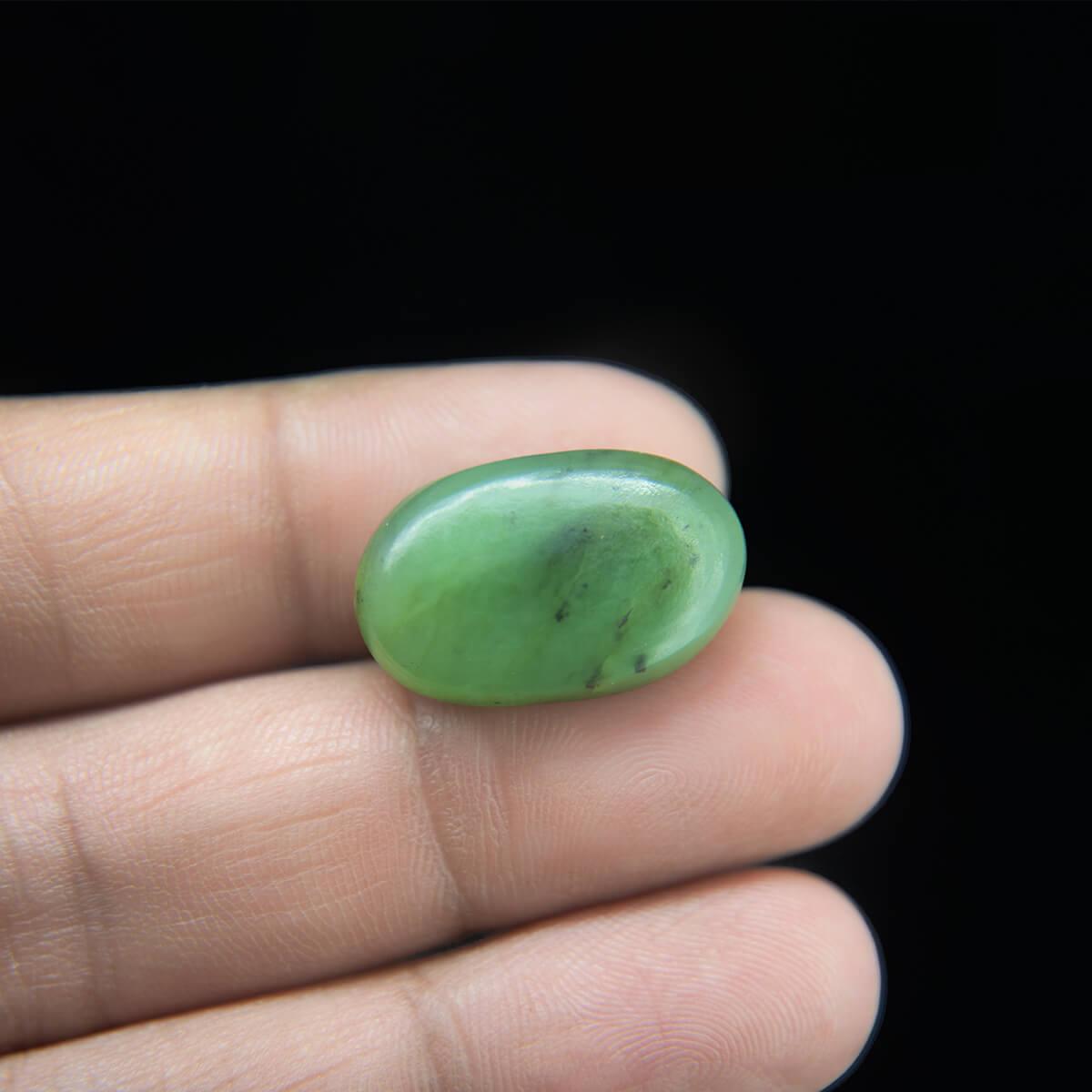
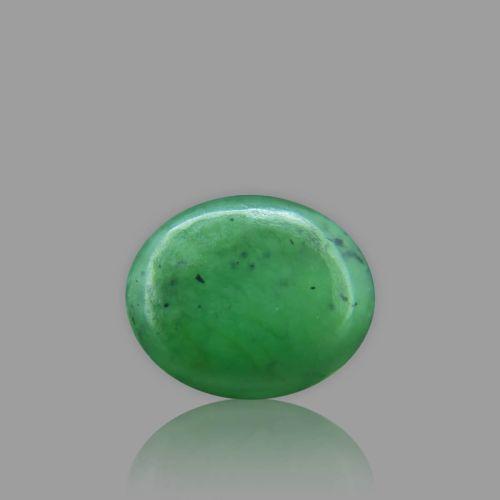
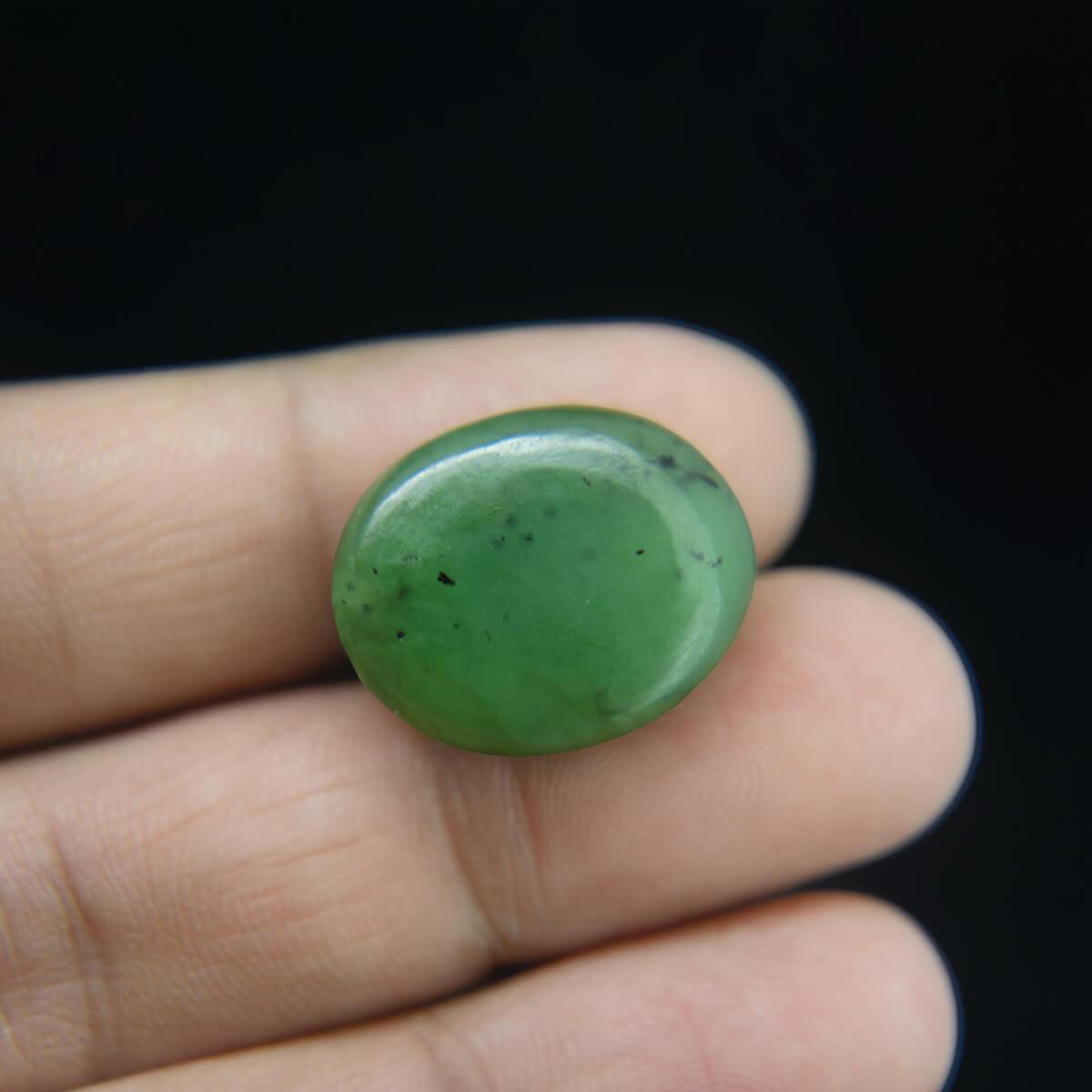
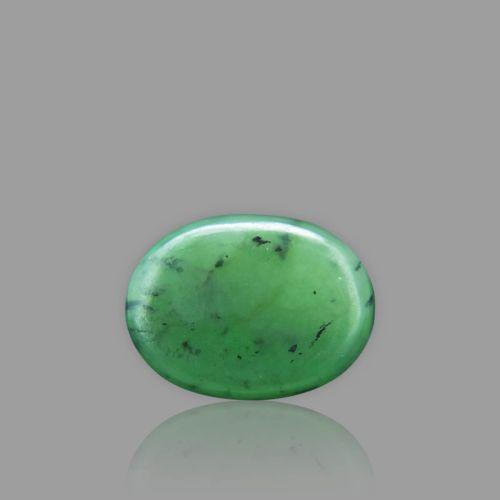
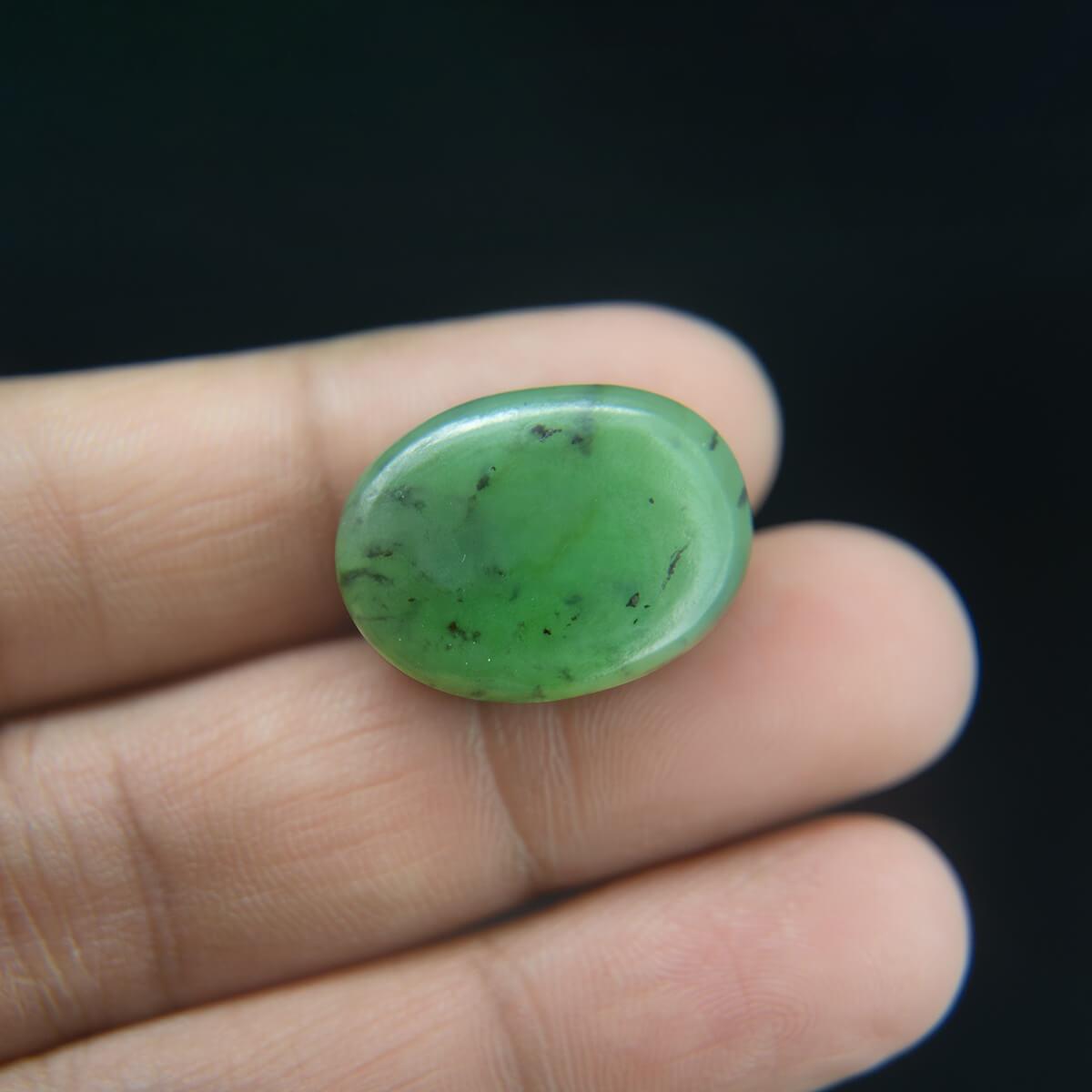

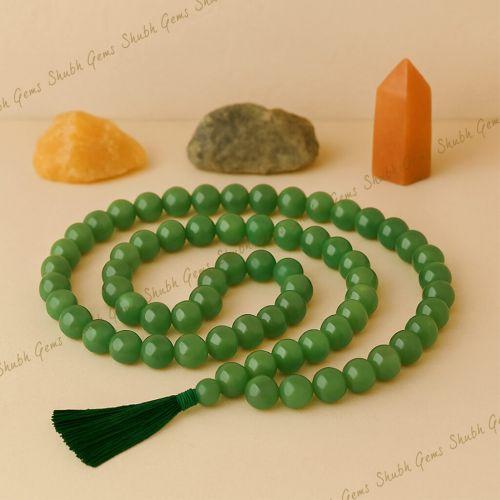
What is Green Jade? — Understanding the Two True Jades
One of the most important and most commonly misunderstood facts about Jade is that the name 'Jade' refers to two entirely distinct minerals — both of which are genuinely and legitimately called Jade, but which have different chemical compositions, different crystal structures, and somewhat different visual characters.
Jadeite — The Rarer, More Precious Jade
Jadeite is a sodium aluminium silicate (NaAlSi₂O₆) belonging to the pyroxene mineral group. It is the rarer, harder, and generally more valuable of the two Jades — ranking 6.5 to 7 on the Mohs scale. Jadeite occurs in the widest colour range — including white, lavender, orange, yellow, black, and most importantly, the full spectrum of greens from pale celadon to the most intense, most vivid emerald green. The finest Jadeite — known as Imperial Jade — is a translucent, intensely vivid emerald green coloured by trace amounts of chromium, and is among the most valuable gemstones in the world. Myanmar (Burma) accounts for approximately 70% of the world's Jadeite supply, followed by Guatemala.
Nephrite — The Ancient, Deeply Revered Jade
Nephrite is a calcium magnesium silicate belonging to the amphibole mineral group. It is more common than Jadeite, slightly softer at 6 to 6.5 on the Mohs scale, but exceptionally tough — its fibrous interlocking crystal structure making it one of the toughest natural materials known. Nephrite typically occurs in creamy white, mid to deep olive green, and occasionally brown or black. It has a characteristic smooth, waxy to greasy lustre that is one of its most distinctive and most beautiful qualities. China, New Zealand, Canada, Russia, and the USA (Wyoming) are among its most significant sources. The ancient Chinese tradition of Jade — spanning over 7,000 years — was almost entirely built on Nephrite.
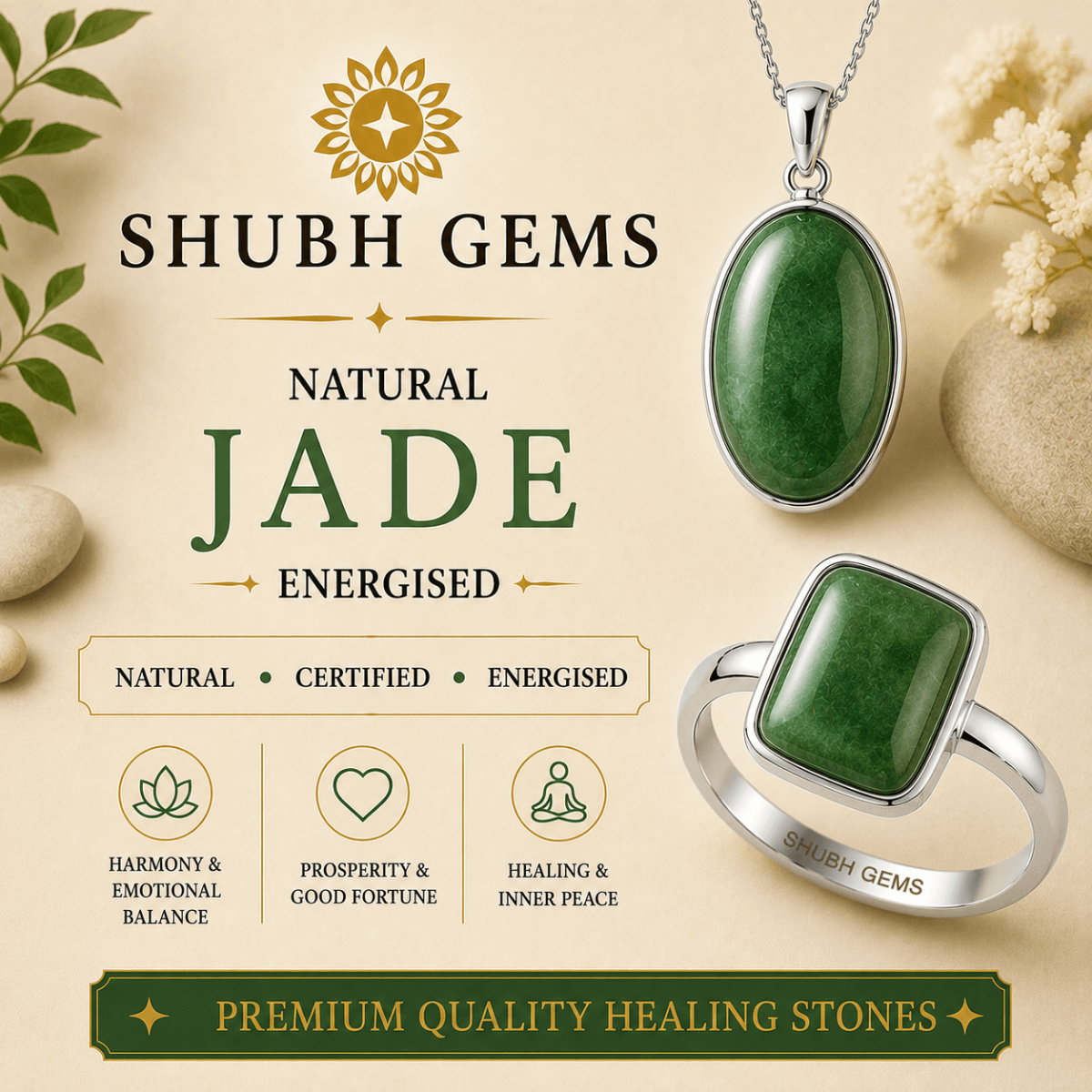
Both Jadeite and Nephrite are genuine, true Jade — and both are deeply meaningful, beautiful, and energetically powerful stones. At Shubh Gems, we stock natural, untreated Green Jade — the most universally loved and most widely used form of this extraordinary stone.
Did You Know? — Fascinating Facts About Green Jade
7,000 years of human reverence — the longest continuous history of any gemstone: Archaeological evidence places the earliest known use of Jade at over 7,000 years ago in Neolithic China — making it the gemstone with the longest documented continuous history of human use and reverence of any stone on earth. Long before diamonds were prized, long before rubies were coveted, long before gold became currency, the ancient Chinese were carving, wearing, and worshipping Jade as the most sacred and most precious material known to humanity. This extraordinary 7,000-year relationship between humanity and Jade is unmatched by any other gemstone in history.
The ancient Chinese valued Jade more than gold or diamonds: In ancient China, Jade was considered the 'Stone of Heaven' — believed to contain the essence of both heaven and earth and to embody the five Confucian virtues of wisdom, justice, compassion, modesty, and courage. Emperors were buried in jade suits. The most sacred objects in Chinese culture were carved from jade. A famous Chinese proverb states: 'Gold has a price; jade is priceless.' For thousands of years, jade held a position in Chinese culture that no other material — gold, silver, or precious gemstone — has ever equalled.
Imperial Jade — the most valuable green gemstone by weight: The finest quality translucent, vivid emerald-green Jadeite — known as Imperial Jade — regularly commands prices that rival or exceed the finest Emeralds, Rubies, and Diamonds. At major auction houses, exceptional Imperial Jade pieces have sold for tens of millions of dollars — making fine Jadeite one of the most valuable gemstones on earth. This extraordinary value reflects both its extreme rarity and its thousands of years of cultural and spiritual significance.
Jade is the toughest natural gemstone — harder to break than steel: While gemstone hardness is measured on the Mohs scale (which measures scratch resistance), toughness measures resistance to breaking and chipping — and by this measure, Jade is extraordinary. Nephrite Jade in particular has a fibrous interlocking crystal structure that makes it nearly impossible to break even with great force — a toughness that exceeds that of steel. This extraordinary toughness is why ancient peoples across the world independently chose Jade for their most important tools and weapons before metal — and why jade carvings thousands of years old remain perfectly intact today.
Green Jade Properties
| Property | Details |
|---|---|
| True Jade Types | Jadeite (sodium aluminium silicate) & Nephrite (calcium magnesium silicate) |
| Hardness — Jadeite | 6.5 – 7.0 Mohs — harder, rarer, more vivid colours |
| Hardness — Nephrite | 6.0 – 6.5 Mohs — tougher structure, characteristic waxy lustre |
| Colour Range | Pale celadon green · mid green · olive green · vivid emerald green |
| Finest Quality | Imperial Jade — translucent vivid emerald green Jadeite |
| Lustre | Jadeite: glassy to vitreous · Nephrite: waxy to greasy |
| Transparency | Opaque to semi-translucent |
| Distinctive Feel | Cool to the touch |
| Associated Chakra | Heart Chakra (Anahata) |
| Known As | Stone of Heaven · Dream Stone · Imperial Stone |
| Energy | Harmonising · protective · nurturing |
Critical Warning — Stones Commonly Sold as Green Jade
Green Jade is one of the most widely imitated and most frequently misrepresented gemstones in the world — particularly in the Indian market, where multiple entirely different stones are routinely sold under the name 'Jade' or marketed using misleading names that suggest a jade connection. This is not a minor issue — it is widespread, and it affects buyers at every price point, from affordable bead bracelets to expensive statement pieces.
The following stones are the most commonly sold as Green Jade — each of which is a different mineral with entirely different properties, different energy, and a fraction of the value of genuine natural Jade. None of them are Jade. Knowing them is the single most important step in protecting yourself as a buyer:
Green Aventurine — The Most Commonly Misrepresented
Green Aventurine Quartz is a variety of Quartz — an entirely different mineral family from Jade — that is sold under names including 'Indian Jade', 'Australian Jade', and simply 'Green Jade' in markets across India and the world. It is immediately distinguishable from real Jade by its sparkling, glittery internal shimmer (aventurescence) — caused by Fuchsite mica inclusions — which genuine Jade never displays. Real Jade has no internal sparkle. Green Aventurine is a beautiful crystal in its own right — but it is not Jade, does not possess Jade's energy or properties, and should never be sold as Jade. It is far more common and far less expensive than genuine natural Jade.
Green Onyx — A Different Mineral Entirely
Green Onyx is a variety of Chalcedony Quartz — again, an entirely different mineral from Jade — that is sold as 'Green Jade' across the Indian jewellery and crystal market with alarming frequency. Green Onyx is typically a uniformly saturated, even green colour — often artificially dyed — with a glassy, transparent to translucent quality quite different from Jade's characteristic opacity and waxy lustre. Most commercially available 'Green Jade' in India is Green Onyx or dyed Quartz — sold at Jade prices. Green Onyx has its own genuine properties and its own genuine value — but it is not Jade.
Dyed Quartz — The Most Deceptive Imitation
Dyed Quartz — also called 'Malaysian Jade' or 'Colour Jade' in some markets — is translucent Quartz artificially dyed in virtually any colour, including vivid green colours that can superficially resemble Jadeite. This is perhaps the most deceptive of all Jade imitations — its translucency and vivid colour can appear convincingly Jade-like to the untrained eye. Dyed Quartz is identifiable by its overly uniform, saturated, flat colour — genuine natural Jade always has subtle natural colour variation. Dyed Quartz is essentially worthless as a healing or gemstone material.
Serpentine — The Oldest Jade Imitation
Serpentine is a soft green mineral that has been sold as 'New Jade' for centuries — it is softer than Jade (Mohs 3 to 5.5), lighter, and has a distinctly different feel and appearance on close inspection. It is commonly sold as 'New Jade' in crystal markets worldwide. While serpentine has its own genuine healing properties, it is not Jade and should never be priced or sold as Jade.
Glass & Synthetic Imitations
Green glass and synthetic green materials are used to produce Jade imitations — particularly in very low-priced jewellery. Glass is immediately identifiable by the presence of air bubbles visible under magnification, a glassy shine quite different from Jade's waxy lustre, and the fact that it warms quickly in the hand — whereas genuine Jade stays distinctly cool.
How to Identify Real Green Jade — Key Tests
While only professional gemological testing (such as Raman spectroscopy or X-ray diffraction) can definitively confirm Jade identity, the following observations can help you make a more informed assessment:
- The Cool Touch Test — genuine Jade stays distinctly cool in your hand for an extended period, even after prolonged handling. Glass, plastic, and most Quartz-based imitations warm up much more quickly. Hold the stone for 30 seconds — real Jade remains noticeably cooler than your body temperature.
- No Internal Sparkle — genuine Green Jade never displays an internal sparkle or shimmer. If the stone glitters internally when moved in light, it is Green Aventurine — not Jade. Jade's internal structure may show subtle fibrous or cloud-like patterns, but never a metallic sparkle.
- Waxy, Non-Glassy Surface — genuine Nephrite Jade has a characteristic waxy, slightly greasy lustre that is distinctly different from the high-glassy shine of most Quartz-based stones. Jadeite has a brighter lustre but still lacks the sparkling quality of Quartz.
- Natural Colour Variation — genuine natural Jade always shows subtle, natural colour variation within a piece — slightly lighter and darker areas, natural veining, and soft tonal variation. Overly uniform, perfectly flat, evenly saturated green colour is a warning sign of dyed or synthetic material.
- The Sound Test — genuine Jade produces a clear, musical, bell-like tone when two pieces are gently tapped together. Imitations produce a dull, flat sound with no resonance. This test works particularly well with Jade bangles.
- Weight — genuine Jade feels noticeably heavier than most imitations of the same size, due to its high density. Green Aventurine and glass feel significantly lighter than genuine Jade of comparable dimensions.
- Professional Certification — the only completely reliable test is professional gemological certification. At Shubh Gems, our Green Jade is natural and untreated — and we are committed to full transparency about the stones we sell.
Summary — The most important rule: If a piece of 'Green Jade' is being sold at an unusually low price, sparkles with an internal shimmer, has a perfectly uniform flat colour with no natural variation, or warms quickly in your hand — it is almost certainly not genuine natural Jade. Always purchase Jade from a certified, trusted source that can verify the stone's authenticity. At Shubh Gems, every piece of Green Jade we sell is natural and untreated — we stake our 25+ year reputation on it.
Who Should Use Green Jade?
Green Jade is chosen by intention — no birth chart needed. Choose it if any of the following resonate:
- Those seeking greater harmony — in their relationships, their work, their home life, or their inner emotional world
- Those working to attract genuine, lasting prosperity and abundance — Jade's prosperity energy is patient, steady, and deeply rooted — the prosperity of wisdom rather than the luck of chance
- Those seeking emotional healing and balance — particularly those who have experienced long periods of stress, emotional turbulence, or the exhausting weight of difficult relationships
- Those drawn to deep wisdom — seeking to live more authentically, more compassionately, and more aligned with their own deepest values
- Those seeking protection — particularly gentle, long-term energetic protection from negative influences and harmful energies
- Those who feel disconnected from nature and seek to restore a grounded, peaceful, deeply earthed sense of well-being
- Those interested in dream work — Jade is known as the 'Dream Stone' for its ability to enhance meaningful, insightful dreaming
- Those drawn to Jade's extraordinary historical and cultural significance — owning a piece of genuine Jade connects you to 7,000 years of human spiritual tradition
✦ Why Shubh Gems for Green Jade? All Green Jade at Shubh Gems is natural and untreated — free from bleaching, dyeing, polymer injection, or any artificial enhancement. Already activated and energised by our healing experts and ready to use from the moment it arrives with you.
How to Use Green Jade
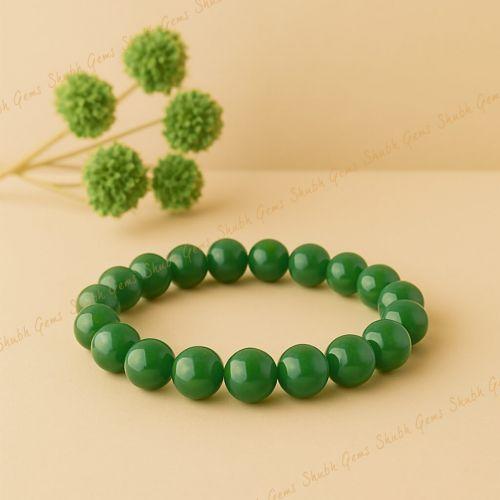
- Wear as a bead bracelet — the most traditional and most widely used form; keeping Jade's harmonising, protective, and prosperity-attracting energy with you continuously throughout the day
- Wear as a pendant over the heart — for direct Heart Chakra activation and continuous emotional harmony and healing support
- Carry as a pocket stone — a smooth, tumbled piece of Jade carried in the pocket has been used as a worry stone, a good luck charm, and a grounding companion for thousands of years
- Place in your home — in the prosperity corner (southeast, according to Vastu and Feng Shui) for abundance; near the entrance for protection; in the bedroom for harmony and restful sleep
- Place under the pillow — for enhanced dream recall, meaningful dreams, and subconscious emotional healing during sleep
- Meditate with Jade over the heart — place on the chest during lying meditation for deep Heart Chakra opening and emotional release
- Keep in your workspace — Jade's steady, grounded energy promotes clear judgment, ethical decision-making, and the patient, wise approach to professional challenges that leads to lasting success
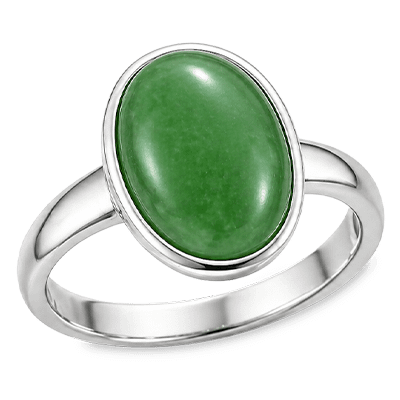
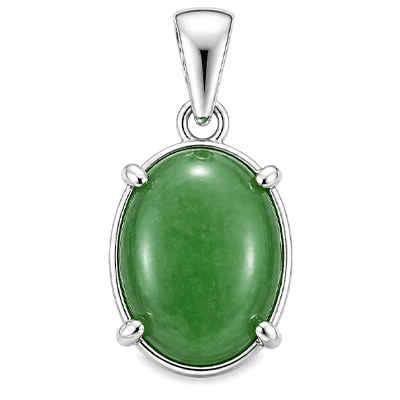
Best metal for Green Jade: Gold — both yellow and white — is the most traditionally prestigious and most historically resonant metal for fine Jade, reflecting its long association with imperial wealth and divine status. Silver creates a clean, contemporary setting that allows Jade's green to appear at its most vivid. Rose gold adds a warm, modern elegance. All metals complement Green Jade beautifully.
Crystal Activation & Energisation
All Green Jade at Shubh Gems is already activated and energised by our healing experts — completely ready to use from the moment it arrives with you.
To re-cleanse and re-energise your Green Jade:
- Full Moon Moonlight — the most recommended method. Place on a windowsill overnight during the full moon. Moon energy is deeply aligned with Jade's feminine, nurturing, wisdom-oriented energy.
- Sound Bath — use a singing bowl or bell near your Jade to clear absorbed energies safely. Sound is particularly resonant for Jade given its own distinctive musical tonal quality.
- Selenite Charging — place on a Selenite plate or beside a Selenite crystal overnight.
- Smudging — pass through sage or palo santo smoke to clear absorbed energies.
- Earth grounding — place directly on the earth or in a pot of soil overnight. Jade's deep earth-energy connection makes direct earth contact a particularly resonant and effective energisation method.
- Brief water rinse — polished Jade can be briefly rinsed under cool water. Dry immediately. Avoid prolonged water exposure, harsh chemicals, and saltwater.
Care note: Avoid prolonged direct sunlight — extended UV exposure can gradually affect Jade's colour. Avoid harsh chemical cleaners, ultrasonic cleaners, and steam cleaners. Store separately from harder stones to prevent surface scratching. Clean only with a soft, slightly damp cloth.
Healing Benefits of Green Jade
Harmony, Balance & Inner Peace
Green Jade's most universally experienced and most consistently reported quality is its extraordinary ability to create a state of deep inner harmony — a settled, balanced, quietly joyful peace of mind that feels like a natural return to one's own centre after a long period away. Its energy is not dramatic or intense — it works slowly, steadily, and deeply, like the patient growth of an ancient tree — gradually dissolving disharmony, smoothing emotional turbulence, and restoring the quiet inner equilibrium from which genuine wisdom, genuine compassion, and genuine well-being all naturally arise.
Prosperity, Abundance & Good Fortune
Green Jade has been associated with the attraction of prosperity and good fortune for over 7,000 years across multiple independent civilisations — and this enduring, cross-cultural association with abundance is itself significant. Its prosperity energy works through the inner qualities it cultivates — wisdom, patience, steady effort, clear judgment, and the open-hearted generosity that naturally attracts reciprocal abundance. It is the stone of earned, lasting, deeply rooted prosperity — not the flash of sudden luck but the steady accumulation of well-deserved good fortune that follows genuine wisdom and virtuous action.
Protection — Gentle, Steady & Long-Term
Jade has been one of humanity's most trusted protective stones for longer than any other gemstone in history — worn as amulets, carved into protective objects, and used in sacred rituals of protection across China, Central America, India, and New Zealand for thousands of years. Its protective energy is not dramatic or assertive — it works like a deep, quiet shield of earth energy, gently but effectively deflecting harmful influences, negative energies, and the ill intentions of others. It is particularly recommended for those seeking a steady, long-term protective energy rather than an acute protective response.
Emotional Healing, Compassion & Forgiveness
Through its Heart Chakra connection, Green Jade supports deep emotional healing — dissolving old wounds, releasing resentment, and cultivating the genuine compassion for oneself and others that is the foundation of truly open-hearted living. It is particularly effective for those who carry heavy emotional burdens — long-term stress, deep-seated resentment, or the grief of difficult relationships — gently bringing these to the surface and creating the conditions in which genuine healing and genuine forgiveness can emerge. Its energy is patient and non-judgmental — never forcing but always gently supporting the natural process of emotional growth and healing.
Wisdom, Clarity & Sound Judgment
Perhaps Jade's most underappreciated and most profound quality is its deep association with wisdom — the kind of clear, grounded, experience-based wisdom that sees situations accurately, makes sound decisions, and acts with genuine integrity. Ancient Chinese philosopher-sages carried and meditated with Jade for exactly this reason — believing it enhanced their capacity for clear, ethical, wise judgment. Working with Green Jade over time is believed to sharpen the quality of one's thinking and decision-making — not through analytical sharpness but through a deeper, more grounded, more heartfelt clarity.
Dream Work & Subconscious Healing
Green Jade has been called the 'Dream Stone' for its remarkable connection to the dreaming mind and the subconscious. Placed beside the bed or under the pillow, it is believed to enhance dream recall, promote meaningful and insightful dreams, and facilitate the subconscious processing of emotional experiences that the waking mind has not yet fully addressed. For those engaged in psychological or spiritual self-work, Jade's ability to support deeper, more meaningful inner exploration during sleep is one of its most unique and most genuinely experienced qualities.
Chakra Connection — Heart Chakra (Anahata)
Green Jade resonates deeply and exclusively with the Heart Chakra (Anahata) — the energy centre at the centre of the chest governing love, compassion, harmony, and our capacity for both giving and receiving freely. Its rich, deep, earth-connected green energy is one of the most completely and most consistently Heart Chakra-aligned of all healing stones — working to open, balance, and heal the heart with a quiet, steady, deeply nurturing energy that reflects the slow, patient, enduring power of the natural world it embodies.
Where other Heart Chakra stones offer specific qualities — Rose Quartz for gentle love, Malachite for deep transformation, Rhodochrosite for inner child healing — Green Jade offers something more complete and more holistic: a total harmonisation of the heart with its own deepest wisdom. It does not force change but supports it — creating the inner conditions of peace, clarity, and open-hearted wisdom from which the most authentic and most lasting personal growth naturally arises.
Green Jade is the Heart Chakra stone of wisdom — not just of love. Ancient Chinese philosophy understood this instinctively: Jade embodies the five Confucian virtues of wisdom, justice, compassion, modesty, and courage — all of which ultimately arise from a truly open, balanced, and wise heart.
Quality Factors and Price of Green Jade
Green Jade quality is assessed on colour richness, translucency, surface quality, and the natural character of the stone. Genuine natural untreated Jade commands a significant premium over treated or imitation material:
| Grade | Price / Carat (INR) | Quality Characteristics |
|---|---|---|
| Good Quality | ₹ 500 – ₹ 900 | Natural green, good colour, opaque — natural untreated |
| Premium Quality | ₹ 900 – ₹ 1,400 | Rich green, good surface quality, subtle translucency |
| Finest Quality | ₹ 1,400 – ₹ 2,000 | Deep vivid green, excellent surface, notable translucency |
Natural Green Jade at Shubh Gems
At Shubh Gems, our commitment is absolute: every piece of Green Jade we sell is natural and untreated — free from bleaching, artificial dyeing, polymer injection, or any other form of artificial enhancement. In a market where genuine natural Jade is one of the most widely misrepresented gemstones, this commitment to authenticity is the foundation of everything we do.
- AAA Quality Natural Bead Bracelets: natural Green Jade bead bracelets, quality-selected for colour, surface finish, and natural character. Already activated and energised, ready to wear.
- Premium Loose Stones: natural Green Jade in a range of sizes — each piece individually selected for colour quality, surface character, and natural integrity. Ideal for customised jewellery and healing practices.
- Customised Rings: natural Green Jade set in your choice of metal. Our craftsmen create settings that beautifully honour the stone's deep colour and natural character.
- Customised Pendants: natural Green Jade pendants in silver, gold, white gold, and rose gold — worn over the heart for maximum Heart Chakra benefit and as a deeply meaningful, historically resonant jewellery piece.
✦ Why Shubh Gems for Green Jade? Every Green Jade at Shubh Gems is natural and untreated — backed by our Lifetime Guarantee of Authenticity and our 25+ year reputation for quality and integrity.
Buying Guide — Protecting Yourself When Buying Green Jade
Given how widely Green Jade is misrepresented in the market, this buying guide focuses primarily on protecting you from imitations and ensuring you receive genuine natural Jade value:
- Be immediately suspicious of any 'Green Jade' with an internal sparkle or shimmer: This is Green Aventurine, not Jade. Genuine Jade never sparkles internally.
- Be suspicious of perfectly uniform, flat, evenly saturated green colour: Genuine natural Jade always has subtle natural colour variation. Suspiciously perfect colour is often a sign of dyeing.
- Feel the weight: Genuine Jade feels noticeably heavier than most imitations of the same size. If it feels light, exercise caution.
- Feel the temperature: Genuine Jade stays distinctly cool in your hand. Glass and plastic warm up rapidly; Quartz-based stones warm more quickly than Jade.
- Listen to the price: Genuine natural Jade at Rs. 200-300 per carat is not genuine natural Jade. Authentic natural Green Jade has a genuine cost floor. Prices far below the market reality almost always indicate imitation material.
- Question names like 'Indian Jade', 'Australian Jade', 'Malaysian Jade', 'New Jade', or 'Green Jade' without certification: These are almost always trade names used for imitation stones. Real Jade is simply called Jade, Jadeite, or Nephrite.
- Always buy from a certified, reputable source: At Shubh Gems, our Green Jade is natural and untreated, backed by our Lifetime Guarantee of Authenticity and our 25+ year reputation for gemstone integrity.
✦ Why Shubh Gems? In the Indian gemstone market, the vast majority of stones sold as 'Green Jade' — in bazaars, in many online stores, and even in many established jewellery shops — are Green Aventurine, Green Onyx, dyed Quartz, or other imitations. This is not Jade. These stones have their own genuine beauty and value — but they are not Jade and should not be priced or sold as Jade. Buying from Shubh Gems guarantees you genuine natural Green Jade backed by our Lifetime Guarantee of Authenticity. Call or WhatsApp: +91-8010-555-111 or visit www.shubhgems.com.
Why Buy Green Jade from Shubh Gems?
Natural · untreated · authenticated · already activated — 7,000 years of wisdom
- Natural Untreated Green Jade — no bleaching, no dyeing, no polymer injection
- Lifetime Guarantee of Authenticity — not Green Aventurine, not Green Onyx, not dyed Quartz
- Already Activated & Energised — by our healing experts, ready to use
- Heart Chakra — harmony, prosperity, wisdom & lasting protection
- AAA Bead Bracelets · Loose Stones · Custom Rings & Pendants
- All Metals — Silver, Gold, White Gold & Rose Gold
- 25+ Years of Trust · Lajpat Nagar, New Delhi · Worldwide Delivery
Call / WhatsApp: +91-8010-555-111 | www.shubhgems.com
Frequently Asked Questions About Jade (Nephrite & Jadeite)
What is Jade gemstone?
Jade is a green gemstone known for its smooth texture, durability, and cultural significance. It mainly occurs in two types: Nephrite Jade and Jadeite Jade, both valued for jewelry and healing purposes.What are the types of Jade – Nephrite vs Jadeite?
There are two main types of Jade:- Nephrite Jade – More common, slightly softer, and affordable
- Jadeite Jade – Rare, more vibrant in color, and highly valuable
Where is Jade found (origin of Jade)?
Jade is found in several countries, including:- Myanmar (Burma) – Best quality Jadeite
- China – Historical and cultural significance
- Canada, Russia, New Zealand – Known for Nephrite Jade
- Myanmar Jade is considered the finest and most valuable.
What are the benefits of Jade gemstone?
Jade is believed to:- Attract luck, prosperity, and success
- Promote emotional balance and peace
- Enhance wisdom and decision-making
- Provide protection and positive energy
Who can wear Jade gemstone?
Jade can be worn by anyone, as it is not restricted by astrology. It is especially popular among people seeking good luck, harmony, and long-term prosperity.What is the price of Jade in India?
The price of Jade varies widely based on type (Nephrite or Jadeite), colour, clarity, and origin. Prices can range from ₹500 to ₹10,000+ per carat, with high-quality Burmese Jadeite being the most expensive.What is the best quality Jade gemstone?
The best quality Jade has:- Rich, vibrant green colour (especially Imperial Green)
- High translucency (not dull or opaque)
- Smooth texture and fine grain structure
How to identify original Jade gemstone?
Natural Jade feels cool to touch, slightly heavy, and smooth. It may show fibrous texture or natural inclusions. Fake Jade often looks too glossy or plastic-like. Always buy certified Jade from a trusted source.Can Jade be worn daily?
Yes, Jade is highly durable and tough, making it suitable for daily wear in rings, pendants, and bracelets.Why is Jade so valuable?
Jade is valuable due to its rarity (especially Jadeite), cultural importance, durability, and unique beauty. High-quality Jade from Myanmar can be among the most expensive gemstones in the world.Customer Reviews