 +91 - 8010-555-111
 INR
INR  AUD - Australian Dollar
  BHD - Bahraini Dinar
  GBP - British Pound
  CAD - Canadian Dollar
  EUR - Euro
  HKD - Hong Kong Dollar
  IDR - Indonesian Rupiah
  ILS - Israeli New Shekel
  JPY - Japanese Yen
  KWD - Kuwaiti Dinar
  MYR - Malaysian Ringgit
  MUR - Mauritian Rupee
  NZD - New Zealand Dollar
  OMR - Omani Rial
  PHP - Philippine Peso
  QAR - Qatari Riyal
  SAR - Saudi Riyal
  SGD - Singapore Dollar
  CHF - Swiss Franc
  USD - US Dollar
  AED - United Arab Emirates Dirham
  VND - Vietnamese Dong






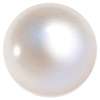
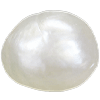
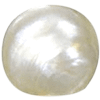
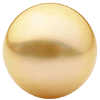
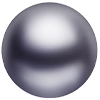
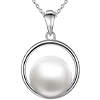










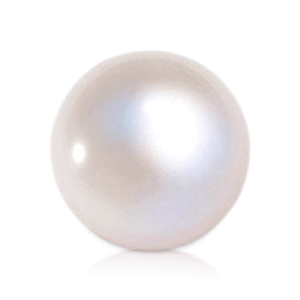
Pearl is one of the most widely worn astrological gemstones in India — and one of the most misunderstood when it comes to what actually qualifies as astrologically effective. Most buyers assume any Pearl — natural or cultured, sea or freshwater — delivers the same Moon energy. This assumption leads to significant disappointment when results do not materialise from a stone that looked beautiful but carried little to no astrological potency.
The difference between a natural sea Pearl, a saltwater cultured Pearl, and a freshwater Pearl is not merely one of price or origin. It is a fundamental difference in how each was formed — and that difference in formation directly determines how much Moon energy the stone carries and how effective it is as an astrological remedy. This guide explains what each type of Pearl actually is, what each one delivers astrologically, and how to make the right choice based on what you genuinely need.
Why Pearl Is Unique Among Astrological Gemstones
Pearl stands apart from all other Navratna gemstones in one fundamental way: it is organic. Ruby, Emerald, Sapphire, and Hessonite are formed through geological processes within the earth over millions of years. A living creature forms Pearl — the oyster or mollusc — in response to an irritant entering its body. Layer by layer, the mollusc coats the irritant with nacre — a crystalline substance composed of calcium carbonate and protein — until a lustrous Pearl is formed.
This organic formation process is what gives Pearl its unique lunar quality in Vedic tradition. The Moon governs water, tides, and all living things that grow and respond to natural cycles. Pearl — formed by a living creature in the sea, shaped by water and organic life — carries a natural resonance with the Moon's energy that no mineral gemstone can fully replicate. Its astrological potency is directly related to how completely and naturally this organic formation process occurred — without human interference.
Natural Sea Pearl — The Most Potent Moon Remedy
A natural Pearl is one that formed entirely without human intervention. An irritant entered the mollusc on its own — without anyone placing it there — and the mollusc responded by coating it with nacre over years or decades until a Pearl formed. The resulting stone is pure nacre throughout — layer after layer of the same organic material, from centre to surface, formed over a long natural formation period.
Natural Pearls are extraordinarily rare. The wild oyster beds that once produced them in abundance — the Persian Gulf, the Gulf of Mannar between India and Sri Lanka, the coasts of Venezuela, and the Red Sea — have been dramatically depleted over centuries of harvesting. True natural Pearls of astrological quality are among the rarest gemstones in the world today.
Basra Pearl — The Most Prized Natural Pearl
Basra Pearl — named for the port city in Iraq through which Persian Gulf Pearls were historically traded — is the most prized and historically significant natural Pearl in Vedic astrological tradition. Formed in the Persian Gulf without any human intervention over many years, Basra Pearls are known for their extraordinary lustre, warm creamy-white to slightly golden tone, and the depth of nacre that comes from years of completely natural formation.
Genuine Basra Pearls are almost impossible to find today — the Persian Gulf oyster beds that produced them have been nearly exhausted. When found, they command exceptional prices and are considered among the finest Moon gemstones available. For buyers fortunate enough to access a certified, genuine Basra Pearl, they represent the highest level of astrological Moon potency.
Other Natural Sea Pearls
Beyond Basra, natural Pearls from the Gulf of Mannar (between India and Sri Lanka) and Venezuela also hold high astrological regard. These, too, are formed entirely without human intervention in natural saltwater environments and carry the full lunar energy of completely natural formation. Like Basra Pearls, they are rare, certified at high cost, and represent the gold standard for pearls as an astrological remedy.
- Astrological potency: Highest — 100% natural nacre, no human intervention
- Formation: Entirely natural — years or decades of uninterrupted nacre coating
- Rarity: Extremely rare — genuine natural Pearls are among the rarest gemstones available
- Price: Highest — natural Pearls can be 10 times more valuable than cultured equivalents of similar size
- Best origins: Basra (Persian Gulf), Gulf of Mannar, Venezuela
Keshi Pearl— Naturally Formed, Uniquely Positioned
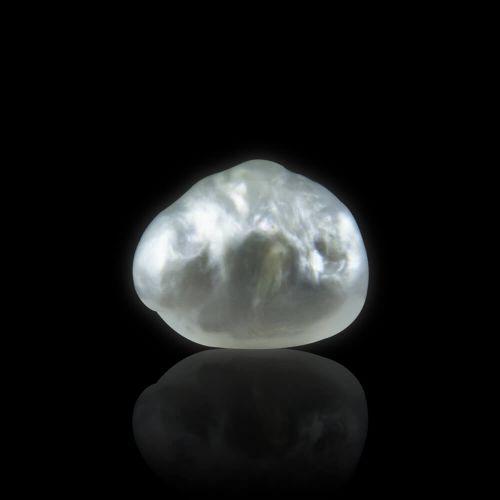
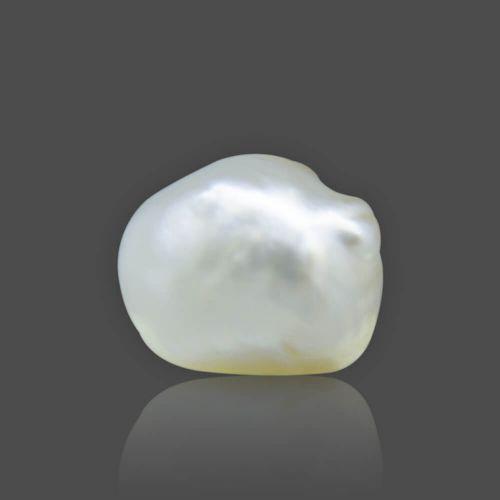
Keshi Pearls occupy a special and often misunderstood position between natural and cultured Pearls. They form as a by-product of the cultured Pearl process — when a mollusc being farmed for cultured Pearl rejects the implanted nucleus, it sometimes continues to produce nacre without the nucleus, forming a small, all-nacre Pearl spontaneously.
The result is a Pearl that is 100% nacre throughout — with no bead nucleus inside — formed by the mollusc's own natural response without a human-placed core. Many gemologists and astrological authorities consider Keshi Pearls to carry significantly stronger astrological potency than standard nucleus-containing cultured Pearls, precisely because it is all nacre, similar to natural Pearls in their composition, even though they formed within a cultured farming environment.
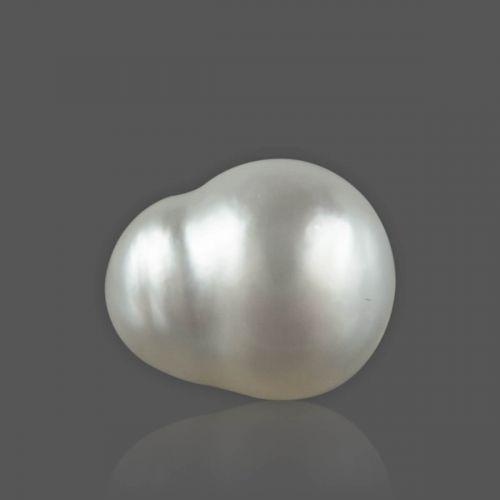
Keshi Pearls are typically irregular in shape — baroque, curved, petal-shaped — rather than round. They are more affordable than natural Pearls but more valued astrologically than standard cultured Pearls. For buyers seeking strong Moon energy at a more accessible price point than genuine natural Pearl, a good quality natural saltwater Keshi Pearl is one of the best available options.
- Astrological potency: High — all-nacre composition, no bead nucleus
- Formation: No nucleus — pure nacre from centre to surface
- Shape: Typically baroque or irregular — not perfectly round
- Price: More accessible than natural Pearl, more valued than standard cultured
Saltwater Cultured Pearl — The Market Standard
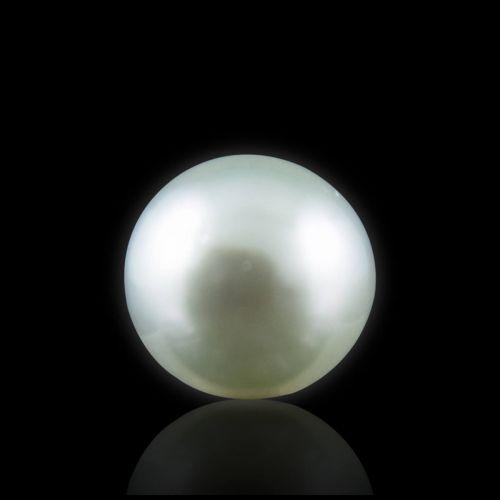
The vast majority of Pearls available in today's market — including most of what is sold as astrological Pearl in India — are saltwater cultured Pearls. The cultured process involves a Pearl farmer inserting a bead nucleus (typically made from mussel shell) into an oyster, which then coats it with nacre over a period of one to three years. The resulting Pearl has a shell bead core covered by a layer of genuine nacre.
Saltwater cultured Pearls are real Pearls — the nacre layer is genuinely formed by the oyster, and it is this nacre layer that carries the Moon energy for astrological purposes. The key variable is nacre thickness — the thicker and more even the nacre layer coating the bead, the stronger the Pearl's astrological resonance. A saltwater cultured Pearl with a thick, well-formed nacre layer from a quality origin carries meaningful Moon energy, even though it is not as potent as a fully natural Pearl.
South Sea Pearl — The Premium Cultured Option
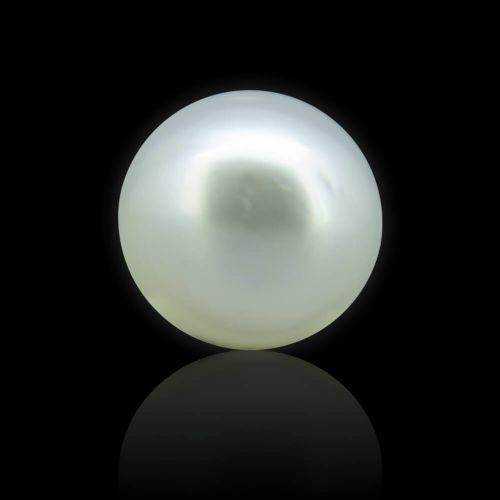
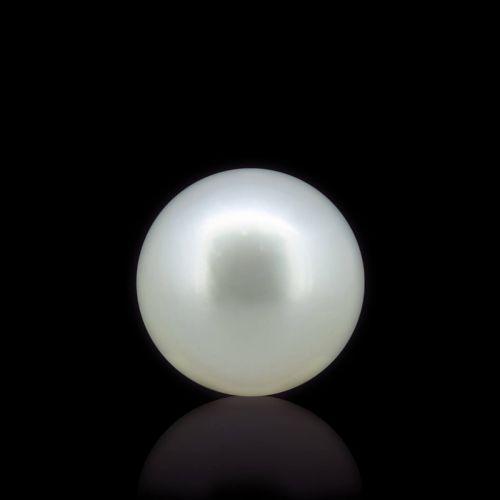
Among saltwater cultured Pearls, South Sea Pearls — grown in the large Pinctada maxima oyster in the pristine waters of Australia, Indonesia, and the Philippines — are considered the finest for astrological use. They are significantly larger than most other cultured Pearl varieties, with thicker nacre layers, exceptional lustre, and the white to silver colour associated with Moon energy in Vedic tradition.
Australian South Sea Pearls in particular — grown in the cleanest ocean waters with careful farming practices — are recognised as the premium cultured Pearl option for astrological purposes. Their substantial nacre thickness, fine lustre, and natural formation environment make them a genuinely effective Moon remedy at a price point significantly more accessible than natural Basra Pearl.
- Astrological potency: Good — thick nacre layer, strong lustre, quality formation environment
- Origins: Australia, Indonesia, Philippines
- Characteristics: Large size, white to silver colour, exceptional lustre
- Price: Premium cultured — more accessible than natural Pearl
Freshwater Pearl — The Astrological Caution
Freshwater Pearls are grown in mussels in rivers and lakes — primarily in China, which dominates global freshwater Pearl production. The freshwater farming process critically differs from saltwater: freshwater mussels are often nucleated with a piece of mantle tissue rather than a bead, and can produce multiple Pearls simultaneously per mussel. This accelerated production process results in Pearls that are largely nacre, but the rapid formation, freshwater environment, and mass production conditions significantly reduce their astrological resonance.
Freshwater Pearls are widely available, very affordable, and visually attractive. They come in a wide range of shapes, sizes, and colours. For jewellery purposes, they are excellent value. For astrological purposes, however, their potency is significantly lower than saltwater Pearls — natural or cultured. The freshwater environment, faster formation period, and mass production conditions result in a Pearl that carries minimal Moon energy in Vedic astrological terms.
A freshwater Pearl worn as an astrological remedy for Moon strengthening is unlikely to deliver meaningful results. For general well-being and gentle emotional support, it may provide some benefit — but for the deeper planetary Moon remedy that an afflicted chart requires, a saltwater Pearl of appropriate quality is the correct choice.
- Astrological potency: Low — freshwater environment, rapid formation, minimal Moon resonance
- Formation: Rivers and lakes — primarily in China
- Characteristics: Wide colour range, irregular shapes, lower lustre than saltwater
- Price: Most affordable Pearl variety
- Best use: Jewellery — not recommended as primary astrological Moon remedy
For astrological use, always specify saltwater Pearl — natural or cultured. Natural sea Pearl (Basra, Gulf of Mannar, Venezuela), Keshi Pearl, or South Sea cultured Pearl are all appropriate for Moon gemstone therapy. Freshwater Pearl should not be used as the primary astrological remedy for Moon strengthening.
The Nacre Principle — Why Formation Method Determines Astrological Potency
The common thread connecting all Pearl quality assessments for astrological use is nacre — the organic crystalline substance that the mollusc produces and that gives Pearl its lustre, its character, and its astrological energy. The more nacre a Pearl contains, the thicker and more even its coating, and the more natural and undisturbed its formation process, the stronger its Moon energy.
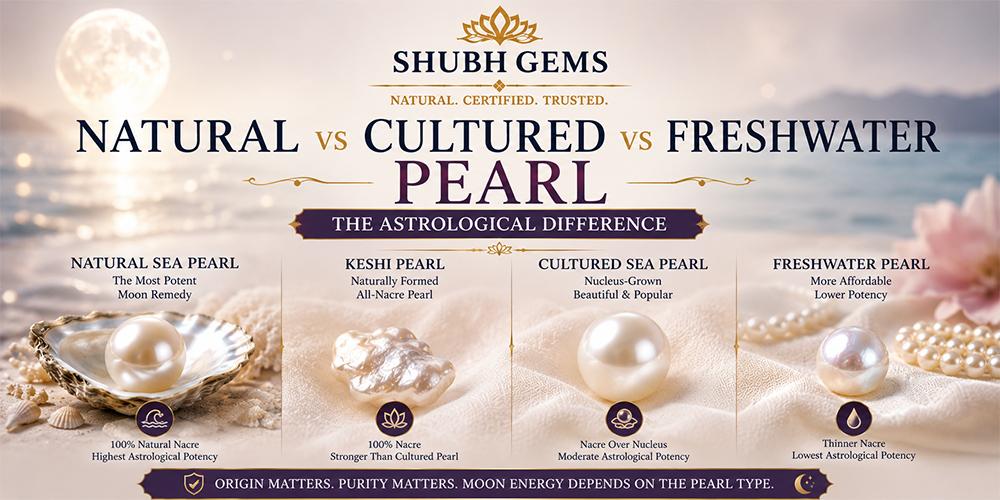
Natural Pearl: 100% nacre, years of natural formation — strongest Moon energy. Keshi Pearl: 100% nacre, formed naturally without a nucleus — very strong Moon energy. South Sea cultured Pearl: thick nacre over bead nucleus, quality saltwater environment — good Moon energy. Standard cultured Pearl: nacre over bead nucleus, varies by thickness — moderate Moon energy. Freshwater Pearl: fast formation, freshwater environment, minimal nacre quality — weak Moon energy.
When evaluating any Pearl for astrological purchase, ask specifically about nacre thickness and formation type. A good saltwater cultured Pearl with substantial nacre from a quality farming environment is a genuine and effective Moon remedy. A thin-nacred cultured Pearl or a freshwater Pearl is not.
At Shubh Gems, we stock natural sea Pearl, Keshi Pearl, and quality South Sea cultured Pearl — all verified for natural origin and appropriate nacre quality for astrological use. Our Astro Vedic Experts confirm chart suitability. Our Gemstone Consultants guide the right Pearl type and quality within your budget. Connect at shubhgems.com/astro-advice or call +91-8010-555-111.
Wearing Pearl Correctly — Key Requirements
- Natural origin confirmed: Certificate from IIGJ, IGI, GIA, GJI, or GII confirming natural Pearl origin. Never imitation or synthetic.
- Metal: Silver only — open-back setting so Pearl touches skin directly
- Finger: Little finger (Kanishtika) of the right hand — or as a pendant
- Day: Monday (Somvar) morning during Shukla Paksha, within 2 hours of sunrise
- Mantra: Om Shraam Shreem Shraum Sah Chandraya Namah — 108 times before wearing
- Care: Never expose to perfume, hairspray, acids, or harsh chemicals. Clean with a soft damp cloth only — never immerse in water or chemical solutions. Store separately from harder stones.
- Regional names: Moti (Hindi/Urdu), Mukta (Sanskrit), Muthu (Tamil/Malayalam), Mutyalu (Telugu), Margarita (Bengali)
Frequently Asked Questions
Is a cultured Pearl astrologically effective, or should I only use a natural Pearl?
A quality saltwater cultured Pearl — particularly a South Sea Pearl with thick nacre — is genuinely effective as an astrological Moon remedy. The nacre layer formed by the oyster carries real Moon energy, even when covering a bead nucleus. The difference is in potency: natural Pearl carries stronger, more direct Moon energy because it is entirely nacre throughout. A cultured Pearl with good nacre thickness is a legitimate and effective option, particularly for buyers for whom a genuine natural Pearl is inaccessible due to price. What should never be used as an astrological Moon remedy is a freshwater Pearl or an imitation Pearl.
What is a Keshi Pearl, and is it better than a cultured Pearl astrologically?
Keshi Pearl forms when a mollusc rejects the implanted nucleus during the culturing process and continues producing nacre without a core, resulting in a 100% nacre Pearl, similar in composition to a natural Pearl. Most astrological authorities consider Keshi Pearl significantly more potent than standard nucleus-containing cultured Pearl for this reason. It is not as rare or as expensive as a genuine natural Pearl, but it carries considerably stronger Moon energy than a standard cultured Pearl. For buyers seeking strong Moon energy at a more accessible price than natural Pearl, quality saltwater Keshi Pearl is an excellent option.
The Pearl I bought is very affordable. Should I be concerned about its astrological effectiveness?
Very low-priced Pearls warrant scrutiny for astrological use. Genuine natural Pearl commands premium prices reflecting its rarity. Quality saltwater cultured Pearl with good nacre is priced above freshwater Pearl. A Pearl priced at very low levels is almost certainly either a freshwater Pearl — which carries minimal astrological potency — or an imitation Pearl, which carries none. Have the Pearl tested at a recognised laboratory to confirm it is a natural saltwater Pearl with appropriate nacre. Never use imitation Pearl as an astrological remedy under any circumstances.
Can I wear Pearl as a pendant instead of a ring?
Yes — Pearl worn as a pendant is equally effective as a ring, provided it is set with an open back so it touches skin directly. A pendant is often preferred for Pearl specifically because it is a relatively soft organic gem (hardness 2.5 to 4.5) that can be scratched by contact with harder surfaces during daily activity. A pendant worn close to the heart, on a silver chain, is a beautiful and astrologically effective form for Pearl. For children whose astrologer recommends Pearl, a pendant is particularly appropriate.
Final Thoughts
Pearl is unique among astrological gemstones — organic, formed by a living creature, and shaped by the natural environment in which it grew. Its astrological potency is directly tied to the completeness and naturalness of that formation process. Natural sea Pearl carries the strongest Moon energy. Keshi Pearl follows closely. Quality saltwater cultured Pearl is genuinely effective with good nacre. Freshwater Pearl, however beautiful, is not the right tool for meaningful Moon gemstone therapy.
At Shubh Gems, every Pearl we recommend for astrological use is verified for natural saltwater origin and appropriate nacre quality. Our Astro Vedic Experts confirm chart suitability before any Pearl recommendation. Our Gemstone Consultants help you identify the right Pearl type and quality within your budget — so the Moon remedy you wear is genuinely what your chart needs.



Thoughts