 +91 - 8010-555-111
 INR
INR  AUD - Australian Dollar
  BHD - Bahraini Dinar
  GBP - British Pound
  CAD - Canadian Dollar
  EUR - Euro
  HKD - Hong Kong Dollar
  IDR - Indonesian Rupiah
  ILS - Israeli New Shekel
  JPY - Japanese Yen
  KWD - Kuwaiti Dinar
  MYR - Malaysian Ringgit
  MUR - Mauritian Rupee
  NZD - New Zealand Dollar
  OMR - Omani Rial
  PHP - Philippine Peso
  QAR - Qatari Riyal
  SAR - Saudi Riyal
  SGD - Singapore Dollar
  CHF - Swiss Franc
  USD - US Dollar
  AED - United Arab Emirates Dirham
  VND - Vietnamese Dong




























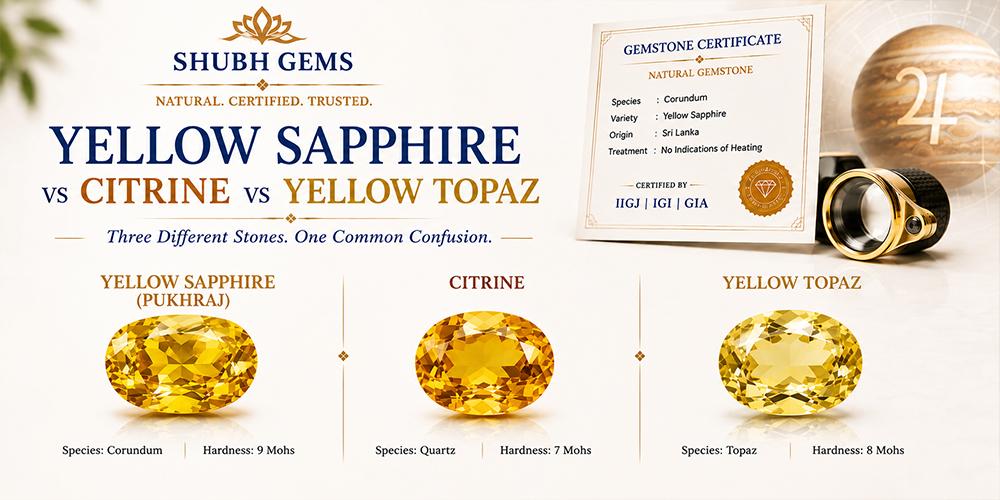
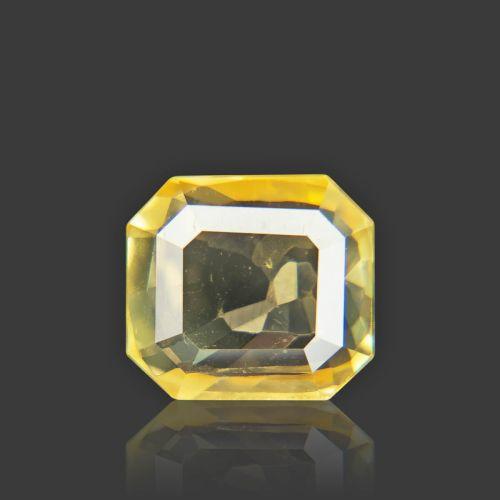
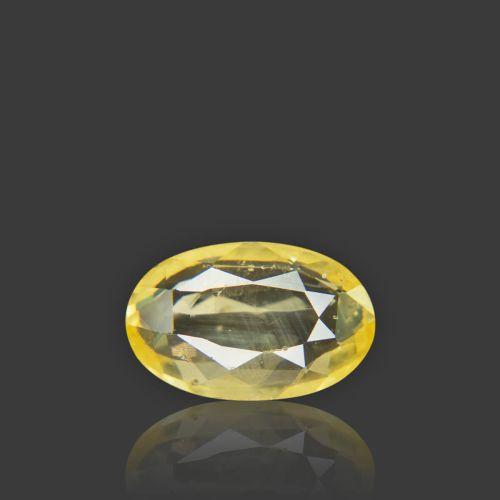
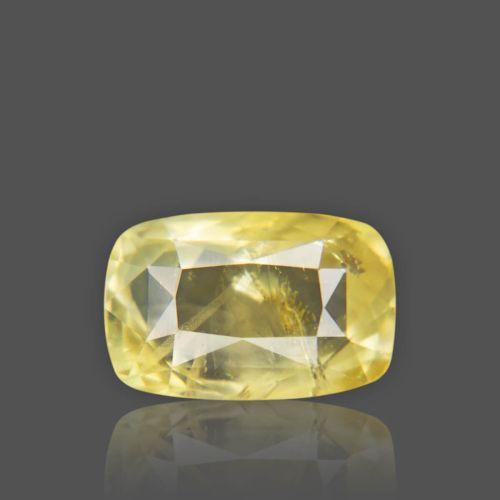
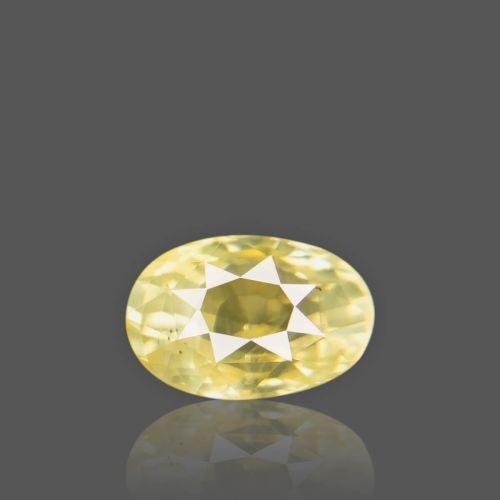
Walk into many gemstone shops in India and ask for a Yellow Sapphire. What you receive — sometimes knowingly, sometimes not — is often a Citrine or Yellow Topaz. The colour is similar, the appearance is attractive, and the price is significantly lower. The seller may call it Yellow Sapphire. They may even call it Yellow Topaz, thinking that is the same as Citrine. And the buyer, unless they know the difference, walks away with a stone that will deliver a fraction of the astrological result they paid for.
This confusion between Yellow Sapphire, Citrine, and Yellow Topaz is one of the most widespread in the Indian astrological gemstone market. This guide resolves it completely — explaining what each stone actually is, how they differ, what each one can and cannot do astrologically, and how to make sure you are buying what you intend to buy.
The Most Important Thing to Understand First
Yellow Sapphire, Citrine, and Yellow Topaz are three completely different mineral species. They share one thing: their colour and general appearance. Everything else — their chemical composition, their physical properties, their geological origin, their rarity, their price, and their astrological significance — is entirely different.
This similarity in colour is the entire basis of the confusion. In the gemstone market — particularly in wholesale and retail channels where astrological knowledge is limited — these three stones are frequently conflated, substituted for each other, and sometimes deliberately misrepresented. Knowing what separates them is the most important knowledge any Yellow Sapphire buyer can have.
Yellow Sapphire (Pukhraj) — The Astrological Standard
What It Is
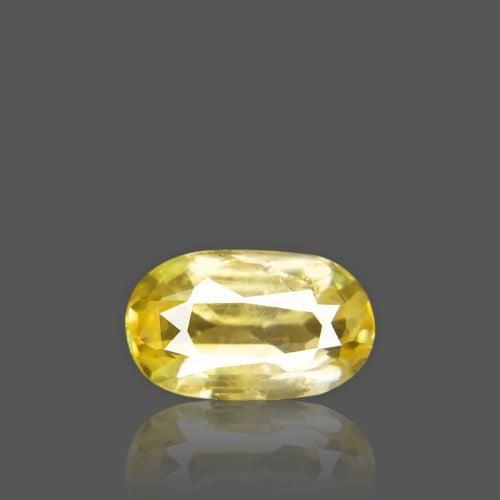
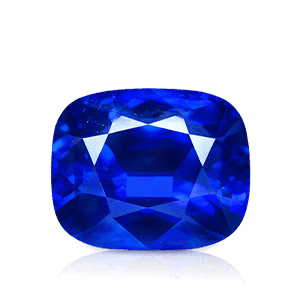
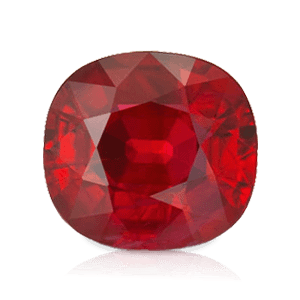
Yellow Sapphire — known as Pukhraj in Hindi — belongs to the Corundum mineral family. It is the same mineral species as Blue Sapphire and Ruby, differing only in colour due to trace elements present during formation. Corundum is one of the hardest minerals on earth, rated 9 on the Mohs hardness scale — second only to Diamond. This extraordinary hardness, combined with its brilliant lustre and rich colour, makes Yellow Sapphire one of the most valued precious gemstones in the world.
The finest quality Yellow Sapphire comes from Ceylon (Sri Lanka) — specifically from the Ratnapura region, historically known as the City of Gems. Ceylon Yellow Sapphire is the benchmark for astrological quality — valued for its characteristic golden to canary yellow colour, excellent transparency, and the natural lustre that reflects its Corundum crystal structure.
- Mineral species: Corundum | Hardness: 9 on Mohs scale
- Best origin: Ceylon (Sri Lanka)
- Price range: ₹5,000 to several lakhs per carat depending on quality, origin, and size
- Certificate: Must say Species: Corundum, Variety: Yellow Sapphire
Its Astrological Significance
Yellow Sapphire is one of the most important and widely worn gemstones in Vedic astrology. It is the primary Navratna stone for Jupiter (Guru) — the planet of wisdom, abundance, fortune, expansion, higher knowledge, and auspicious blessings. Jupiter is universally considered a benefic planet in Vedic astrology, and Yellow Sapphire is its most direct and powerful planetary conduit.
For this reason, Yellow Sapphire is one of the most popular astrological gemstones in India. It is widely recommended for career growth and new opportunities, delayed marriage (particularly for women where Jupiter is the Karaka of husband), financial prosperity, educational success, and overall life expansion. A genuine, natural, unheated Yellow Sapphire correctly prescribed for the individual Kundali is one of the most consistently effective astrological gemstones available.
The key requirement: Yellow Sapphire must be natural and unheated to work at its full astrological potential. Heat treatment — extremely common in the Yellow Sapphire market, particularly from Bangkok sources — destroys the stone's natural Jupiter energy. Always insist on a certificate confirming No indications of heating.
Citrine — The Astrological Substitute
What It Is
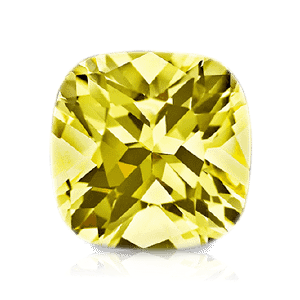
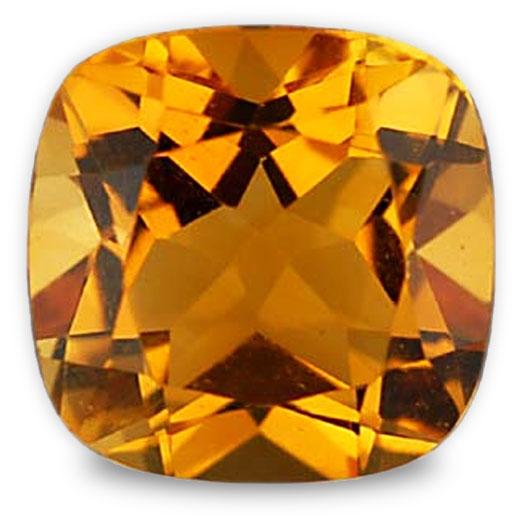
Citrine is a variety of Quartz — one of the most abundant mineral families on earth. Its yellow to orange-yellow colour comes from iron impurities within the Quartz crystal structure. Citrine is significantly softer than Yellow Sapphire, rated 7 on the Mohs hardness scale, and has a fundamentally different chemical composition, crystal structure, and physical character. The finest quality Citrine comes from Brazil.
It is a beautiful, affordable, and widely available gemstone used extensively in jewellery and — importantly — as one of the most popular healing crystals in the world. Its warm golden colour, transparency, and accessibility make it a beloved stone in its own right.
One of the most widespread confusions in the Indian market is calling Citrine "Yellow Topaz." This is incorrect — Citrine and Yellow Topaz are two entirely different minerals. Calling Citrine by the name Yellow Topaz does not make it Yellow Topaz, just as calling it Yellow Sapphire does not make it Yellow Sapphire. The name does not change the mineral.
- Mineral species: Quartz | Hardness: 7 on Mohs scale
- Best origin: Brazil
- Price range: ₹200 to ₹4,000 per carat depending on quality
- Certificate: Will say Species: Quartz, Variety: Citrine — not Corundum
Its Astrological Position
Citrine is recognised in Vedic astrology as an astrological substitute (Uparatna) for Yellow Sapphire — not as an equivalent, but as a milder alternative for those for whom genuine Yellow Sapphire is not accessible due to budget. As a Quartz variety, Citrine carries a gentle resonance with Jupiter's energy — not the full, direct planetary transmission of a Corundum Yellow Sapphire, but a softer, more accessible version of similar energy.
The astrological effects of Citrine are milder and slower compared to Yellow Sapphire. Where a genuine Yellow Sapphire may produce noticeable results over weeks or months, Citrine typically works more gradually and with less intensity. For someone seeking meaningful astrological results from a Jupiter remedy, Citrine is a starting point or a budget alternative — not a like-for-like substitute for Yellow Sapphire.
Citrine is also one of the most widely used healing crystals globally — valued for its association with positivity, abundance, and mental clarity. In this healing crystal context, it is used independently of Vedic astrological prescription. It is a genuine, valuable stone in its own right — the problem arises only when it is sold as or mistaken for Yellow Sapphire.
Citrine is a legitimate astrological substitute (Uparatna) for Yellow Sapphire — recognised as such in Vedic tradition. But it must be sold and presented as Citrine at Citrine's price, not presented as Yellow Sapphire at Yellow Sapphire's price. Paying Yellow Sapphire prices for Citrine is where the buyer is cheated — not in Citrine's existence as a substitute.
Yellow Topaz — The Third Stone in the Confusion
What It Is
Yellow Topaz is a completely separate mineral species — neither Corundum nor Quartz. It belongs to the Topaz mineral family and has its own distinct chemical composition, physical properties, and crystal structure. Yellow Topaz has a hardness of 8 on the Mohs scale — harder than Citrine but softer than Yellow Sapphire — and a characteristic brilliance that comes from its high refractive index.
In the Indian gemstone market, Yellow Topaz and Citrine are frequently confused with each other, and both are sometimes called by the other's name. This confusion is so entrenched that many sellers use the names interchangeably — calling Citrine "Yellow Topaz" and Yellow Topaz "Citrine" without realising these are different stones. They are not. They are mineralogically distinct, with different properties and different astrological positions.
- Mineral species: Topaz | Hardness: 8 on Mohs scale
- Certificate: Will say Species: Topaz — not Corundum or Quartz
Its Astrological Position
Yellow Topaz is also recognised as an astrological substitute for Yellow Sapphire in some Vedic traditions — similar to Citrine but with slightly different characteristics. Like Citrine, it carries milder Jupiter energy than genuine Yellow Sapphire and is positioned as a more accessible alternative rather than an equivalent. The critical point: Yellow Topaz and Citrine are substitutes for Yellow Sapphire — they are not Yellow Sapphire. A substitute is appropriate when the primary stone is genuinely inaccessible. It is not appropriate when it is presented or sold as the primary stone itself.
Side by Side — The Key Differences
Chemical and Physical Differences
- Yellow Sapphire (Corundum): Aluminium oxide — extremely hard (9 Mohs), dense, brilliant
- Citrine (Quartz): Silicon dioxide — moderately hard (7 Mohs), lighter in weight for the same size
- Yellow Topaz (Topaz): Aluminium fluorosilicate — hard (8 Mohs), distinctive brilliance
Appearance Differences
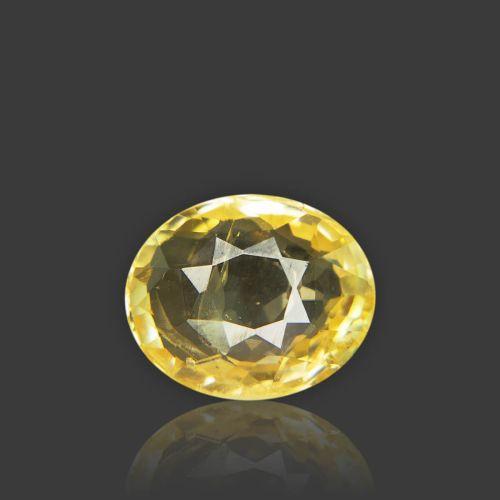
Colour is the only characteristic these three stones genuinely share. Under careful examination, there are meaningful visual differences. Inclusions: Yellow Sapphire, as a naturally formed precious gemstone, typically contains natural inclusions — silk needles, fingerprint patterns, crystal inclusions. These are proof of natural geological formation. Citrine, as a more abundant Quartz variety, tends to be more internally clean and transparent — often more visually perfect than Yellow Sapphire. This is one reason Citrine can be mistaken for high-quality Yellow Sapphire: its cleaner appearance makes it look "better" to an untrained eye.
Lustre: Yellow Sapphire has a bright, adamantine to vitreous lustre characteristic of Corundum. Citrine has a vitreous (glassy) lustre typical of Quartz. To a trained eye, these differ, but to most buyers the difference is subtle.
Weight: Corundum (Yellow Sapphire) is denser than Quartz (Citrine). A Citrine of the same visual size as a Yellow Sapphire will feel lighter in the hand. This is a subtle physical difference, but one experienced gemologists use.
The honest answer is that most buyers cannot reliably distinguish Yellow Sapphire from Citrine or Yellow Topaz by visual examination alone. The colour and general appearance are too similar. This is exactly why laboratory certification is the only reliable protection.
Astrological Differences
- Yellow Sapphire: Primary Navratna stone for Jupiter — full, direct planetary energy. The most powerful and direct Jupiter remedy in Vedic gemstone therapy.
- Citrine: Recognised Uparatna (substitute) for Jupiter — milder astrological energy, slower and less intense results. A legitimate starting point or budget alternative.
- Yellow Topaz: Substitute for Jupiter in some traditions — milder than Yellow Sapphire, similar positioning to Citrine.
Price Differences
- Yellow Sapphire (Ceylon, unheated): ₹5,000 to several lakhs per carat depending on quality and origin
- Citrine (natural, good quality): ₹200 to ₹4,000 per carat
- Yellow Topaz (natural): Typically between Citrine and Yellow Sapphire pricing
The price gap between Citrine and Yellow Sapphire is enormous — and this gap is where the malpractice happens. A seller who prices Citrine at Yellow Sapphire rates — whether calling it Yellow Sapphire directly or allowing the buyer to assume it is — is charging 10 to 100 times the genuine value of what they are selling. This is where buyers are genuinely cheated.
How to Make Sure You Are Getting What You Pay For
The only reliable protection is a certificate from a recognised independent gemological laboratory — IIGJ, IGI, GIA, GJI, or GII. The certificate's Species field tells you definitively what mineral you have:
- Species: Corundum, Variety: Yellow Sapphire — this is genuine Yellow Sapphire
- Species: Quartz, Variety: Citrine — this is Citrine, not Yellow Sapphire
- Species: Topaz — this is Yellow Topaz, not Yellow Sapphire
No verbal assurance, no seller's confidence, no attractive packaging changes what the Species field on the certificate says. If a seller claims the stone is Yellow Sapphire but the certificate says Quartz — you have Citrine, not Yellow Sapphire. Walk away.
Also check the Treatment field: for genuine Yellow Sapphire to be astrologically effective, it must say No indications of heating, Unheated, or No treatment. A Yellow Sapphire certificate that discloses heat treatment confirms the stone is natural Corundum but has been treated — making it unsuitable for astrological use regardless of its visual quality.
At Shubh Gems, every Yellow Sapphire we sell is certified by IIGJ, IGI, GIA, GJI, or GII, with Species confirmed as Corundum and treatment status confirmed as unheated. Our Gemstone Consultants explain exactly what the certificate means and guide you on quality selection within your budget. Connect at shubhgems.com/astro-advice or call +91-8010-555-111.
Should You Wear Citrine If You Cannot Afford Yellow Sapphire?
This is a genuinely practical question and deserves an honest answer. If your Kundali indicates Yellow Sapphire is the right stone for your Jupiter and your budget does not extend to a genuine natural unheated Yellow Sapphire, there are two options worth considering:
- A smaller genuine Yellow Sapphire of good quality: A smaller natural unheated Yellow Sapphire of excellent quality will always outperform a larger Citrine astrologically. Even a 2–3 Ratti genuine Yellow Sapphire of good colour and clarity is a stronger Jupiter remedy than a much larger Citrine. Our Gemstone Consultants can help you find the best genuine quality at your budget.
- Citrine as a genuine substitute: If even a small genuine Yellow Sapphire is genuinely outside reach, Citrine worn as a conscious, informed substitute — at Citrine's correct price, presented as Citrine — is a legitimate option recognised in Vedic tradition. The key is that you know you are wearing Citrine as a substitute, and you pay Citrine's price for it. Never pay Yellow Sapphire prices for Citrine.
The problem is never in choosing Citrine honestly as a substitute. The problem is in being sold Citrine at Yellow Sapphire prices while being told — or allowed to believe — it is Yellow Sapphire. Speak with Shubh Gems' Astro Vedic Experts for a free Kundali consultation to confirm whether Yellow Sapphire is the right stone for your chart, and with our Gemstone Consultants to find the best genuine quality within your budget. Connect at shubhgems.com/astro-advice or call +91-8010-555-111.
Frequently Asked Questions
My seller called it Yellow Topaz but said it works like Yellow Sapphire. Is that true?
No. Yellow Topaz and Yellow Sapphire are two completely different mineral species with different chemical compositions, physical properties, and astrological significance. Yellow Topaz may be recognised as a substitute (Uparatna) for Jupiter in some Vedic traditions — similar to Citrine — but it is not Yellow Sapphire and does not deliver the same astrological results. If you were told Yellow Topaz works like Yellow Sapphire, the seller either does not understand the difference or is being misleading. Always check the Species field on the certificate.
Citrine looks cleaner and more beautiful than the Yellow Sapphire I was shown. Does that mean the Citrine is better quality?
No — and this is one of the most important points in this entire guide. Citrine's cleaner, more transparent appearance is a characteristic of the Quartz mineral family — not a sign of superior quality. Natural Yellow Sapphire typically contains inclusions because it is a genuine geological formation created over millions of years under intense conditions. A Yellow Sapphire with natural inclusions is not inferior — it is natural. A completely clean, inclusion-free stone at a low price is more likely Citrine or synthetic than a rare high-quality Yellow Sapphire.
I have been wearing what I was told is Yellow Sapphire for two years with no visible results. Could it be Citrine?
It is possible. Take the stone and its certificate to the nearest branch of IIGJ, IGI, GIA, GJI, or GII for independent testing. Ask the laboratory to confirm the Species and Variety. If the result says Quartz/Citrine or Topaz rather than Corundum/Yellow Sapphire, you have been wearing a substitute — and you now know why the results were limited or absent. A genuine, correctly prescribed, natural unheated Yellow Sapphire delivers noticeably stronger astrological effects than Citrine.
Can Citrine be genuinely recommended for Jupiter in Vedic astrology?
Yes — Citrine is recognised as a legitimate Uparatna (substitute) for Jupiter in Vedic tradition, particularly when Yellow Sapphire is genuinely inaccessible due to budget. The key distinctions: it must be presented as Citrine, priced as Citrine, and the buyer must understand they are wearing a substitute with milder effects — not the primary stone. At Shubh Gems, we stock natural Citrine as a substitute option for those for whom genuine Yellow Sapphire is not accessible, always presented with complete transparency about what it is and what it can and cannot do.
How do I confirm whether my stone is Yellow Sapphire, Citrine, or Yellow Topaz?
The certificate is the answer. Check the Species field: Corundum confirms Yellow Sapphire, Quartz confirms Citrine, Topaz confirms Yellow Topaz. If your stone does not have a certificate from a recognised laboratory, take it to IIGJ, IGI, GIA, GJI, or GII for independent testing. This is the only reliable way to confirm what mineral you actually have. Visual inspection alone — even by experienced buyers — cannot reliably distinguish these three stones from each other.
Final Thoughts
Yellow Sapphire, Citrine, and Yellow Topaz share a colour. That is where the similarity ends. They are three different minerals, with different properties, different origins, vastly different prices, and very different astrological significance. The confusion between them — whether innocent or deliberate — is one of the most consequential in the astrological gemstone market.
At Shubh Gems, every Yellow Sapphire we sell is certified Corundum, confirmed unheated, and sourced primarily from Ceylon. Every Citrine we stock is presented as Citrine at Citrine's price, with complete transparency about its substitute status. Because genuine guidance — knowing exactly what you are wearing and why — is what makes astrological gemstone therapy work.



Thoughts