 +91 - 8010-555-111
 INR
INR  AUD - Australian Dollar
  BHD - Bahraini Dinar
  GBP - British Pound
  CAD - Canadian Dollar
  EUR - Euro
  HKD - Hong Kong Dollar
  IDR - Indonesian Rupiah
  ILS - Israeli New Shekel
  JPY - Japanese Yen
  KWD - Kuwaiti Dinar
  MYR - Malaysian Ringgit
  MUR - Mauritian Rupee
  NZD - New Zealand Dollar
  OMR - Omani Rial
  PHP - Philippine Peso
  QAR - Qatari Riyal
  SAR - Saudi Riyal
  SGD - Singapore Dollar
  CHF - Swiss Franc
  USD - US Dollar
  AED - United Arab Emirates Dirham
  VND - Vietnamese Dong




































One of the most common questions we receive at Shubh Gems is: 'I am already wearing Yellow Sapphire — can I add Red Coral?' Or: 'My astrologer recommended Blue Sapphire, but I wear Ruby. Is that a problem?' Gemstone combinations generate enormous curiosity — and equally enormous confusion — among astrological gemstone buyers in India.
The short answer is: yes, astrological gemstones can be worn in combinations — but only when the combination is suitable for your specific Kundali. The right combination can amplify the benefits of both stones. The wrong one can create conflicting energies that disrupt rather than support you.
This guide covers the widely accepted, well-established principles of gemstone compatibility — the combinations that most astrologers agree on, and the combinations most consistently advised against. We have deliberately kept this guide conservative, covering only what is broadly accepted across Vedic astrology traditions. For combinations that have nuance or debate across different schools, we strongly recommend personal Kundali consultation before making any decision.
Everything in this guide represents general principles based on widely accepted Vedic astrology traditions. These are not personalised prescriptions. Every combination must be evaluated in the context of your specific birth chart — Lagna, planetary placements, house rulerships, and current Mahadasha — by a qualified Vedic astrologer or Astro Vedic Expert before wearing.
The Principle Behind Gemstone Combinations — Planetary Friendship
In Vedic astrology, each of the nine planets (Navagraha) has natural relationships with the others — some are natural friends, some are natural enemies, and some are neutral. These relationships are called Graha Maitri and form the primary basis for determining which gemstone combinations are harmonious.
The universally accepted principle is straightforward: gemstones of naturally friendly planets generally support each other when worn together. Gemstones of naturally enemy planets create conflicting energies and should not be worn together.
Below are the natural planetary relationships that are widely accepted and consistently recognised across major Vedic astrology traditions:
Widely Accepted Natural Planetary Friendships
- Sun is friends with: Moon, Mars, Jupiter
- Moon is friends with: Sun, Mercury
- Mars is friends with: Sun, Moon, Jupiter
- Jupiter is friends with: Sun, Moon, Mars
- Mercury is friends with: Sun, Venus
- Venus is friends with: Mercury, Saturn
- Saturn is friends with: Mercury, Venus
Widely Accepted Natural Planetary Enmities
- Sun is enemy with: Venus, Saturn
- Moon is enemy with: Rahu, Ketu (shadow planets)
- Mars is enemy with: Rahu (shadow planet)
- Jupiter is enemy with: Venus
- Saturn is enemy with: Sun, Moon, Mars
Rahu and Ketu are shadow planets — their natural relationships vary across different classical schools and are more complex than those of the seven visible planets. Their gemstone combinations (Hessonite and Cat's Eye) are therefore always subject to individual chart analysis and should never be decided on general principles alone.
These are the relationships that are consistent and broadly agreed upon. Planetary combinations with contested or school-dependent relationships — such as the Sun-Mercury dynamic — are not included in the combination recommendations below, because they require individual chart evaluation rather than general guidance.
Not sure which combination is right for your specific chart? Shubh Gems' Astro Vedic Experts analyse your complete Kundali and provide personalised gemstone combination guidance based on your Lagna and planetary placements. Connect for a free consultation at shubhgems.com/astro-advice.
Gemstone Combinations That Are Widely Recommended
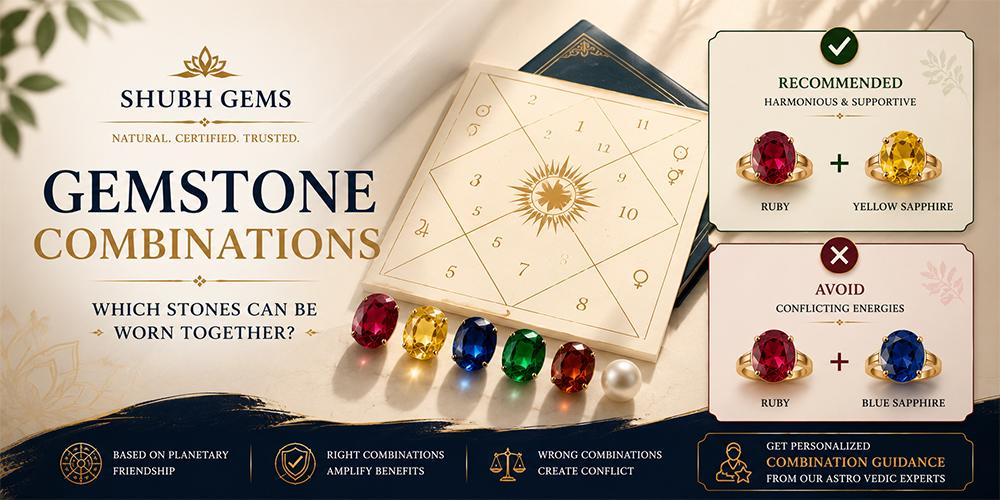
The following combinations are based on well-established planetary friendships and are widely recommended by Vedic astrologers. They can amplify the benefits of both stones when both are astrologically suitable for the individual. Always confirm suitability in your specific Kundali before wearing any combination.
Ruby and Yellow Sapphire — Sun and Jupiter
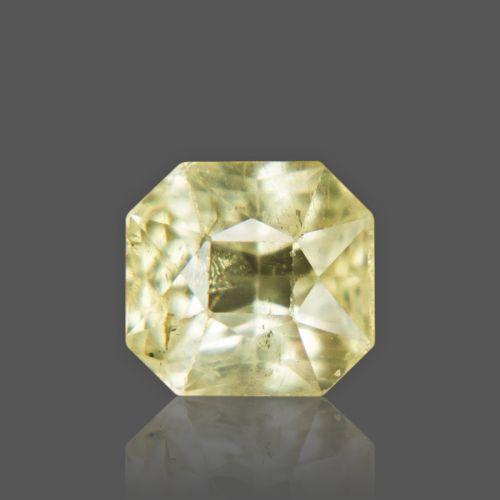
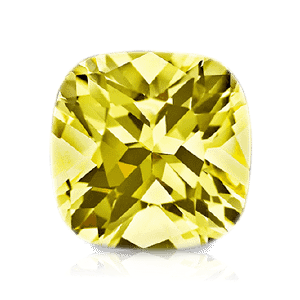
Sun and Jupiter are natural friends — both benefic planets with complementary energies. Ruby (Manik) and Yellow Sapphire (Pukhraj) together are one of the most widely recommended and auspicious gemstone combinations in Vedic astrology. Sun governs authority, leadership, confidence, and vitality. Jupiter governs wisdom, fortune, abundance, and higher knowledge. Together they support career success, recognition, financial growth, and strong personal authority. This combination is particularly powerful for Leo Ascendant, where both planets are highly auspicious, and for women seeking clarity in marriage matters, as Jupiter is the natural significator of husband in a woman's chart.
Ruby and Red Coral — Sun and Mars
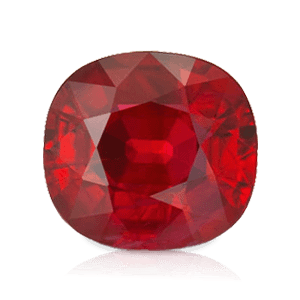
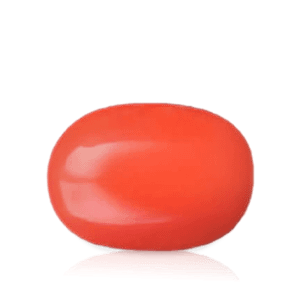
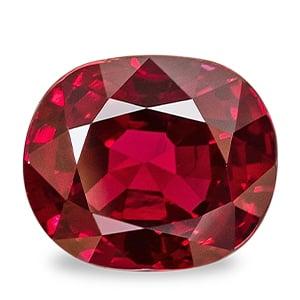
Sun and Mars are natural friends — both fiery, energetic planets. Ruby (Manik) and Red Coral (Moonga) together strengthen confidence, courage, physical vitality, and leadership. This combination is widely recommended for those in defence, athletics, surgery, law enforcement, and leadership roles. It is well-suited for Aries and Leo Ascendants where both Sun and Mars are naturally auspicious. The combination energises both the soul (Sun) and the drive to act (Mars) simultaneously.
Yellow Sapphire and Red Coral — Jupiter and Mars
Jupiter and Mars are natural friends. Yellow Sapphire (Pukhraj) and Red Coral (Moonga) combine wisdom with action and fortune with courage. This is one of the most commonly recommended two-stone combinations and is considered particularly auspicious for financial stability, career growth, and overcoming obstacles. It is widely recommended for Aries, Cancer, Leo, and Scorpio Ascendants in which both Jupiter and Mars occupy auspicious houses.
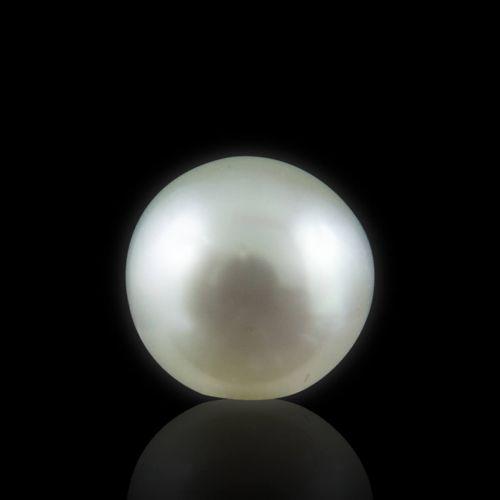
Yellow Sapphire and Pearl — Jupiter and Moon
Jupiter and Moon are natural friends. Yellow Sapphire (Pukhraj) and Pearl (Moti) together support wisdom, emotional stability, financial prosperity, and family harmony. Jupiter governs abundance and higher knowledge; Moon governs the mind and emotional wellbeing. This is a particularly nurturing combination — beneficial for mental peace alongside material growth. It is widely recommended for Cancer Ascendant and for those experiencing emotional turbulence alongside financial challenges.
Yellow Sapphire and Ruby — Jupiter and Sun (Marriage and Authority)
This combination deserves a special mention beyond its general auspiciousness. Jupiter is the natural Karaka (significator) of husband in a woman's horoscope, while Sun governs the soul and self-confidence. For women experiencing delays in marriage or seeking clarity in relationships, the combination of Yellow Sapphire (Pukhraj) and Ruby (Manik) is widely recommended by Vedic astrologers — subject always to individual chart suitability. This is one of the most sought-after combinations for marriage-related astrological goals.
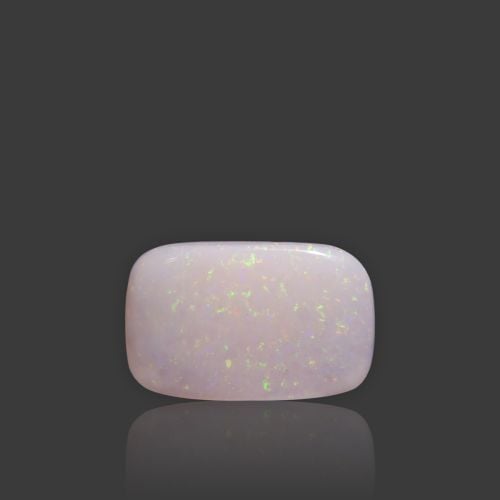
Blue Sapphire and Diamond or Opal — Saturn and Venus
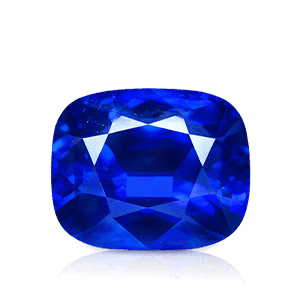
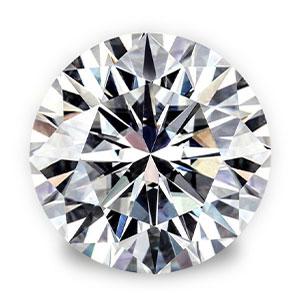
Saturn and Venus are natural friends — a friendship that is consistent across classical Vedic astrology texts. Blue Sapphire (Neelam) and Diamond or Opal (Venus gemstones) can be worn together when both are astrologically suitable in the chart. This combination supports material success, creative expression, and relationship stability. It is particularly relevant for Taurus and Libra Ascendants where Venus is the Lagna lord, and for Capricorn and Aquarius Ascendants where Saturn is the Lagna lord.
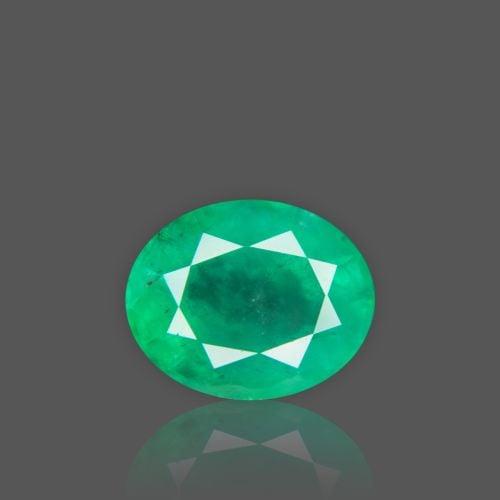
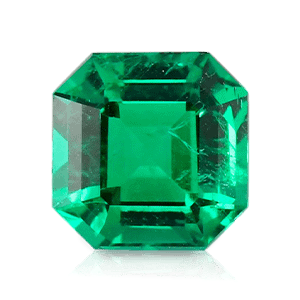
Blue Sapphire and Emerald — Saturn and Mercury
Saturn and Mercury are natural friends. Blue Sapphire (Neelam) and Emerald (Panna) together can be a strong combination for career growth, business intelligence, and communication. Saturn brings discipline, persistence, and long-term thinking. Mercury brings analytical sharpness, communication ability, and business acumen. This combination is widely recommended for professionals in technology, finance, media, and analytical fields — particularly for Capricorn, Aquarius, Gemini, and Virgo Ascendants where both planets tend to hold auspicious house positions.
Want to know if any of these combinations suit your specific birth chart? Shubh Gems' team of Astro Vedic Experts and professional Gemstone Consultants are here to guide you — from Kundali analysis to selecting the right certified natural stones within your budget. Reach us at shubhgems.com/astro-advice or call +91-8010-555-111.
Gemstone Combinations That Are Widely Advised Against
The following combinations are consistently advised against across major Vedic astrology traditions — based on well-established natural planetary enmities. These represent the combinations where conflicting energies are broadly agreed upon, not debated. We have kept this list to only the most consistently warned-against combinations.
Ruby and Blue Sapphire — Sun and Saturn
This is the most consistently and strongly discouraged combination in Vedic gemology across all schools and traditions. Sun and Saturn are natural enemies — their relationship represents a fundamental conflict in Vedic philosophy between the soul (Sun) and karma (Saturn). Wearing Ruby (Manik) and Blue Sapphire (Neelam) together is advised against for the vast majority of birth charts. The conflicting energies of these two powerful stones can create internal discord, indecision, and a sense of being pulled in opposite directions. This is one combination where the general guideline is firm and consistent.
Ruby and Diamond or Opal — Sun and Venus
Sun and Venus are natural enemies. Ruby (Manik) and Diamond or Opal (Venus gemstones) should generally not be worn together. Sun represents the soul, authority, and clarity of purpose. Venus represents desire, material pleasure, and relationships. Their conflicting energies in most chart configurations create instability rather than harmony. This combination is widely advised against across Vedic astrology traditions.
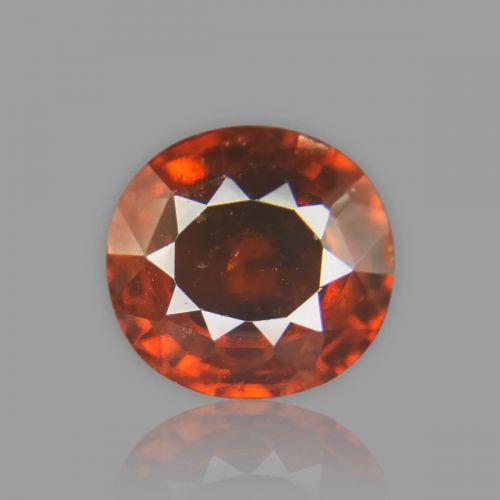
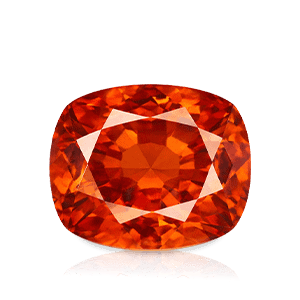
Pearl and Hessonite — Moon and Rahu
Moon and Rahu are natural enemies. Pearl (Moti) and Hessonite (Gomed) should not be worn together. Moon governs the calm, intuitive mind and emotional stability. Rahu represents disruption, obsession, and illusion. Combining these directly conflicts with the Moon's nurturing qualities and can amplify mental restlessness and anxiety rather than providing benefit to either planet's energy. This is a consistently advised-against combination.
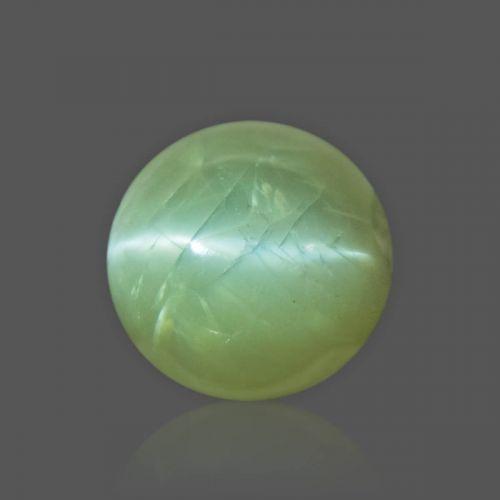
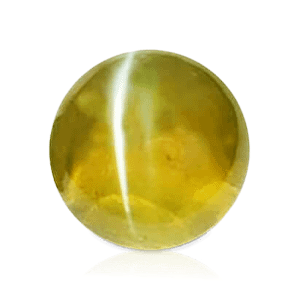
Pearl and Cat's Eye — Moon and Ketu
Moon and Ketu are natural enemies. Pearl (Moti) and Cat's Eye (Lehsunia) should not be worn together. Ketu represents spiritual detachment and dissolution — qualities that work against the Moon's connective, nurturing energy. This combination can disrupt emotional stability and mental peace and is widely advised against.
Red Coral and Blue Sapphire — Mars and Saturn
Mars and Saturn are natural enemies. Red Coral (Moonga) and Blue Sapphire (Neelam) should not be worn together as a general rule. Mars governs fiery, direct action; Saturn governs restraint, discipline, and measured effort. Their combined energies create friction — impulsive Mars energy conflicts directly with Saturn's deliberate nature. This combination is consistently discouraged across Vedic astrology traditions.
Combinations That Require Individual Chart Analysis — Neither Recommended nor Discouraged Generally
Several gemstone combinations fall into a middle ground — they are neither clearly harmonious nor clearly conflicting based on general planetary principles alone. Their suitability depends entirely on the individual Kundali. We are listing these here not with a recommendation either way, but so buyers know they require expert evaluation rather than a general guideline:
- Ruby and Emerald (Sun and Mercury) — The Sun-Mercury relationship varies across classical schools. In practice, this combination is generally avoided in most chart configurations but has exceptions. Always seek individual Kundali analysis before combining.
- Yellow Sapphire and Blue Sapphire (Jupiter and Saturn) — Jupiter and Saturn are neutral to each other. The combination is chart-dependent and requires specific analysis of both planets in the individual Lagna.
- Yellow Sapphire and Diamond or Opal (Jupiter and Venus) — Jupiter and Venus are natural enemies in classical texts, yet some chart configurations permit this. Requires individual consultation.
- Any combination involving Hessonite (Rahu) or Cat's Eye (Ketu) with other stones — Rahu and Ketu's relationships are complex and chart-specific. These should always be evaluated individually.
If your intended combination is not listed in either the 'recommended' or 'advised against' sections above, please do not assume it is safe. It may simply be a combination that requires individual chart analysis. When in doubt, always consult a qualified Vedic astrologer or our Astro Vedic Experts before wearing.
The Special Case of Navratna Jewellery
A question that arises naturally from this discussion is: if Ruby and Blue Sapphire cannot be worn together, why is Navratna jewellery — which contains all nine stones including both — considered auspicious?
The classical Vedic position on Navratna jewellery is that wearing all nine gemstones together in the prescribed arrangement creates a balanced planetary field rather than amplifying any single planet's energy disproportionately. No one planet is being individually strengthened — the complete set works as a harmonising whole. This is a fundamentally different principle from wearing individual gemstones for specific planetary strengthening. For this reason, Navratna jewellery is generally considered suitable for most wearers — though all nine stones must be natural and certified for any astrological benefit to be present.
The Most Important Principle — Your Chart Above All General Rules
The combinations listed in this guide represent what is broadly accepted and consistent across major Vedic astrology traditions. They are a reliable starting point — not a definitive prescription.
In practice, every combination must be evaluated in the context of the individual birth chart. A planet that is a natural enemy can become a functional benefic for a specific Lagna. A planet that is a natural friend can be ill-placed in a specific chart. House lordships, planetary strengths, current Mahadasha periods, and the wearer's specific life goals all influence whether a combination is beneficial for that individual.
This is why at Shubh Gems, we never recommend gemstone combinations based on general principles alone. Our Astro Vedic Experts conduct complete Kundali analysis before making any combination recommendation. Our professional Gemstone Consultants then help you select the right quality certified natural stones within your budget — ensuring that whatever combination is recommended is also genuinely obtainable and verifiable.
Connect with Shubh Gems' Astro Vedic Experts for a free, detailed birth chart analysis and personalised gemstone combination guidance. Our Gemstone Consultants are here to help you find the right certified natural gemstone or combination within your budget. Visit shubhgems.com/astro-advice or call +91-8010-555-111.
Frequently Asked Questions About Gemstone Combinations
Can I wear Ruby and Blue Sapphire together?
No — this combination is consistently and strongly advised against across all major Vedic astrology traditions. Sun and Saturn are natural enemies, and their gemstones Ruby and Blue Sapphire create conflicting energies in virtually all chart configurations. This is one of the clearest and most consistently held guidelines in Vedic gemology.
Can I wear Yellow Sapphire and Red Coral together?
Yes — Jupiter and Mars are natural friends, making Yellow Sapphire (Pukhraj) and Red Coral (Moonga) one of the most widely recommended gemstone combinations in Vedic astrology. Subject to both stones being astrologically suitable in your specific Kundali, this combination is considered auspicious for financial stability, career growth, and overcoming obstacles.
Can I wear Blue Sapphire and Emerald together?
Saturn and Mercury are natural friends, making Blue Sapphire (Neelam) and Emerald (Panna) a generally compatible combination. This is widely recommended for professionals in analytical, business, and communication fields — particularly for Capricorn, Aquarius, Gemini, and Virgo Ascendants. Always confirm both stones are suitable in your specific Kundali before wearing.
Why can all nine gemstones be worn together in Navratna jewellery when some are enemies?
Navratna jewellery operates on a different principle — wearing all nine gemstones together creates a balanced planetary field where no single planet is disproportionately strengthened. This is fundamentally different from wearing individual gemstones to specifically strengthen one planet. The Navratna is considered a harmonising whole, not a collection of individual planetary remedies. All stones must be natural and certified for any astrological benefit.
My combination is not listed in your guide. How do I know if it is safe?
If your intended combination is not in the widely recommended list, do not assume it is automatically safe or unsafe. Many combinations fall into a middle ground that requires individual chart evaluation. Share your birth details — date, time, and place — with our Astro Vedic Experts for a free, complete Kundali analysis. They will give you a specific recommendation based on your chart, not a general guideline.
I am already wearing one gemstone. Can I add another without consulting an astrologer?
We strongly advise against adding any gemstone — including those in the 'generally recommended' combinations above — without confirming suitability in your specific Kundali. Even a broadly auspicious combination may not work for your specific chart if one of the planets is ill-placed, debilitated, or rules an inauspicious house for your Lagna. A consultation with our Astro Vedic Experts takes the guesswork out of this decision entirely — and it is free.
How do I get a personalised gemstone combination recommendation?
Share your date, time, and place of birth with Shubh Gems' Astro Vedic Experts at shubhgems.com/astro-advice. They will analyse your complete Kundali, identify which planets are beneficial in your specific chart, confirm which gemstone or combination is appropriate for your current life situation and Mahadasha, and check whether any specific combination you are considering is chart-compatible. Our Gemstone Consultants will then help you select the right certified natural stones within your budget.
Final Thoughts
Gemstone combinations, when correctly chosen for the individual chart, can be genuinely powerful — amplifying complementary planetary energies and supporting multiple life goals simultaneously. But the keyword is correctly chosen. A combination based on general guidelines without chart analysis is a gamble. A combination based on complete Kundali analysis by a qualified expert is a considered, informed remedy.
At Shubh Gems, we approach every combination recommendation the same way we approach every single gemstone recommendation — with your complete birth chart, your specific planetary profile, and your current life situation as the starting point. Because gemstone therapy works best when it is personalised.





Thoughts