 +91 - 8010-555-111
 INR
INR  AUD - Australian Dollar
  BHD - Bahraini Dinar
  GBP - British Pound
  CAD - Canadian Dollar
  EUR - Euro
  HKD - Hong Kong Dollar
  IDR - Indonesian Rupiah
  ILS - Israeli New Shekel
  JPY - Japanese Yen
  KWD - Kuwaiti Dinar
  MYR - Malaysian Ringgit
  MUR - Mauritian Rupee
  NZD - New Zealand Dollar
  OMR - Omani Rial
  PHP - Philippine Peso
  QAR - Qatari Riyal
  SAR - Saudi Riyal
  SGD - Singapore Dollar
  CHF - Swiss Franc
  USD - US Dollar
  AED - United Arab Emirates Dirham
  VND - Vietnamese Dong




























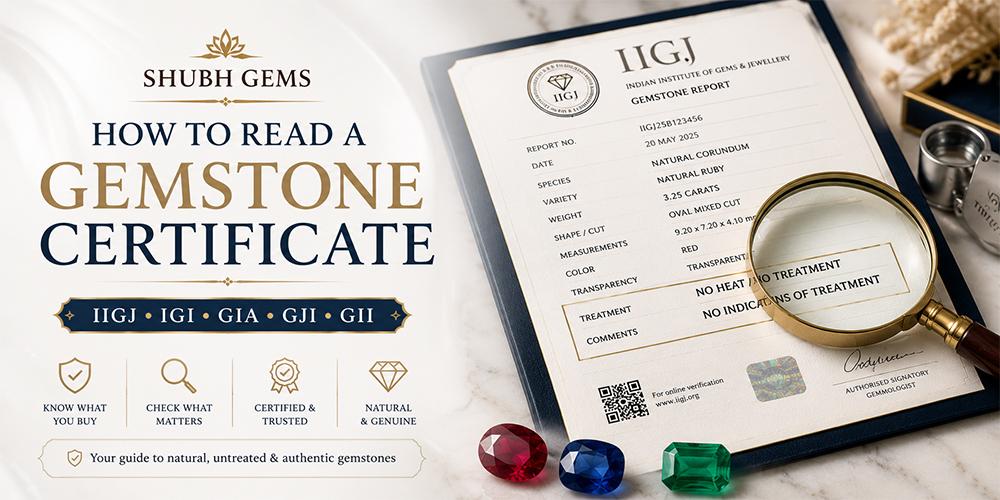
Every serious astrological gemstone purchase in India comes with a certificate from a gemological laboratory. But here is the uncomfortable truth that most sellers will never tell you: having a certificate is not enough. What matters is knowing how to read it.
Thousands of buyers across India receive a certificate with their gemstone, glance at it, assume everything is fine, and put it away. They never check the one field that determines whether their stone is genuine and astrologically effective — the Treatment or Comments section. This single oversight is how treated, heated, and glass-filled stones are sold every day with certificates that technically disclose the problem — but in language that buyers do not know to look for.
This guide changes that. After reading it, you will know exactly what every field on your gemstone certificate means, what to look for, what the red flags are, and how to verify your certificate is genuine. It takes less than five minutes to read a certificate correctly — and those five minutes protect every rupee you invest in a gemstone.
Why a Gemstone Certificate Matters — and Why It Is Not Enough on Its Own
A gemstone certificate — also called a gemstone report or lab report — is a document issued by an independent gemological laboratory after scientific testing of the stone. It records the gemstone's physical and chemical characteristics, confirms whether it is natural or laboratory-grown, and most importantly for astrological buyers, discloses any treatments or enhancements applied.
The certificate is your only reliable protection against misrepresentation. No visual inspection, no seller's verbal assurance, and no online photograph can tell you whether a gemstone is natural or synthetic, heated or unheated, glass-filled or clean. Only laboratory testing with advanced scientific equipment — spectroscopy, microscopy, X-ray fluorescence — can determine this with accuracy. The certificate is the result of that testing.
However — and this is the critical point — a certificate only protects you if you know how to read it. A certificate from IGI, GIA, IIGJ, or GJI that clearly states a stone is heat-treated will be technically accurate and honest. The laboratory has done its job. But if the buyer does not know to look at the Treatment field, or does not understand what the language in the Comments section means, they are unprotected even with a certificate in hand.
The Five Recognised Gemological Laboratories for Indian Buyers
Not all certificates are equal. For astrological gemstone purchases in India, insist on certification from one of these five recognised gemological laboratories — all of which maintain independent, scientifically rigorous testing standards:
IIGJ — Indian Institute of Gems and Jewellery
IIGJ (formerly IGI-GTL — Indian Gemological Institute Gem Testing Laboratory) is India's premier government-backed gemological certification body, established under the Gem and Jewellery Export Promotion Council (GJEPC). IIGJ is the most widely accepted and most trusted certificate for astrological gemstones within India. Its reports are recognised by the Bureau of Indian Standards and carry significant weight in Indian gemstone transactions. For domestic astrological gemstone purchases, IIGJ is the gold standard.
IGI — International Gemological Institute
IGI is one of the world's largest gemological organisations, operating over 20 laboratory centres globally, including a significant presence in India. IGI certificates are internationally recognised and widely accepted across the gemstone trade in India and globally. IGI's coloured stone reports clearly identify species, variety, origin (where determinable), and disclose all treatments present. For both domestic and international transactions, IGI is a highly trusted and respected certificate.
GIA — Gemological Institute of America
GIA is the most recognised gemological institution in the world — the organisation that created the globally used 4Cs system for diamond grading. GIA certificates carry the highest international prestige and are the most rigorous in their testing standards. GIA reports are particularly valuable for higher-value gemstones and for NRI buyers or international transactions where the certificate needs global recognition. GIA reports can be verified online at gia.edu/report-check.
GJI — Gemological & Jewellery Institute
GJI (Gemological & Jewellery Institute) is a recognised Indian gemological laboratory providing gemstone identification and certification services. GJI reports are accepted within the Indian gemstone trade. As with all certificates, what matters is not just which laboratory issued the report but what the report actually says — particularly the Treatment and Comments sections.
GII — Gemological Institute of India
GII (Gemological Institute of India) is another recognised and government-licensed Indian laboratory providing gemstone identification, grading, and certification services. GII reports are widely accepted in the Indian gemstone industry and acknowledged by the Bureau of Indian Standards. At Shubh Gems, we work with all five of these recognised laboratories — IIGJ, IGI, GIA, GJI, and GII — to ensure every gemstone we sell carries independent, verifiable certification.
At Shubh Gems, every gemstone we sell comes with a certificate from one of these five recognised laboratories — IIGJ, IGI, GIA, GJI, or GII. We do not issue our own in-house certificates. Independent third-party certification from a recognised laboratory is the only reliable protection for the buyer.
The Certificate Fields — What Each One Means
A standard gemological certificate from any of the five recognised laboratories above will contain the following fields. Here is what each one means and what to look for:
Report Number / Certificate Number
Every certificate has a unique report number. This is the reference number assigned by the laboratory to this specific stone and this specific test. This number is your most important verification tool — use it to verify the certificate's authenticity directly on the laboratory's website. GIA reports can be verified at gia.edu/report-check. IGI reports can be verified at igi.org. IIGJ and GJI reports can be verified through their respective laboratory portals.
Always verify this number before completing any significant gemstone purchase. A fake certificate — one issued by the seller rather than a genuine laboratory — will either have no verifiable number, a number that does not match the stone described, or a number that returns no result on the laboratory's website.
Date of Issue
The date the certificate was issued. There is no expiry on a gemstone certificate — a stone's properties do not change over time. Always ensure the stone you receive matches the stone described in the certificate by checking the photograph, weight, and measurements.
Species — THE Most Important Field for Astrological Buyers
The Species field tells you the mineral family the gemstone belongs to. This is the most fundamental identification field on the certificate and must be checked without exception.
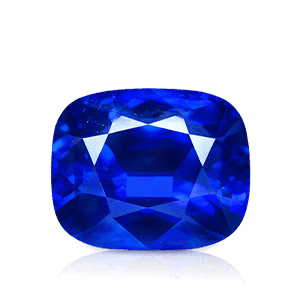
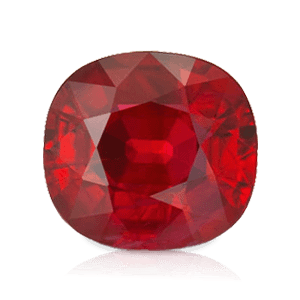
- Corundum — the species for both Ruby and Sapphire (Blue, Yellow, White). If you purchased a Yellow Sapphire (Pukhraj) and the certificate says Corundum, Variety: Yellow Sapphire — correct. If it says Quartz or any other species — wrong stone entirely.
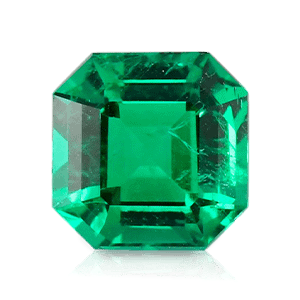
- Beryl — the species for Emerald (and other beryl varieties). Certificate must say Beryl, Variety: Emerald.
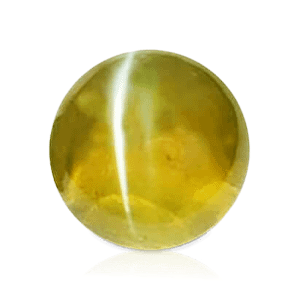
- Chrysoberyl — the species for genuine Cat's Eye (Lehsunia). If the certificate says Quartz instead of Chrysoberyl for a 'Cat's Eye' stone — it is Quartz Cat's Eye, not the astrological Ketu stone.
- Grossular Garnet — the species for Hessonite (Gomed). Must say, Garnet or Grossular Garnet.
- Pearl (Natural) or Pearl (Cultured) — for Perals (Moti). The distinction between natural and cultured matters significantly.
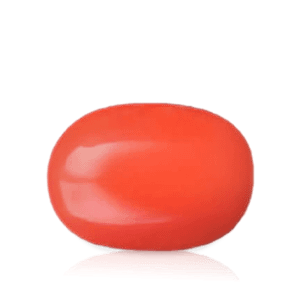
- Coral (Natural) — for Red Coral (Moonga). Must confirm natural coral, not composite or reconstituted material.
The Species field is based on objective scientific testing and cannot be falsified by a genuine laboratory. It is your first and most important check.
Variety
Specifies the exact gemstone within its mineral species. For example: Species: Corundum, Variety: Blue Sapphire. Or Species: Beryl, Variety: Emerald. Confirms you have the specific gemstone you paid for.
Colour
The colour as recorded by the laboratory gemologist. The stone in your hand should match this description. A significant discrepancy can indicate the certificate belongs to a different stone, or the colour has been artificially enhanced.
Shape and Cutting Style
Describes the cut — oval cabochon, round brilliant, cushion, emerald cut, and so on. The millimetre measurements alongside help confirm the certificate matches the physical stone in your possession.
Carat Weight
The precise weight in carats, measured to two or three decimal places. This must match the stone you received. Even a small discrepancy indicates either a different stone or damage since certification.
Transparency
Describes how light passes through the stone — Transparent, Translucent, or Opaque. Most astrological gemstones should be Transparent. For Red Coral, Opaque is normal.
Refractive Index, Specific Gravity, and Other Gemological Data
Technical scientific measurements — refractive index, specific gravity, hardness — used by gemologists to confirm species identification. As a buyer you do not need to interpret these individually. The Species and Variety fields communicate the conclusion in plain language.
Origin — Important but Not Always Stated
The country of origin — Ceylon (Sri Lanka), Burma (Myanmar), Mozambique, Zambia, Colombia, Italy, Japan, and so on — is stated when the laboratory can determine it conclusively from the stone's gemological characteristics. Origin determination requires additional specialised testing and is not always included in basic certificates.
When origin is stated, it is a significant piece of information — particularly for Blue Sapphire (Ceylon vs Burma), Ruby (Burma vs Mozambique), and Emerald (Colombia vs Zambia). However, the absence of origin on a certificate does not mean the stone is of poor quality or suspect origin — it simply means the laboratory testing conducted did not include conclusive origin determination.
The Treatment Field — The Single Most Important Section for Astrological Use
If there is one section of a gemstone certificate that every astrological gemstone buyer in India must understand, it is this one. The Treatment or Comments section is where the laboratory discloses any treatments or enhancements that have been applied to the stone. This is the field that determines whether a gemstone is suitable for astrological use or not.
What Acceptable Treatment Disclosures Look Like
- No indications of heating — the stone shows no evidence of heat treatment. This is the standard you need for astrological use of Ruby, Blue Sapphire, Yellow Sapphire, and other corundum gemstones.
- Unheated — same confirmation as above, stated more briefly. Fully acceptable for astrological use.
- No indications of clarity enhancement — no fracture filling, glass filling, or other clarity treatment detected. Essential for Ruby.
- No treatment or No indications of treatment — the broadest confirmation that the stone is natural and untreated. Ideal.
- Minor filling — F1 — for Emerald only. Minor natural oil filling at F1 level is accepted in the gemstone trade and does not significantly affect astrological use. F1 is acceptable.
Treatment Disclosures That Disqualify a Stone for Astrological Use
- Indications of heating' or 'Heat Treatment — the stone has been heated. Disqualifies for astrological use across all gemstone types.
- Glass filling or Lead glass filling or Fracture filling — the stone has been filled with glass or resin to improve appearance. Completely disqualifies for astrological use, particularly critical for Ruby.
- Beryllium diffusion or Lattice diffusion — a treatment that artificially creates or intensifies colour by diffusing elements into the stone's surface. Disqualifies for astrological use.
- Resin filling or Polymer treatment — for Emerald. Synthetic resin filling is more invasive than natural oiling and disqualifies the stone for serious astrological use.
- Dyeing or Dye detected — artificial colour added to the stone. Completely disqualifies for astrological use.
- F2 filling or F3 filling — for Emerald. Moderate (F2) or significant (F3) oil or resin filling. F2 requires caution; F3 disqualifies for astrological use.
The language used in the Treatment or Comments section is the single most important information on any gemstone certificate for astrological buyers. Before purchasing any gemstone for Vedic astrological use, read this section carefully. If it mentions any of the disqualifying treatments listed above, the stone is not suitable — regardless of how attractive it looks or how confidently it has been recommended.
Matching the Certificate to Your Stone — 5 Quick Checks
Even a genuine certificate from a genuine laboratory only protects you if it belongs to the specific stone you received. Always perform these five checks:
- Carat weight: Weigh the stone against the certificate. Even a 0.05 carat discrepancy should be investigated.
- Measurements: The millimetre dimensions on the certificate should match the stone's physical size.
- Shape and cutting style: The stone's shape should match exactly what is described.
- Stone photograph: Most certificates include a photograph of the actual stone. Compare it carefully with your stone — colour, shape, and any visible inclusions should be consistent.
- Colour: The stone's colour should match the description. A vivid blue stone with a certificate describing 'light blue' indicates a mismatch.
Certificate Red Flags — When to Ask Questions
The following situations should prompt you to ask direct questions or seek independent verification before completing a purchase:
- No certificate offered — any seller offering astrological gemstones without independent laboratory certification should be approached with extreme caution
- In-house or dealer certificate — a certificate issued by the seller themselves rather than an independent laboratory has no independent verification value
- Certificate from an unfamiliar laboratory not in the recognised list — many local labs exist whose testing standards and independence cannot be verified
- Certificate number cannot be verified online — suggests the certificate may not be genuine
- Treatment field is blank, missing, or unclear — a genuine laboratory report will always address treatment status
- Price significantly below market rate for the stated quality — if the price seems too good for what the certificate claims, there is likely a discrepancy between the stone and the certificate
The Shubh Gems Commitment on Certification
At Shubh Gems, certification is not a formality — it is the foundation of every transaction. Every gemstone we sell comes with a certificate from IIGJ, IGI, GIA, GJI, or GII. We never issue our own certificates, and we do not work with local or unfamiliar laboratories for astrological gemstone certification.
More importantly, we encourage every customer to read their certificate carefully — to check the Species, Variety, and Treatment fields before wearing their stone. And we go further: every customer is welcome to independently verify their stone at any recognised laboratory of their choice at any time after purchase. If the stone proves to be other than what the certificate states, we provide a full refund without question or condition.
This is not a marketing statement. It is the natural consequence of selling only what we say we sell — natural, unheated, untreated gemstones from honest sources, certified by independent laboratories, and backed by 25 years of reputation.
Frequently Asked Questions About Gemstone Certificates
Is a certificate from IIGJ as good as one from GIA?
Both are recognised, reputable laboratories with rigorous testing standards. IIGJ is India's premier government-backed laboratory and is the most widely accepted certificate for astrological gemstone transactions within India. GIA carries the highest international prestige and is most valuable for higher-value stones or international transactions. For most astrological gemstone purchases within India, an IIGJ or IGI certificate provides complete protection when read correctly.
What if my certificate does not mention treatment at all?
A missing treatment disclosure is a red flag. Genuine certificates from recognised laboratories will always address treatment status in the Comments or Remarks section. If this section is entirely absent, blank, or simply not present on the document, seek independent verification. Do not assume absence of disclosure means absence of treatment.
Can I get my existing gemstone tested and certified?
Yes — any gemstone can be submitted to IIGJ, IGI, GIA, GJI, or GII for independent testing and certification. If you have purchased a gemstone without a certificate, or if you want to independently verify a certificate you have received, submitting the stone to a recognised laboratory is the correct approach. Testing fees vary by laboratory and stone type but are generally modest relative to the value of the gemstone being verified.
My seller showed me a certificate, but I cannot find the report number on the laboratory's website. What does this mean?
This is a serious red flag. Certificates from genuine laboratories — GIA, IGI, IIGJ, GJI, GII — are always registered in their database and verifiable online using the report number. If your search returns no result, it strongly suggests the certificate may not be genuine. Contact the laboratory directly with the report number for confirmation before proceeding.
The Treatment field on my Ruby certificate says 'Heat treatment applied'. Does this mean the stone is fake?
No — it means the stone is a natural Ruby that has been heat-treated to enhance its colour and clarity. It is not fake — it is genuine Ruby material. However, for astrological use, a heat-treated Ruby is unsuitable. As we explain in our Ruby buying guide, heat treatment permanently misaligns the crystal structure and destroys the stone's astrological energy. For astrological use, you need a certificate that specifically states 'No indications of heating' or 'Unheated'.
Should I keep my gemstone certificate safely?
Yes — always. The certificate is the gemstone's identity document. Store it separately from the gemstone itself in a safe, dry place. If you ever wish to resell the stone, have it re-certified, or verify its authenticity at a later date, the original certificate with its report number is invaluable. Make a photograph or digital copy of the certificate for additional safety.
Final Thoughts
A gemstone certificate is only as powerful as the buyer's ability to read it. The Species field tells you what you have. The Treatment field tells you whether it works for astrology. The Report Number lets you verify everything. Five minutes with these three fields — on every gemstone purchase — is the difference between knowing your investment is protected and hoping it is.
At Shubh Gems, we have been explaining certificates to customers for 25 years. Our Gemstone Experts are available to walk you through any certificate — whether it is from a Shubh Gems purchase or a stone you have bought elsewhere. Understanding your certificate is not a privilege for experts. It is information every buyer deserves.




Thoughts