 +91 - 8010-555-111
 INR
INR  AUD - Australian Dollar
  BHD - Bahraini Dinar
  GBP - British Pound
  CAD - Canadian Dollar
  EUR - Euro
  HKD - Hong Kong Dollar
  IDR - Indonesian Rupiah
  ILS - Israeli New Shekel
  JPY - Japanese Yen
  KWD - Kuwaiti Dinar
  MYR - Malaysian Ringgit
  MUR - Mauritian Rupee
  NZD - New Zealand Dollar
  OMR - Omani Rial
  PHP - Philippine Peso
  QAR - Qatari Riyal
  SAR - Saudi Riyal
  SGD - Singapore Dollar
  CHF - Swiss Franc
  USD - US Dollar
  AED - United Arab Emirates Dirham
  VND - Vietnamese Dong






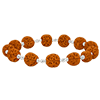
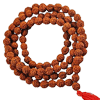


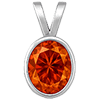
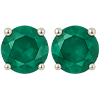
Turquoise (Firoza)
 Good Luck
New Opportunities
Business Success
Business Communication
Balances Throat Chakra
Good Luck
New Opportunities
Business Success
Business Communication
Balances Throat Chakra

-

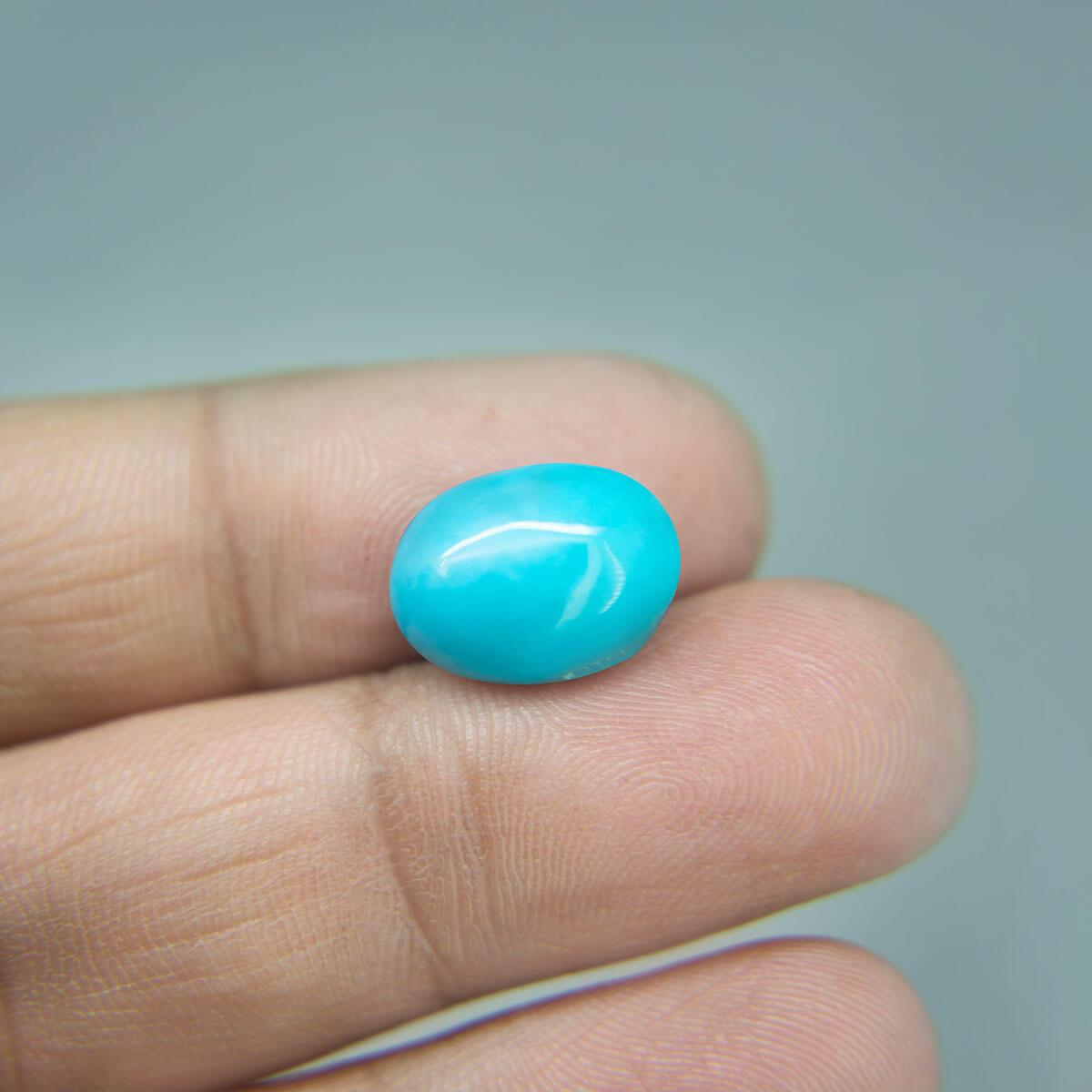
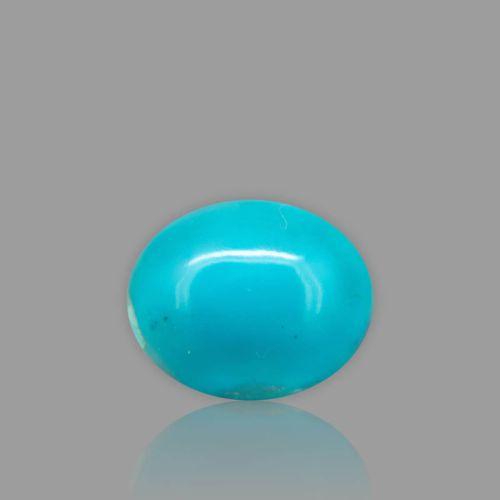
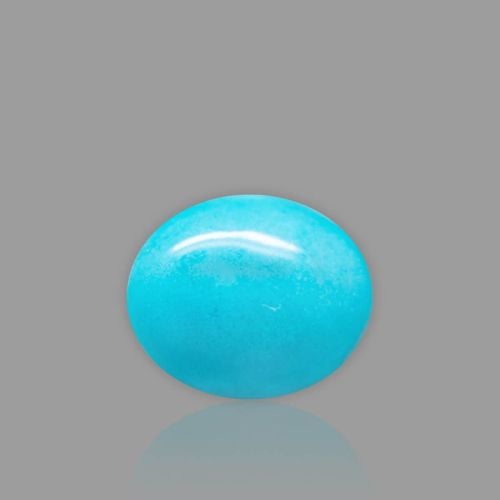
Turquoise (Firoza) - 4.86 Carat
Natural, Unheated, Untreated
Origin : Nishapuri (Iran)
SKU : TQ000450₹7,200.00 -

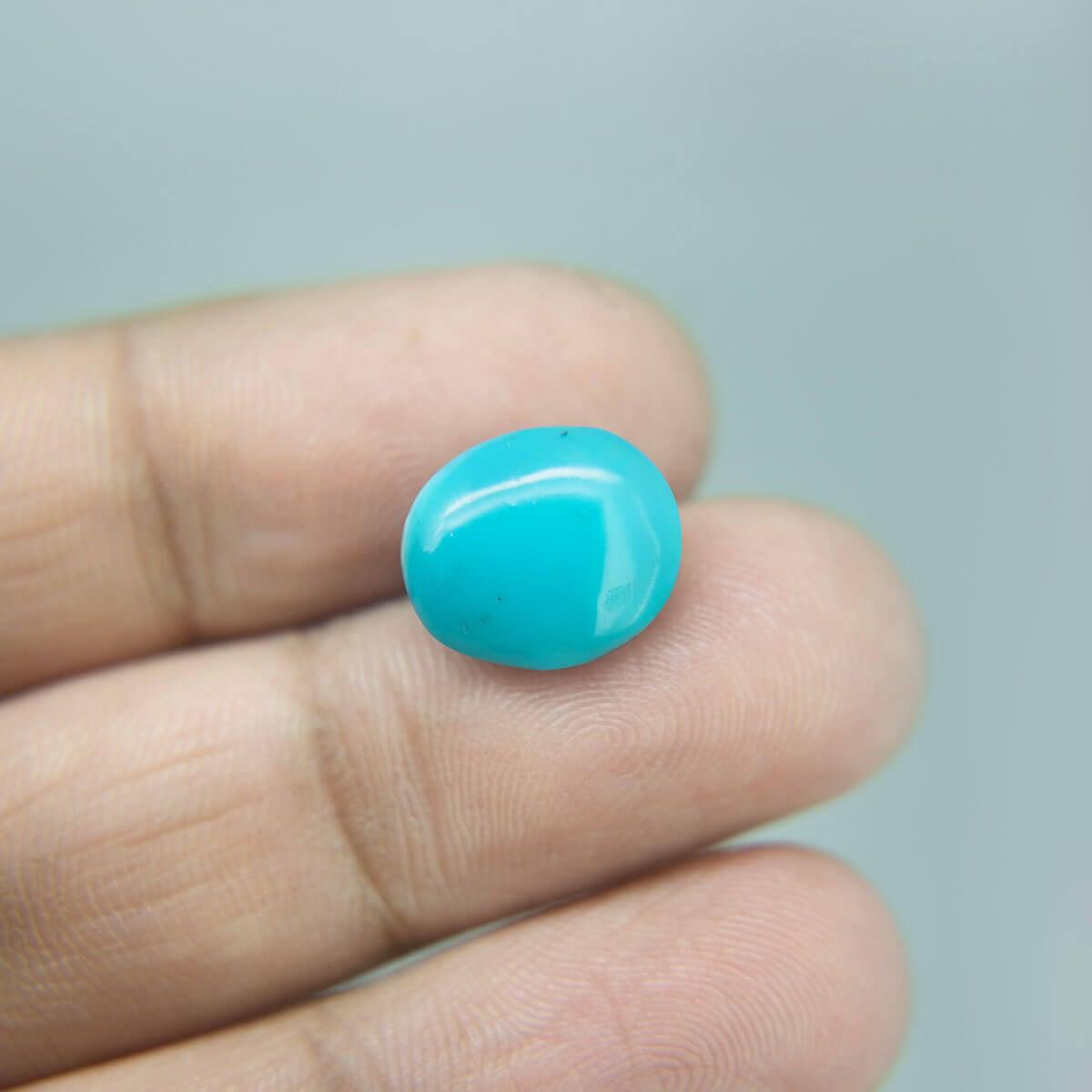
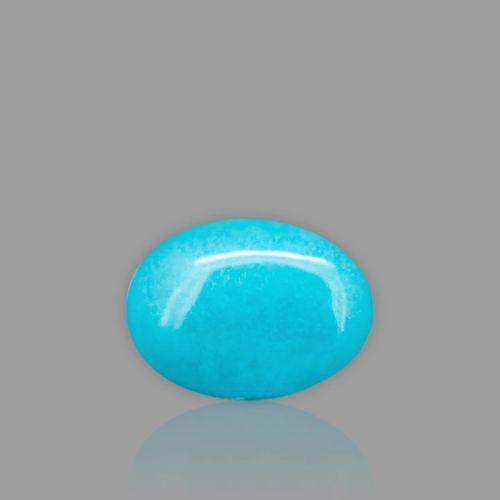
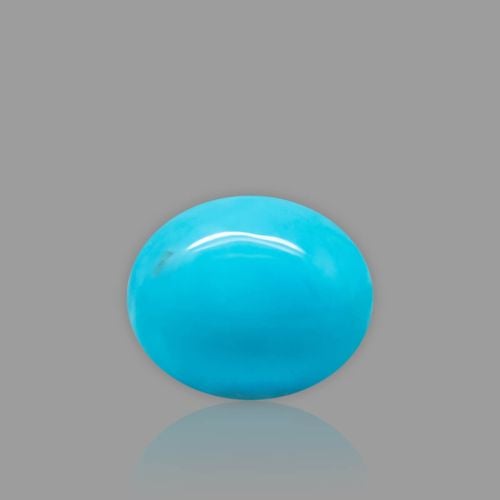
Turquoise (Firoza) - 4.52 Carat
Natural, Unheated, Untreated
Origin : Nishapuri (Iran)
SKU : TQ000449₹6,700.00 -

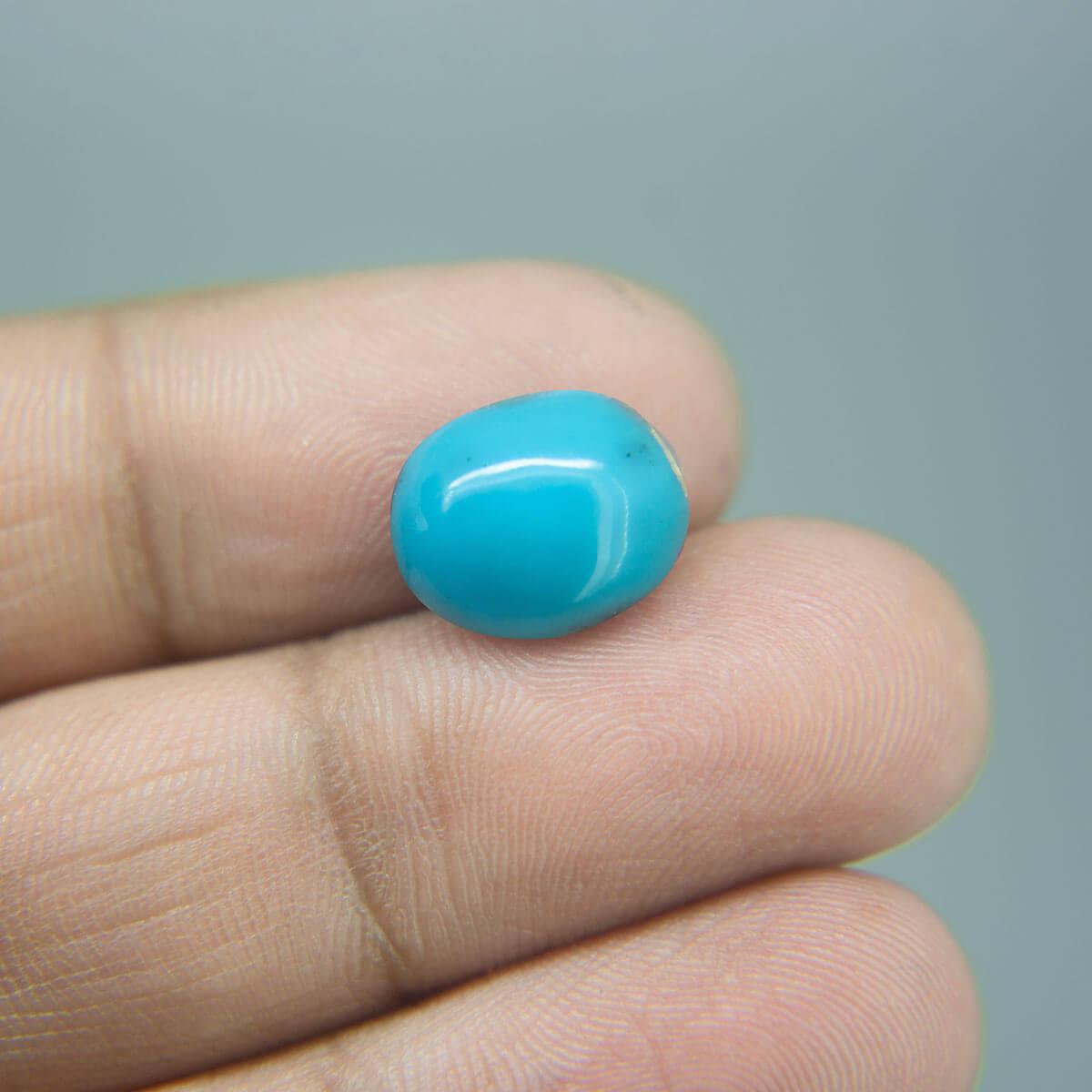
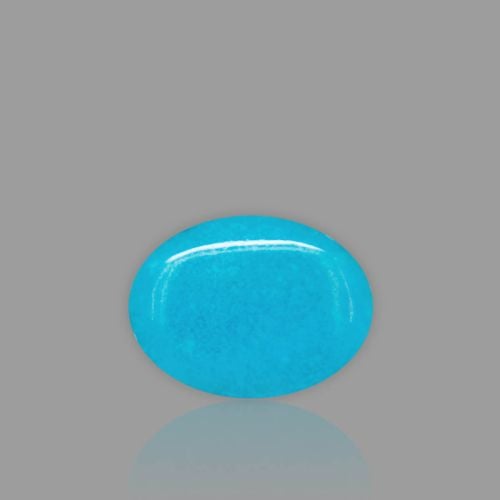
Turquoise (Firoza) - 3.29 Carat
Natural, Unheated, Untreated
Origin : Nishapuri (Iran)
SKU : TQ000445₹4,900.00 -

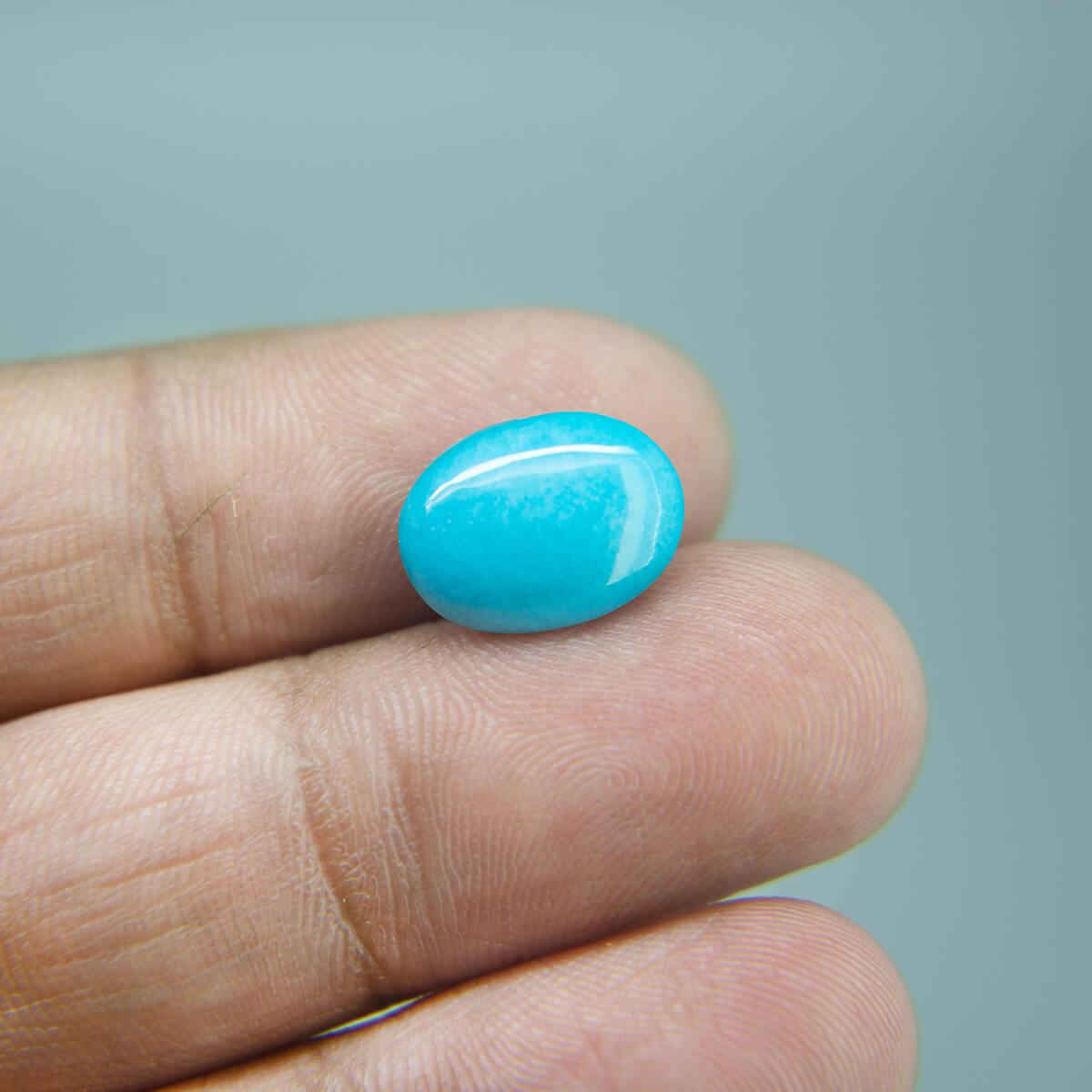
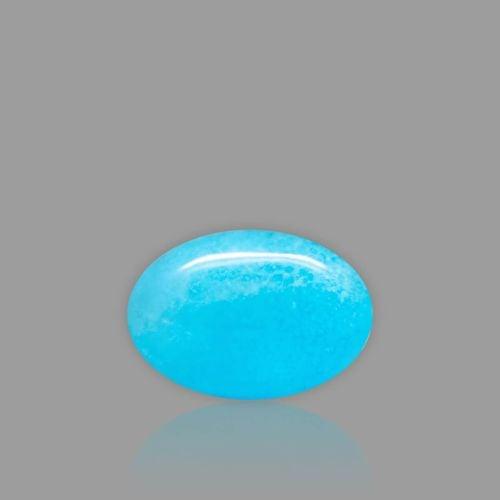
Turquoise (Firoza) - 3.30 Carat
Natural, Unheated, Untreated
Origin : Nishapuri (Iran)
SKU : TQ000440₹4,900.00 -

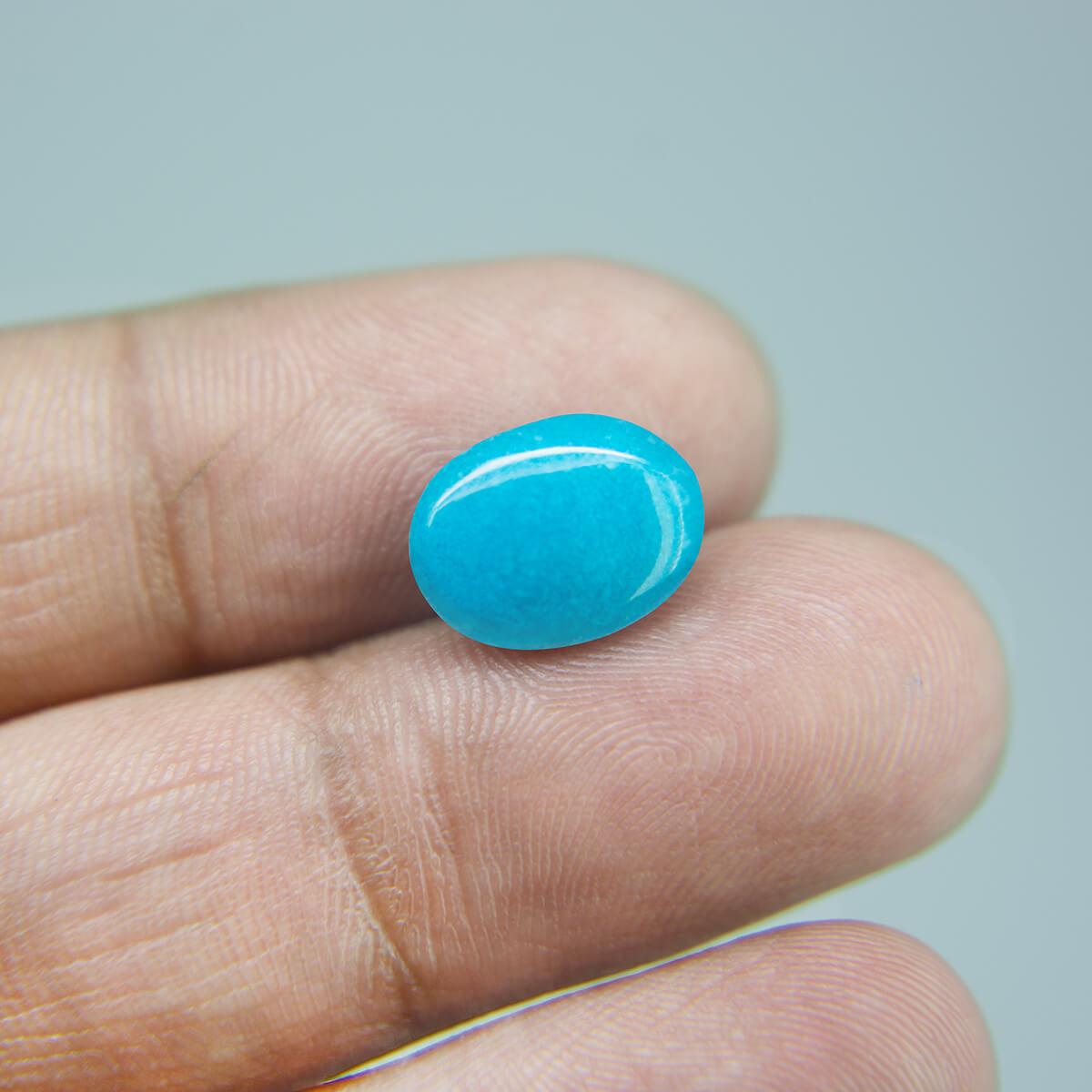
Turquoise (Firoza) - 3.81 Carat
Natural, Unheated, Untreated
Origin : Nishapuri (Iran)
SKU : TQ000437₹5,700.00 -

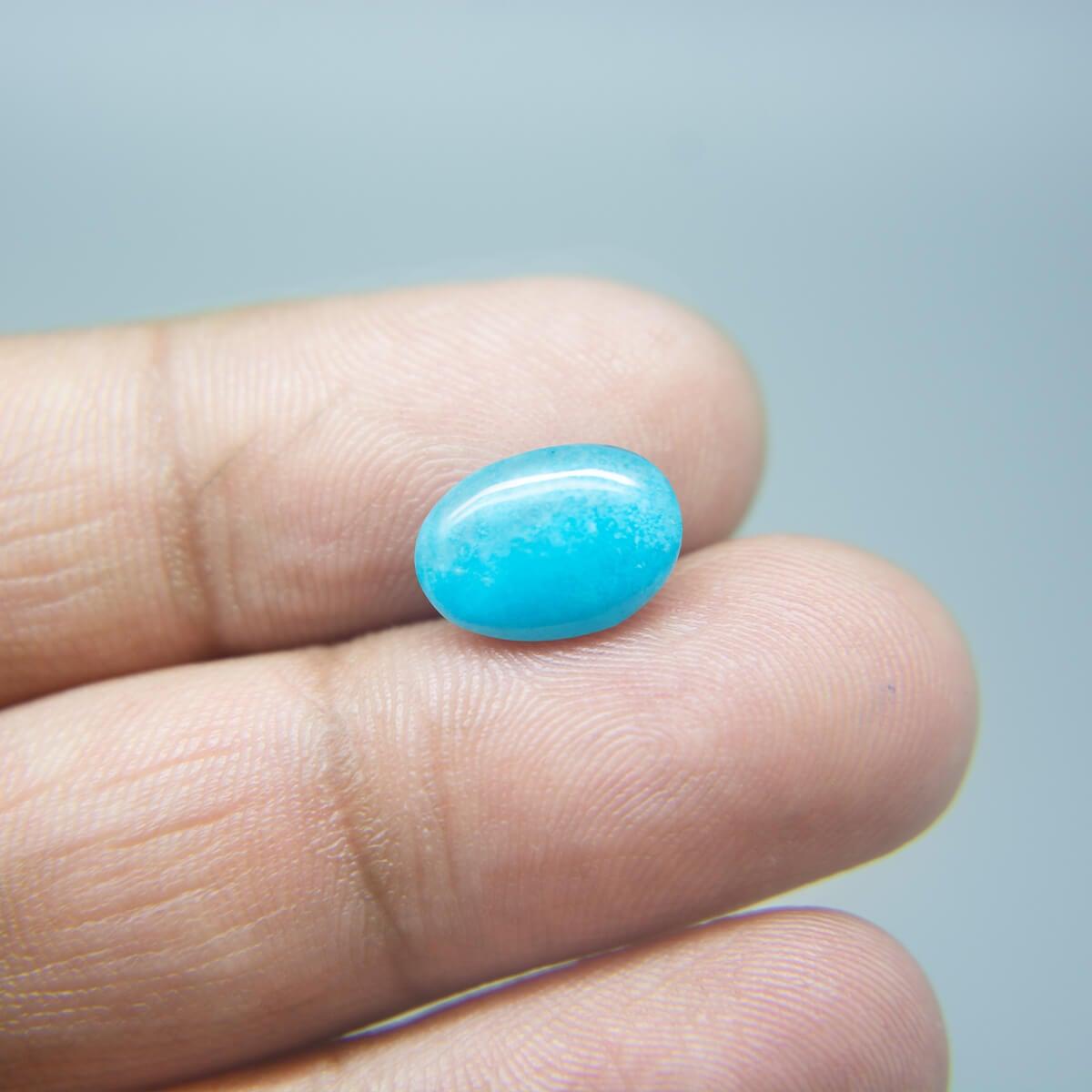
Turquoise (Firoza) - 2.50 Carat
Natural, Unheated, Untreated
Origin : Nishapuri (Iran)
SKU : TQ000435₹3,700.00 -

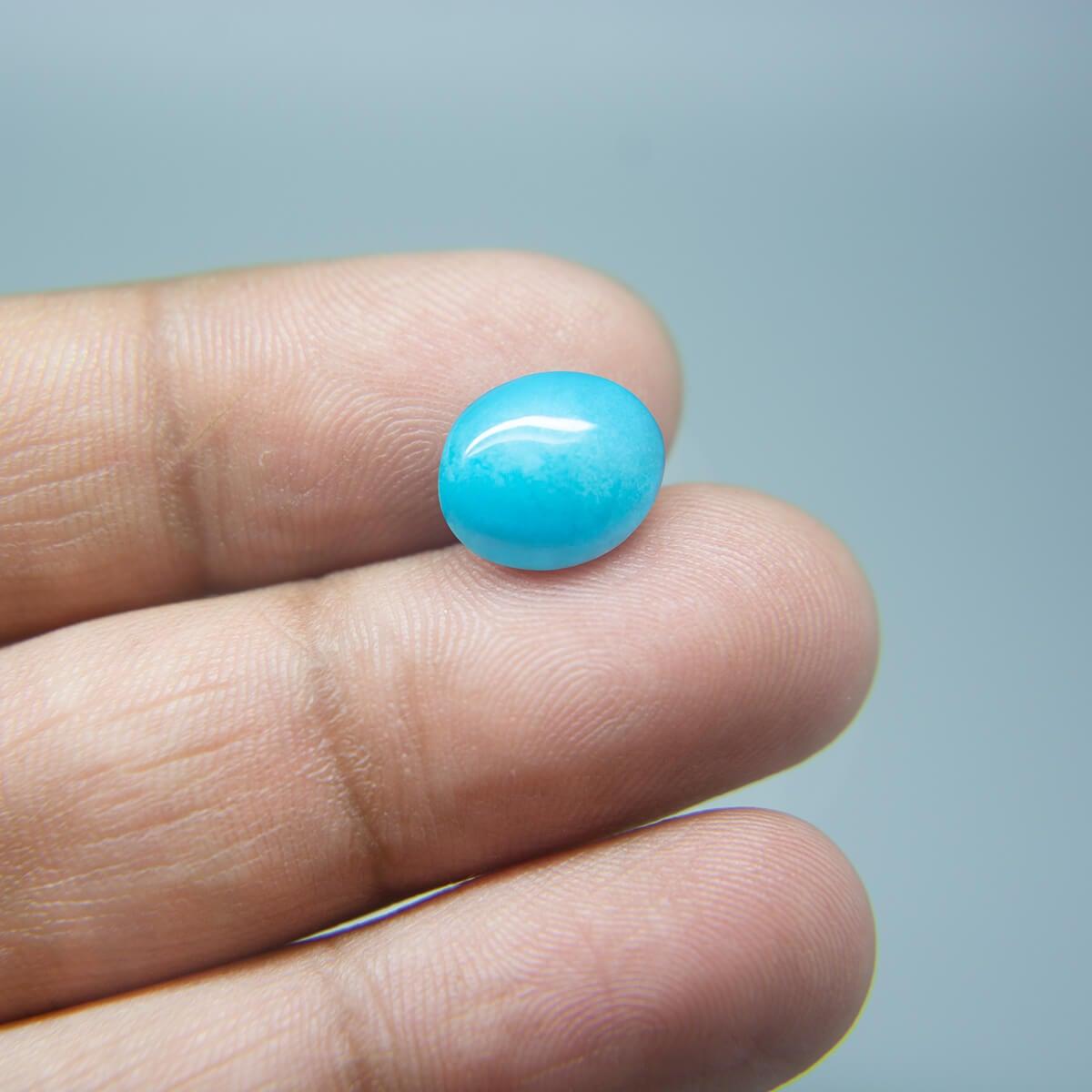
Turquoise (Firoza) - 3.43 Carat
Natural, Unheated, Untreated
Origin : Nishapuri (Iran)
SKU : TQ000434₹5,200.00 -

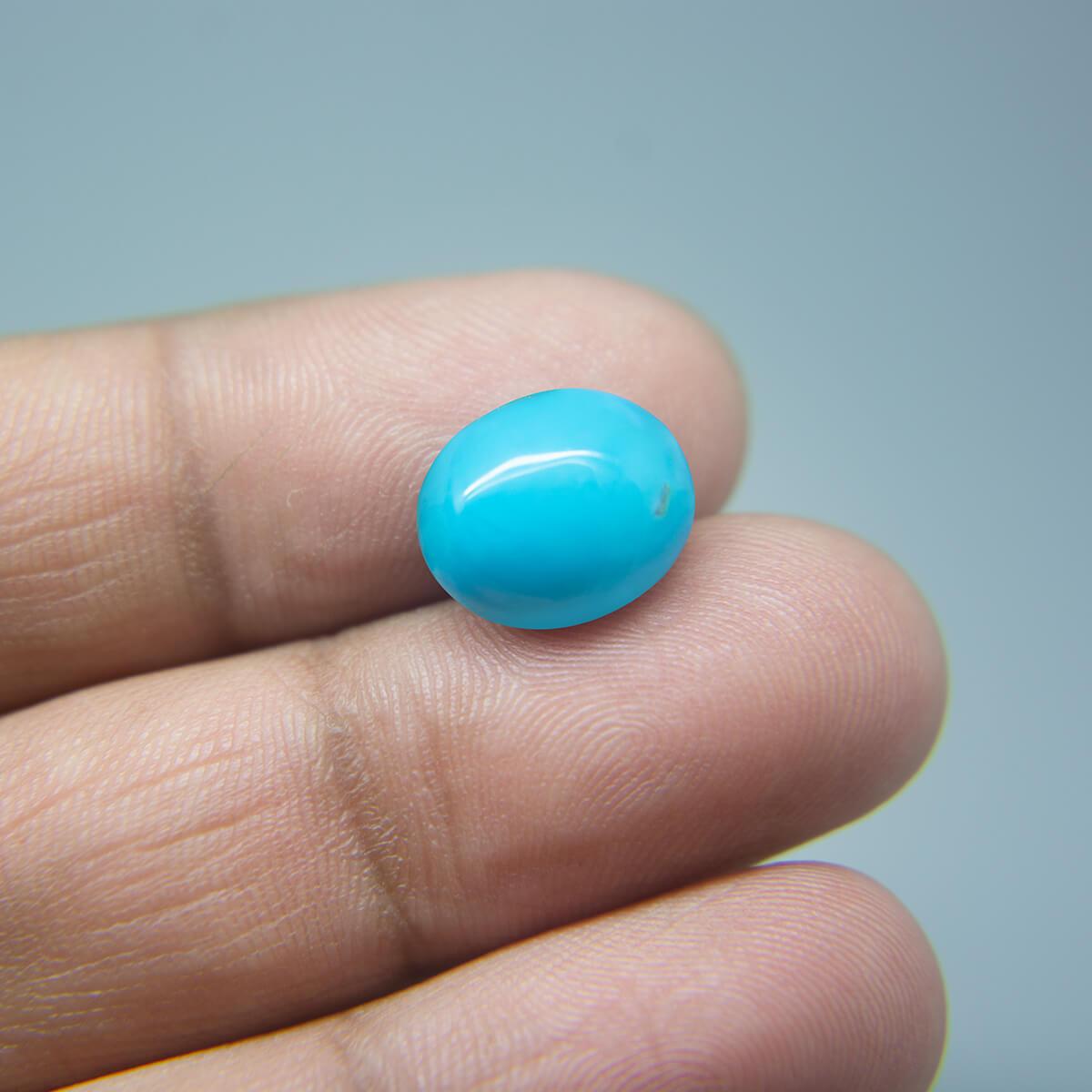
Turquoise (Firoza) - 4.87 Carat
Natural, Unheated, Untreated
Origin : Nishapuri (Iran)
SKU : TQ000433₹7,300.00
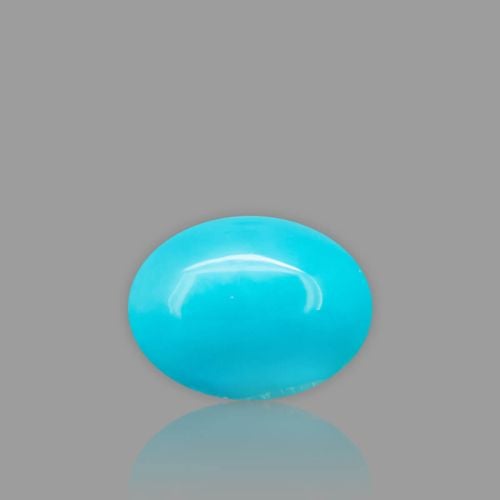

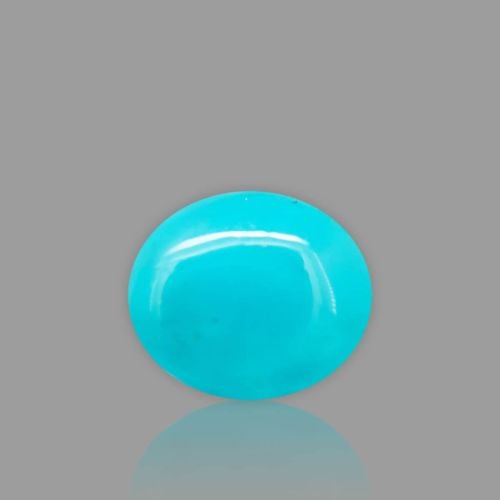

Related Links
What is Turquoise (Firoza)?
Turquoise is a hydrous phosphate mineral of copper and aluminium — with the chemical formula CuAl₆(PO₄)₄(OH)₈·4H₂O. It is an opaque gemstone whose characteristic blue to blue-green colour is derived from copper (which produces blue tones) and iron (which introduces green tones). The higher the copper content, the bluer the stone; the higher the iron content, the greener. Turquoise ranks 5 to 6 on the Mohs scale of hardness — relatively soft compared to other precious gemstones — making it important to wear and handle with appropriate care.
Turquoise is one of the oldest known gemstones in human history — mined and traded for over 7,000 years. Ancient Egyptians decorated their pharaohs' tombs with it; Persian kings adorned their palace domes with its vivid blue as a symbol of heaven on earth; Native Americans considered it a sacred protective stone; Tibetans have revered it as their national gemstone for centuries. In Persia (modern Iran), Turquoise was called 'Piroozeh' — meaning 'victory' — and was worn by rulers and warriors as a talisman of triumph and protection.
Turquoise Names & Cultural Significance in India
In India, Turquoise is most widely known as Firoza or Feroza — names derived from the Persian 'Firoozeh' (meaning victory or triumph). It has been prized in Indian jewellery and culture for centuries — particularly in Mughal jewellery, Rajasthani tribal jewellery, and Islamic amulet traditions. The name Turquoise itself derives from the French 'Turquois' meaning 'Turkish' — as the stone first reached Europe through Turkish trade routes from the ancient Persian mines of Nishapur. In Tibet, Turquoise is considered a national treasure and sacred stone — believed to connect the wearer to heaven and protect against negative energies.
✦ Why Shubh Gems for Turquoise? At Shubh Gems, our expert gemologists evaluate every Turquoise for colour purity, matrix quality, surface finish, and natural origin — ensuring only the finest quality natural stones reach our customers. We source from three carefully chosen origins — Iran, Arizona, and Tibet — offering a broad range of quality and price to suit every preference.
Turquoise Gemstone Properties
| Property | Details |
|---|---|
| Mineral Type | Hydrous Phosphate of Copper & Aluminium (CuAl₆(PO₄)₄(OH)₈·4H₂O) |
| Hardness (Mohs Scale) | 5.0 – 6.0 — Relatively soft; requires careful handling |
| Specific Gravity | 2.60 – 2.90 |
| Refractive Index | 1.610 – 1.650 |
| Colour Range | Powder blue, sky blue, robin's egg blue, blue-green, green-blue |
| Best Colour | Pure, even, vivid sky blue or robin's egg blue — minimal to no green tones |
| Colour Cause | Copper (blue tones) and Iron (green tones) — ratio determines final colour |
| Lustre | Waxy to sub-vitreous — finest quality has smooth, polished lustre |
| Transparency | Opaque — quality judged by colour, matrix, and surface finish |
| Matrix | Host rock inclusions — from none (most prized) to spider web to block |
| Treatment Status | Natural stones preferred; often stabilised in market — untreated stones most valuable |
| Astrological Use | December birthstone; used as Jupiter (Guru) substitute by some |
| Origins | Iran (Persian), Arizona (USA), Tibet — each with unique character |
| Special Care Needed | Sensitive to heat, chemicals, prolonged sunlight, and moisture |
Understanding Turquoise Matrix Patterns
Matrix refers to the host rock inclusions visible within or on the surface of Turquoise — the remnants of the surrounding rock in which the Turquoise formed. Matrix is one of the most distinctive and characterful aspects of Turquoise — affecting both its appearance and its value. Here is a brief guide:
| Matrix Type | Appearance | Value Impact | Associated Origins |
|---|---|---|---|
| No Matrix (Solid Blue) | Pure, even colour — no veining or patterns | Highest value — most prized | Nishapur (Iran), Sleeping Beauty (Arizona) |
| Spider Web Matrix | Fine black/brown veins forming web-like patterns | Valued for unique character | Tibetan, some Iranian & Arizona |
| Block Matrix | Large irregular patches of host rock | Lower value — reduces colour area | Various — less desirable commercially |
An important note on personal preference: While matrix-free Turquoise commands the highest commercial value, many buyers — particularly collectors and enthusiasts of Native American and Tibetan jewellery traditions — actively prefer and seek Turquoise with distinctive spider web matrix patterns, as these patterns give each stone a unique, irreplaceable character. The beauty of matrix is deeply personal — and at Shubh Gems, we offer both matrix-free and beautiful matrix Turquoise to suit every preference.
Turquoise Sources & Origins — Origin is Everything
In Turquoise, origin is not just a quality indicator — it is a deeply personal preference for many buyers. Serious Turquoise collectors and enthusiasts often seek stones from specific mines or regions, as each origin produces a distinctive colour, matrix character, and quality profile that is unique and irreplaceable. Here is a comprehensive guide to the three origins Shubh Gems offers:
Iran (Persian Turquoise) — The World's Most Celebrated Origin
Iranian Turquoise — also called Persian Turquoise — is universally regarded as the finest and most prestigious Turquoise in the world. Iran has been mining Turquoise for at least 2,000 years, and the robin's egg blue of Persian Turquoise from the Nishapur region has become the global benchmark against which all other Turquoise is evaluated. Iranian Turquoise is the most popular and most sought-after origin among Indian buyers — celebrated for its vivid, pure sky blue colour, smooth waxy lustre, fine surface finish, and exceptional density.
Iran's most important Turquoise mines are concentrated in the Nishapur (Neyshabur) district of northeastern Iran — in the Khorasan province near Mashhad. The most celebrated individual mines include:
• Nishapur Region: Nishapuri / Neyshaburi Mine — The Most Prized in the World
The Nishapur mines are the most famous and historically significant Turquoise mines in the world — active for over 2,000 years. Nishapuri Turquoise is prized for its extraordinary robin's egg blue colour — a pure, vivid, medium sky blue with exceptional evenness and virtually no matrix. Genuine Nishapuri Turquoise of fine quality is among the rarest and most expensive Turquoise available — commanding the highest prices in the Indian and global markets. Many serious buyers specifically seek Nishapuri origin certification, making mine-of-origin disclosure particularly important for this category.
• Known For: Khak Ghermez Mine
Known for producing the classic 'Robin's Egg Blue' Turquoise — a mid-blue colour that is cut to exclude matrix entirely. This is among the most commonly recognised and internationally celebrated Persian Turquoise. Stones are very dense and hard, with an exceptional lustre and polish.
• Known For: Chah Mine
One of the most active current Iranian mines — producing very dense, hard Turquoise in a deep blue tone. Chah mine stones are exceptionally fine quality — among the hardest and most lustrous Iranian Turquoise available, commanding premium prices.
For most Indian buyers, Iranian Turquoise is the first choice — and within Iranian Turquoise, Nishapuri (Neyshaburi) origin stones are considered the finest and most auspicious. When purchasing Iranian Turquoise, always ask for the specific mine of origin — as quality can vary significantly between different Iranian mines.
Arizona (USA) — The Sleeping Beauty & Fine American Turquoise
Arizona Turquoise — particularly from the celebrated Sleeping Beauty Mine in Globe, Arizona — is the most famous American Turquoise and one of the most internationally recognised Turquoise varieties. The Sleeping Beauty Mine (named after the mountain that resembles a reclining woman) produced Turquoise celebrated for its clean, bright blue colour with virtually no matrix — making it very similar in appearance to the finest Iranian Turquoise. The Sleeping Beauty Mine closed in 2012, making its stones increasingly rare and collectible. Arizona Turquoise remains highly popular in the Indian market for its clean blue colour and good quality finish.
Tibet — Distinctive, Spiritual & Uniquely Beautiful
Tibetan Turquoise occupies a unique position in the world of Turquoise — distinct in colour, character, and cultural significance from Iranian or American varieties. Tibetan Turquoise tends toward a green-blue to blue-green colour — often more greenish than the pure blue of Iranian stones — due to a higher iron content in the Himalayan deposits. It frequently displays distinctive spider web matrix patterns of dark brown or black veining — patterns that are considered a unique and beautiful characteristic rather than a flaw, adding to the stone's distinctive visual character.
Turquoise is the national gemstone of Tibet — a sacred stone deeply embedded in Tibetan Buddhist tradition and culture. It is worn by Tibetans as a protective amulet, used in religious ceremonies, and incorporated into traditional Tibetan jewellery. For buyers who appreciate the spiritual heritage and distinctive beauty of Tibetan Turquoise — and who particularly value its unique matrix patterns and greenish blue character — it is an irreplaceable and deeply meaningful gemstone.
Each origin of Turquoise has its own unique beauty and character — and many buyers develop a personal preference for a specific origin or even a specific mine. Iranian (Nishapuri) is the most popular in India for its pure sky blue. Arizona (Sleeping Beauty) offers a comparable clean blue. Tibetan offers a distinctive green-blue with beautiful matrix. At Shubh Gems, we offer all three — with complete origin transparency.
✦ Why Shubh Gems for Turquoise? At Shubh Gems, we source Turquoise from certified dealers in Iran, Arizona, and Tibet. We offer complete origin disclosure — including specific mine information where available — so our customers can make informed decisions based on their personal preferences and requirements. Every stone is accompanied by a certificate confirming natural, untreated origin.
Who should wear Turquoise?
Turquoise can be worn for three distinct purposes — as an astrological substitute, as a healing crystal, or as a birthstone. Here is a comprehensive guide:
As an Astrological Gemstone
In Vedic astrology, Turquoise is occasionally recommended as a substitute gemstone for Jupiter (Guru) — particularly for those who cannot afford Yellow Sapphire (Pukhraj) or for whom it is otherwise prescribed. While Turquoise is not one of the nine Navratna gemstones and is considered a semi-precious substitute rather than a primary astrological stone, many astrologers recommend it for its calming, clarifying, and protective energy. Turquoise can be worn with a free conscience by most individuals — as it does not carry the strict astrological suitability requirements of the primary Navratna.
Turquoise is one of the few gemstones that can be worn freely by virtually anyone — regardless of birth chart or astrological configuration. Its gentle, universally positive energy makes it suitable for people of all ages, and it is particularly popular as a protective and calming everyday gemstone.
As a Healing Crystal
Turquoise is one of the most widely used healing crystals in both Eastern and Western traditions — revered for thousands of years across Persian, Egyptian, Native American, Tibetan, and Chinese healing traditions. Here are its key healing associations:
- Protection & Good Fortune — Turquoise has been worn as a protective talisman across virtually every ancient civilisation — believed to shield the wearer from negative energies, accidents, and misfortune
- Communication & Self-Expression — strongly associated with the Throat Chakra — believed to enhance clear, authentic communication, self-expression, and the ability to speak one's truth
- Emotional Balance & Calm — widely recommended for those experiencing anxiety, mood swings, or emotional turbulence — its calming blue energy promotes peace and stability
- Mental Clarity & Focus — believed to clear mental fog, improve concentration, and support sound decision-making
- Immunity & Overall Well-Being — traditionally associated with strengthening the immune system and supporting overall physical vitality
- Wisdom & Intuition — long associated with wisdom, insight, and enhanced intuitive awareness
As a December Birthstone
Turquoise is one of the traditional birthstones for December — making it a meaningful and personal gemstone for those born in this month. It is also the gemstone associated with the 11th wedding anniversary. For December-born individuals, Turquoise is believed to bring good fortune, protection, and clarity — and its beautiful blue colour perfectly captures the cool, clear energy of the winter month.
✦ Why Shubh Gems for Turquoise? At Shubh Gems, we create beautiful, personalised Turquoise rings, pendants, and bracelets in silver and gold — in the design of your choice. Whether for daily wear, healing use, or a meaningful gift, our expert team will help you create the perfect Turquoise piece. Contact us for a personalised consultation.
Customised Turquoise Jewellery at Shubh Gems
Turquoise's extraordinary colour and rich cultural heritage make it one of the most beautiful and meaningful gemstones for jewellery. At Shubh Gems, we create entirely personalised Turquoise jewellery — tailored to your requirements, style, and budget:
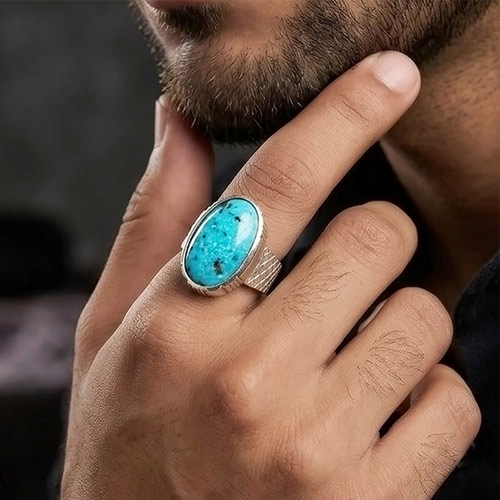
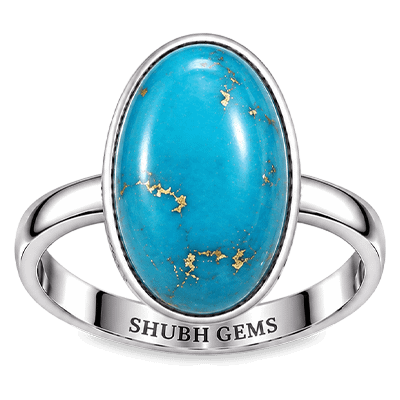
- Rings — Silver is the traditional and most popular metal for Turquoise rings — creating a classic, clean setting that beautifully complements the blue. Gold settings create a warm, rich contrast that is equally stunning.
- Pendants — A Turquoise pendant in silver or gold is one of the most elegant and versatile ways to wear this beautiful stone — keeping its colour and energy close throughout the day.
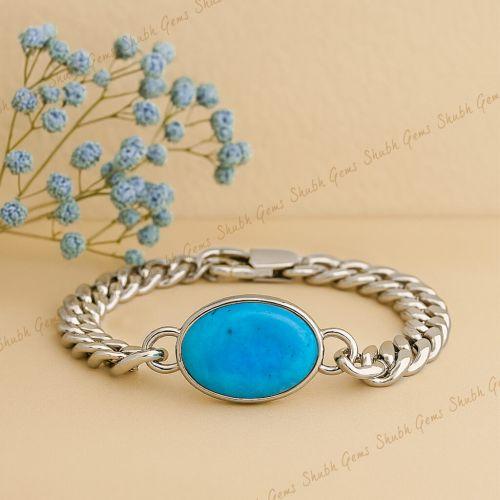
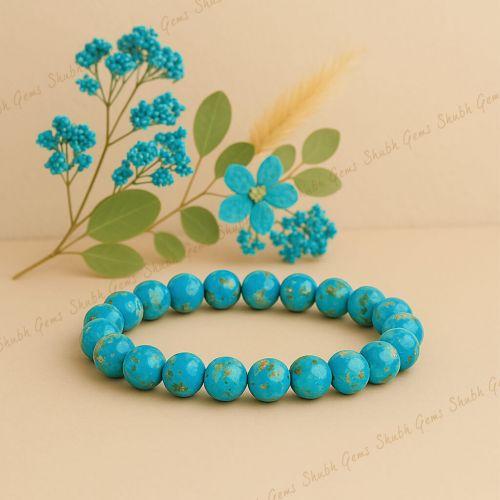
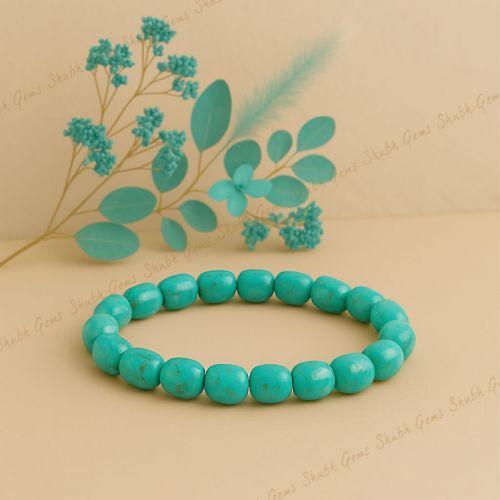
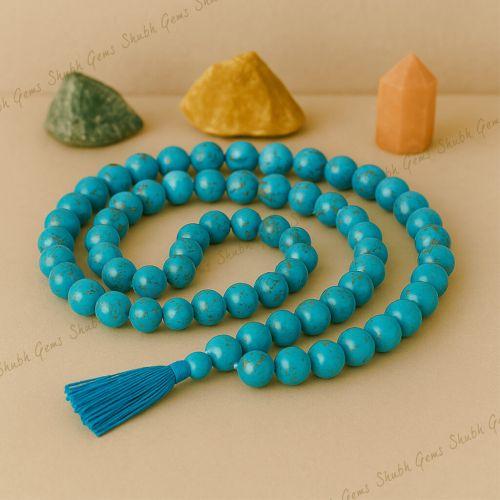
- Bracelets — Turquoise bracelets are one of the most popular forms worldwide — from single stone statement pieces to multi-stone beaded designs inspired by Persian, Tibetan, and Native American traditions.
- Custom Designs — Our craftsmen work with you to create entirely bespoke Turquoise jewellery in the design, metal, and style of your choice — from traditional to contemporary.
Preferred Metal for Turquoise: Silver is the traditional and most widely preferred metal for Turquoise jewellery — the cool, bright silver beautifully enhances the stone's blue colour. Gold — both yellow and rose — is also used for a warmer, richer aesthetic. Our craftsmen will advise on the most beautiful metal pairing for your specific stone's colour and tone.
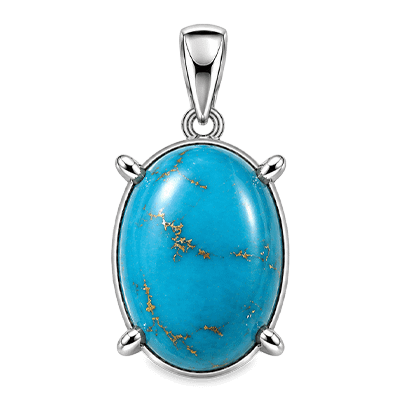
Turquoise Care Guide — Handle With Care
Turquoise is a relatively soft and porous gemstone that requires special attention to maintain its beauty and colour over time:
- Avoid exposure to harsh chemicals — perfumes, hairsprays, cleaning agents, and acids can permanently damage Turquoise's colour and surface
- Avoid prolonged exposure to direct sunlight — UV exposure can cause Turquoise's colour to fade or turn greenish over time
- Keep away from extreme heat — heat can cause Turquoise to crack or lose colour
- Avoid contact with water where possible — particularly for untreated natural Turquoise, which can absorb moisture and change colour slightly
- Clean only with a soft, dry or very slightly damp cloth — never use ultrasonic cleaners, steam, or chemical cleaning agents
- Store separately from harder gemstones to prevent surface scratches
- Remove Turquoise jewellery before swimming, exercising, or household cleaning
✦ Why Shubh Gems for Turquoise? Shubh Gems provides complete care guidance with every Turquoise purchase. Given Turquoise's unique sensitivity to chemicals, heat, and moisture, our experts provide specific care instructions to ensure your Firoza retains its natural colour, lustre, and beauty for years to come.
Healing Benefits of Turquoise
Turquoise — known as Firoza or Feroza — is one of the most ancient and most universally revered gemstones in human history. Worn by Persian kings as a symbol of victory, treasured by Tibetans as their national sacred stone, and prized by healers across cultures for over 7,000 years, Turquoise carries a depth of healing significance that goes far beyond its extraordinary beauty. Its warm, stabilising, deeply grounded energy makes it one of the most versatile and most universally wearable healing stones available — suitable for people of all ages, all backgrounds, and all intentions, with no astrological restrictions.
Spiritual Grounding and Connection to Higher Wisdom
Turquoise has been considered a bridge between the earthly and the divine across virtually every ancient culture that knew it. Persian rulers adorned their palace domes with Turquoise as a representation of heaven on earth; Tibetan monks wore it to maintain their connection to higher consciousness during meditation; Native American healers called it a sky stone — a piece of the heavens made tangible. This quality of spiritual bridging — keeping the wearer simultaneously rooted in the practical world and open to higher wisdom and guidance — is one of Turquoise's most distinctive and most valuable healing contributions, particularly for those navigating important life decisions or seeking clarity on their true path.
Friendship, Loyalty and the Strengthening of Bonds
Turquoise is one of the most celebrated gemstones for friendship and the deepening of genuine human bonds. Across Persian, Native American, and Tibetan traditions, Turquoise was exchanged as a gift between close friends and trusted companions as a symbol of loyalty, mutual protection, and the wish for the other's well-being. It is believed to attract trustworthy people into the wearer's life, strengthen existing relationships of genuine affinity, and create an energetic quality of openness and warmth that makes the wearer more approachable, more naturally magnetic, and more capable of the kind of authentic connection that makes lasting friendships possible.
Career Success, Recognition and Professional Confidence
Turquoise has a long-standing association with success in professional life — particularly in fields requiring persuasion, communication, creativity, and public presence. It is traditionally recommended for those in law, education, media, politics, fashion, jewellery, finance, and the creative arts — fields in which the ability to project confidence, communicate persuasively, and attract recognition for genuine merit is of paramount importance. Its energy is believed to help the wearer project their ideas with greater clarity and conviction, attract the professional recognition they deserve, and navigate the complexities of competitive professional environments with a steady, confident, grounded presence.
Stress Absorption and Nervous System Support
One of Turquoise's most practically valuable and most widely noted qualities in healing traditions is its ability to absorb and transmute stress — acting as an energetic buffer between the wearer and the accumulated tensions of a demanding modern life. Its particular quality of energy is grounding and stabilising rather than merely calming — it does not simply quieten the stress response but actively supports the nervous system's resilience, helping the wearer maintain composure, perspective, and inner stability even in sustained high-pressure circumstances. It is particularly recommended for those in demanding professions, caregivers, students facing examination pressure, and anyone experiencing the chronic low-grade stress of sustained life demands.
Travel Protection and Safe Journeys
Turquoise has been worn as a travel talisman across cultures for thousands of years — from Persian merchants on the Silk Road to Native American riders crossing vast territories. It is traditionally believed to protect travellers from accidents, misfortunes, and unexpected dangers during journeys — both physical travel and the more metaphorical journeys of major life transitions and new beginnings. Many people in India wear Turquoise specifically when beginning a new chapter of life — starting a new job, relocating to a new city, beginning a new relationship, or undertaking any significant life change that involves moving into unfamiliar territory. Its energy is one of safe passage, grounded courage, and the confidence that comes from feeling genuinely protected.
Restoring Depleted Energy and Combating Exhaustion
Turquoise carries a gentle but persistent restorative energy that is particularly valuable for those experiencing physical or emotional exhaustion, prolonged depletion, or the kind of deep fatigue that comes from sustained demands on the body and spirit. Unlike stimulating crystals that boost energy through activation, Turquoise restores it through stabilisation — filling the depleted energy body with a slow, steady, nourishing warmth that gradually rebuilds vitality from the ground up. It is particularly recommended for those recovering from illness, those experiencing burnout, those who feel chronically overextended, and those who need to rebuild their reserves of energy and resilience after a demanding period of sustained effort.
✦ Why Choose Shubh Gems for Your Turquoise (Firoza)? In a market flooded with stabilised, dyed, and imitation Turquoise — finding genuinely natural, untreated Turquoise of fine quality from a trusted, transparent source is more challenging than most buyers realise. At Shubh Gems, we have invested 25+ years in building the expertise and sourcing relationships necessary to offer only the finest quality natural Turquoise — from three carefully chosen origins — with complete origin transparency and treatment disclosure.
Our expert gemologists evaluate every Turquoise for colour purity, matrix quality, surface finish, density, and natural origin before presenting it to our customers. Our skilled craftsmen create beautiful customised rings, pendants, and bracelets in silver and gold — in the design of your choice. With 25+ years of expertise and our Lifetime Guarantee of Authenticity, Shubh Gems is your most trusted partner for natural Turquoise in India.
Turquoise Quality & Price
Turquoise quality depends on several interconnected factors — with origin and colour being the most critical. Here is a comprehensive guide:
Turquoise Quality — The Key Quality Factors
Origin & Mine — The Primary Price Driver
In Turquoise, origin is the single most important factor determining price — even more so than in most other gemstones. This is because Turquoise from different origins and even from different mines within the same country can be entirely different in colour, density, matrix, and quality. Many serious buyers seek stones from specific mines only — and are willing to pay a significant premium for confirmed mine-of-origin provenance. Nishapuri (Iranian) Turquoise commands the highest prices in the Indian market; Arizona Sleeping Beauty is highly sought after; Tibetan Turquoise is valued for its distinctive character and spiritual heritage.
Body Colour
The purest, most vibrant, even sky blue or robin's egg blue — with no greenish, grey, or dull secondary tones — is the most prized colour. The colour should be intense and saturated, not pale or washed-out. The finest Iranian Nishapuri stones display this ideal robin's egg blue most consistently. Any significant greenish tint (caused by iron content) reduces value — except in Tibetan Turquoise where a characteristic green-blue is expected and appreciated.
Matrix
As discussed above, matrix-free stones — with pure, uninterrupted colour across the entire surface — command the highest prices. Fine spider web matrix can add distinctive character and value in certain traditions. Heavy or irregular block matrix reduces value significantly. The finest Nishapuri Iranian Turquoise is typically matrix-free or has the most delicate, minimal veining.
Density & Hardness
Turquoise exists on a spectrum from very soft and porous (chalky) to very hard and dense (compact). The hardest, densest Turquoise — which takes the finest polish and maintains its colour and lustre over time — is the most valuable. Chalky, porous Turquoise is often stabilised (see Treatments section) to improve its appearance. Natural, untreated hard Turquoise that takes a high, waxy polish without any treatment is the most desirable for quality jewellery.
Surface Finish & Polish
A high-quality Turquoise should have a smooth, even, well-polished surface with a warm waxy lustre. The surface should be free from pits, roughness, or uneven areas. The finest Iranian Turquoise — particularly from Nishapur — is celebrated for its exceptional surface quality and smooth, lustrous finish that sets it apart from lower quality material.
Shape & Carat Weight
Turquoise is typically fashioned as cabochons — smooth, domed shapes without facets — in oval, round, pear, and freeform shapes. Well-proportioned, symmetrical cabochons with an even dome height command higher prices. Larger, clean, well-coloured Turquoise cabochons are significantly rarer and more valuable than smaller stones — and price increases with size. Carvings and beads are also popular forms, particularly for Tibetan Turquoise.
Turquoise Price in India — Origin & Quality Guide
| Origin / Grade | Price / Carat (INR) | Quality Characteristics |
|---|---|---|
| Tibetan Turquoise | ₹ 200 – ₹ 800 | Green-blue, spider web matrix, spiritual significance |
| Arizona (Sleeping Beauty type) | ₹ 500 – ₹ 2,000 | Clean blue, minimal matrix, good lustre |
| Iranian — Standard Grade | ₹ 600 – ₹ 1,500 | Good blue, some matrix, smooth finish |
| Iranian — Premium Grade | ₹ 1,500 – ₹ 3,000 | Vivid sky blue, minimal matrix, fine lustre |
| Nishapuri — Finest Grade | ₹ 3,000 – ₹ 4,000+ | Robin's egg blue, near-no matrix, exceptional lustre |
Note: Prices are indicative and vary significantly based on the specific quality of individual stones. Nishapuri Turquoise from specific premium mines — particularly confirmed Chah or Khak Ghermez origin — can command prices above ₹ 4,000 per carat for exceptionally fine pieces. Mine-of-origin certification is essential for premium pricing verification.
✦ Why Shubh Gems for Turquoise? At Shubh Gems, every Turquoise is presented with complete origin disclosure — including specific Iranian mine information where available — and transparent pricing. We are committed to helping our customers make fully informed decisions. Our Lifetime Guarantee of Authenticity ensures complete confidence in every purchase.
Turquoise Treatments & Imitations — What Every Buyer Must Know
Turquoise is one of the most heavily treated and most commonly imitated gemstones in the world market. The widespread prevalence of treated, dyed, and synthetic Turquoise makes buyer education absolutely essential. Here is what every buyer must know:
Common Turquoise Treatments
- Very Widely Used: Stabilisation — Most Common Treatment
Stabilisation is the most common treatment applied to Turquoise. Porous, chalky, or soft Turquoise — which is too fragile for jewellery use in its natural state — is impregnated with colourless resin or plastic under pressure to improve its hardness, durability, and colour. Stabilised Turquoise is technically natural Turquoise — but its colour, lustre, and hardness have been artificially enhanced. Stabilised Turquoise is significantly less valuable than natural, untreated hard Turquoise and is not suitable for buyers seeking genuine natural quality. Shubh Gems does not deal in stabilised Turquoise. - Very Common — Strictly Avoid: Dyeing / Colour Enhancement
Many lower quality, pale, or greenish Turquoise stones are dyed to deepen or alter their colour — often to simulate the vivid blue of Nishapuri Iranian Turquoise. Dyed Turquoise can look visually attractive initially but the colour is not stable — it fades or leaches over time, particularly with exposure to sweat, water, and sunlight. A simple test: rubbing with acetone or acetone-based nail polish remover on a cotton swab — if colour transfers, the stone is likely dyed. - Common — Lower Quality: Wax Impregnation
Wax or oil impregnation is applied to improve colour and lustre temporarily. This treatment is less stable than resin stabilisation and wears off over time. Wax-treated Turquoise is of lower quality and value than natural, untreated stone. - Avoid Completely: Colour Coating / Film Coating
Some very low quality material is coated with a coloured film or lacquer to simulate the appearance of Turquoise. This is purely cosmetic and wears off rapidly. Always purchase from a certified, reputed source with independent laboratory documentation.
Common Turquoise Imitations
- Most Common Imitation: Howlite & Magnesite — Dyed to Simulate Turquoise
White Howlite and Magnesite — naturally white minerals with similar surface patterns — are dyed blue-green and widely sold as Turquoise, often at very low prices. These are the most common Turquoise imitations in the market, particularly in fashion jewellery and online sales. A simple test: natural Turquoise feels cool and slightly heavy; Howlite imitations may feel lighter and less dense. - Avoid for Quality Buyers: Synthetic Turquoise
Laboratory-created synthetic Turquoise — with identical chemical composition to natural Turquoise — is produced commercially and sold at very low prices. While chemically genuine, synthetic Turquoise has no natural origin and no collectible or healing value. Always insist on a certificate confirming natural origin. - Easiest to Identify: Glass & Plastic Imitations
Glass and plastic beads dyed turquoise blue are the most basic imitations. These can typically be identified by their perfectly uniform colour (no natural variation), excessive smoothness, and warmth to the touch (glass and plastic do not feel cool like genuine Turquoise).
Shubh Gems' Commitment: We deal exclusively in fine quality, natural, untreated Turquoise — no stabilisation, no dyeing, no wax impregnation, and no imitations of any kind. Every Turquoise we sell is independently evaluated for natural origin and treatment-free status. Our Lifetime Guarantee of Authenticity ensures complete confidence in every purchase.
✦ Why Shubh Gems for Turquoise? At Shubh Gems, we take treatment disclosure very seriously. We deal only in natural, untreated Turquoise — and we are fully transparent about origin and quality. Our expert gemologists test every stone before offering it to our customers. When you buy Turquoise from Shubh Gems, you receive only what nature created.
Turquoise Buying Guide — Points to Consider Before Buying Firoza
- Origin is Everything: Always ask for origin disclosure — and specific mine information where possible
In Turquoise, origin is the primary quality and price determinant. Iranian (Nishapuri) is most prized in India. Arizona (Sleeping Beauty) offers a comparable clean blue. Tibetan offers a distinctive blue-green with beautiful matrix character. Always insist on confirmed origin — and specific mine information for premium Iranian stones. - Treatment Status is Critical: Always insist on natural, untreated status with independent certification
The vast majority of Turquoise in the market is stabilised, dyed, or imitation. Always insist on a certificate confirming natural, untreated status. At Shubh Gems, we deal exclusively in natural, untreated Turquoise — no stabilisation, no dyeing, no imitations. - Colour & Finish First: Prioritise colour purity and surface finish for the best quality
The most desirable Turquoise displays a pure, vivid, even sky blue — with no significant green, grey, or brown secondary tones — and a smooth, waxy lustre. Surface finish should be even and blemish-free. - Matrix is Personal: Understand matrix — it is a character, not a flaw
Matrix-free Turquoise is the most commercially prized. But beautiful spider web matrix adds unique character — and many buyers specifically prefer it. Choose based on your personal aesthetic preference, not just commercial value. - Know What to Avoid: Be aware of the most common imitations
Dyed Howlite and Magnesite, synthetic Turquoise, and plastic/glass imitations are widely sold — particularly online and at low price points. Always buy from a certified, trusted source. The price of genuine natural untreated Turquoise starts from Rs. 200 per carat — be cautious of prices significantly below this for claimed natural stones. - Metal Matters: Choose silver for the most beautiful Turquoise setting
Silver is the traditional and most beautiful metal pairing for Turquoise — creating a clean, classic setting that enhances the stone's blue. Gold is equally beautiful for a warmer aesthetic. At Shubh Gems, we create customised pieces in both metals. - Care is Essential: Handle and care for Turquoise with appropriate attention
Turquoise is softer and more sensitive than most precious gemstones. Proper care — avoiding chemicals, heat, sunlight, and moisture — is essential to maintain its colour and beauty. Our team provides detailed care guidance with every purchase.
✦ Why Shubh Gems? Shubh Gems is your most trusted partner for natural, certified Turquoise (Firoza) in India. With 25+ years of expertise, three carefully chosen origins with full provenance transparency, fine quality natural untreated stones, beautiful customised jewellery in silver and gold, and our Lifetime Guarantee of Authenticity — we ensure every Turquoise you buy from us is genuinely natural, beautifully finished, and a treasure to be worn and cherished. Call or WhatsApp: +91-8010-555-111 or visit www.shubhgems.com.
Why Buy Turquoise (Firoza) from Shubh Gems?
Natural, untreated Turquoise from Iran, Arizona & Tibet — 25 years of trusted expertise
- Natural & Untreated Only — No stabilised, dyed, or synthetic Turquoise
- Three Prestigious Origins — Iranian (Nishapuri), Arizona (Sleeping Beauty) & Tibetan
- Full Origin Disclosure — Specific mine information available for premium Iranian stones
- Fine Quality Selection — Every stone evaluated for colour, matrix, density & finish
- Customised Jewellery — Rings, pendants & bracelets in silver & gold
- Lifetime Guarantee of Authenticity — On every gemstone purchased from Shubh Gems
- 25+ Years of Trust — Established 1995 | Flagship store at Lajpat Nagar, New Delhi
- Safe & Fast Worldwide Delivery — Serving customers across India and the globe
- Expert Gemstone Guidance — Certified gemologists for quality & origin evaluation
- Transparent Pricing — INR 200 to INR 4,000+ per carat | No hidden costs
Call / WhatsApp: +91-8010-555-111 | www.shubhgems.com | Lajpat Nagar, New Delhi