 +91 - 8010-555-111
 INR
INR  AUD - Australian Dollar
  BHD - Bahraini Dinar
  GBP - British Pound
  CAD - Canadian Dollar
  EUR - Euro
  HKD - Hong Kong Dollar
  IDR - Indonesian Rupiah
  ILS - Israeli New Shekel
  JPY - Japanese Yen
  KWD - Kuwaiti Dinar
  MYR - Malaysian Ringgit
  MUR - Mauritian Rupee
  NZD - New Zealand Dollar
  OMR - Omani Rial
  PHP - Philippine Peso
  QAR - Qatari Riyal
  SAR - Saudi Riyal
  SGD - Singapore Dollar
  CHF - Swiss Franc
  USD - US Dollar
  AED - United Arab Emirates Dirham
  VND - Vietnamese Dong






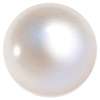
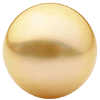
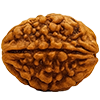
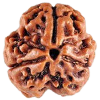
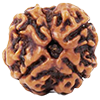
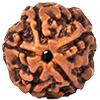
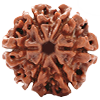
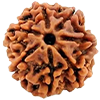
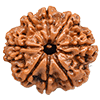
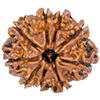
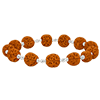
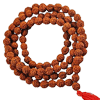


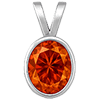

Amber
 Balances Solar Plexus & Sacral Chakra
Nurturing
Emotional Healing
Manifestation
Balances Solar Plexus & Sacral Chakra
Nurturing
Emotional Healing
Manifestation

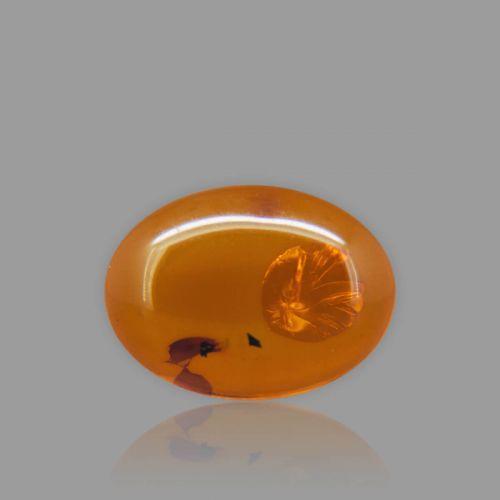
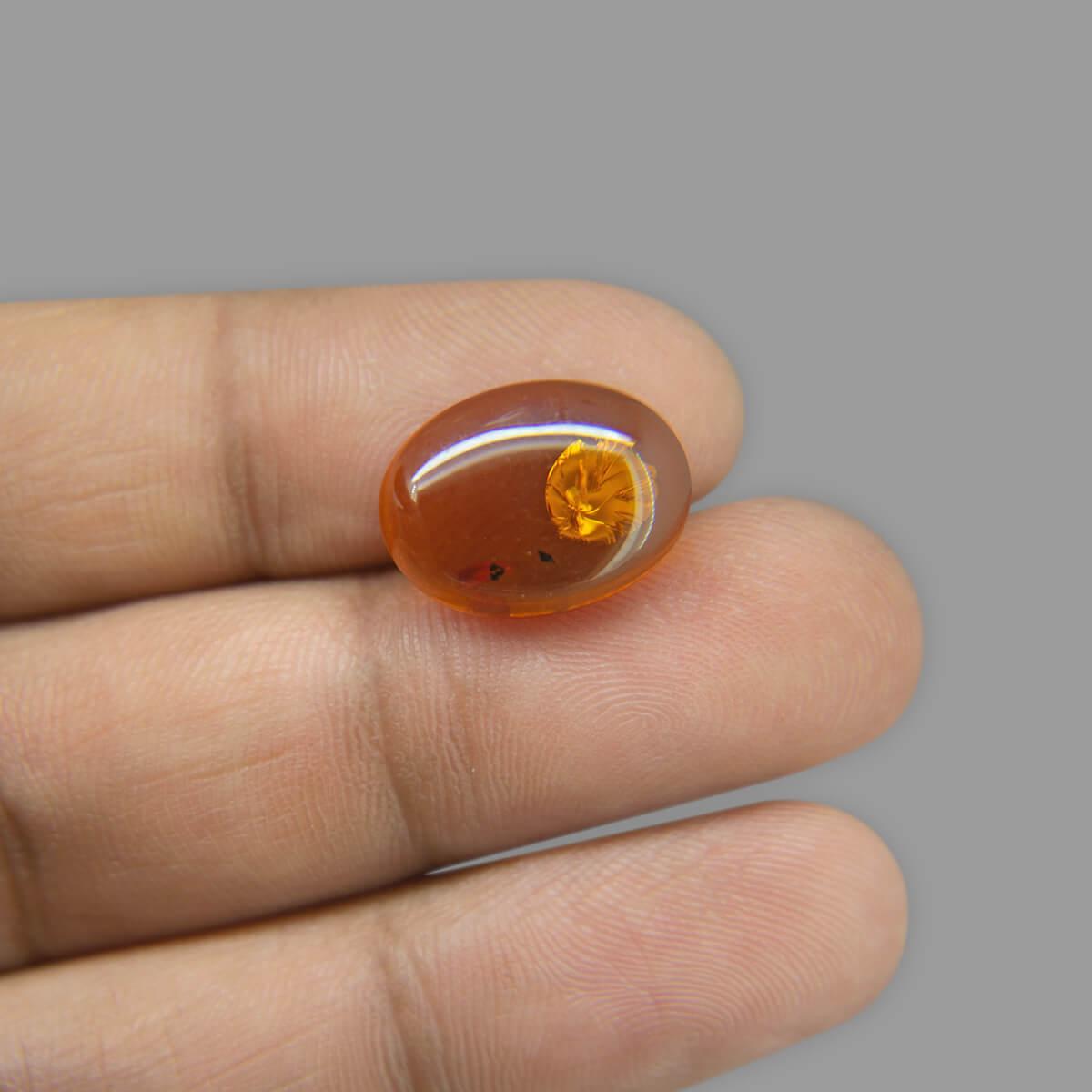

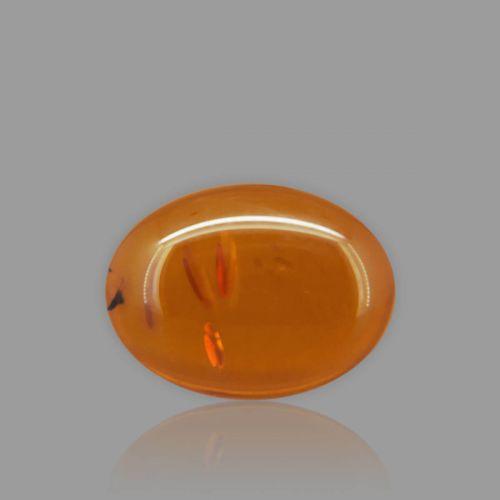
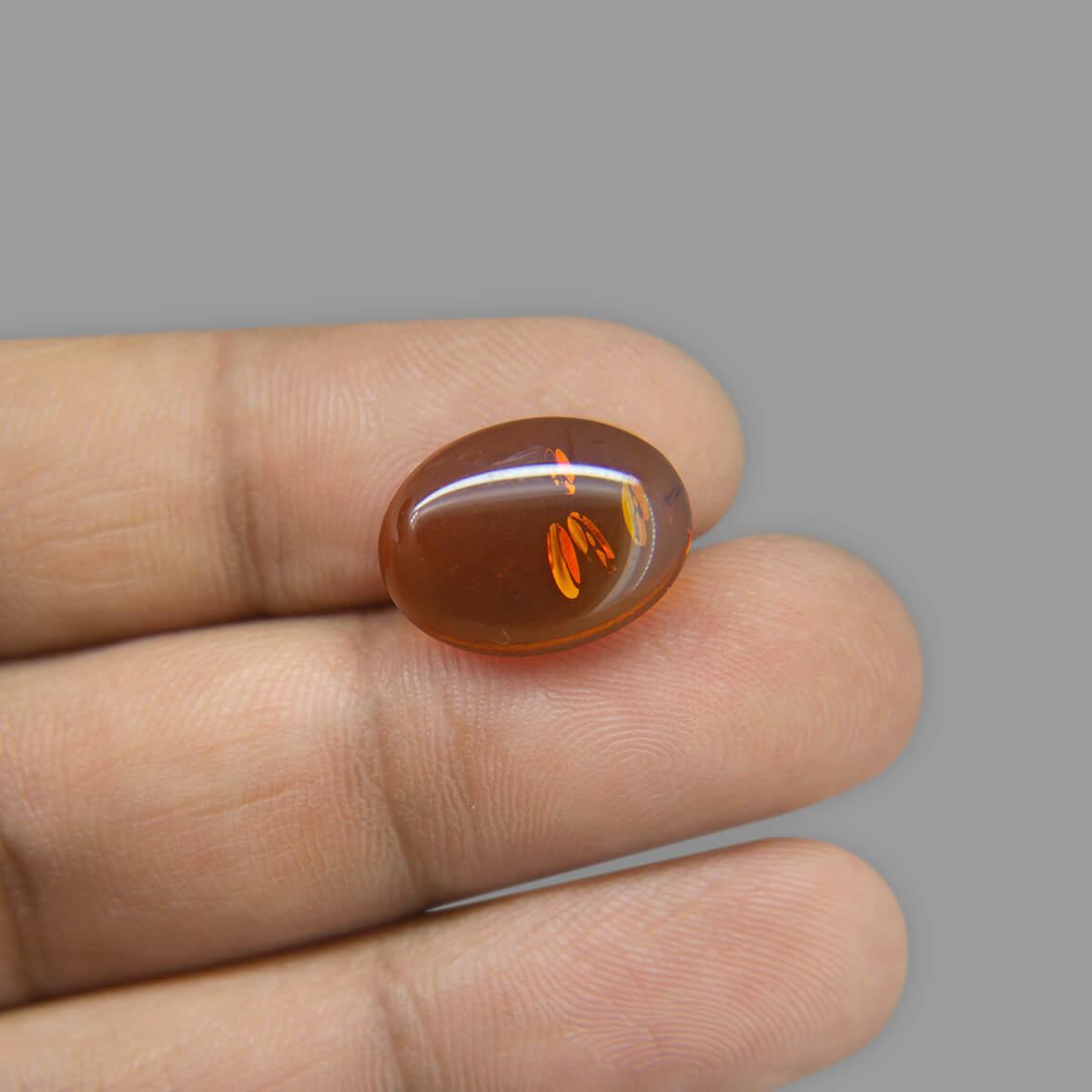
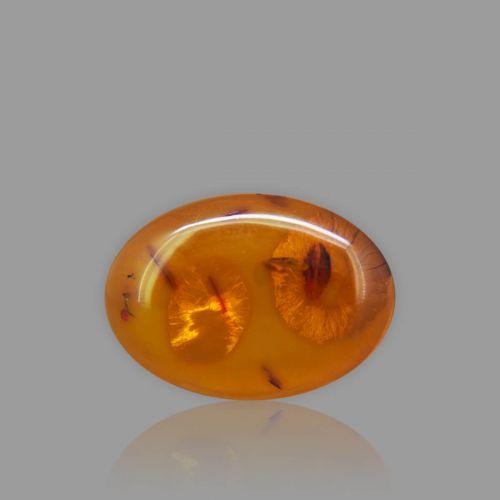
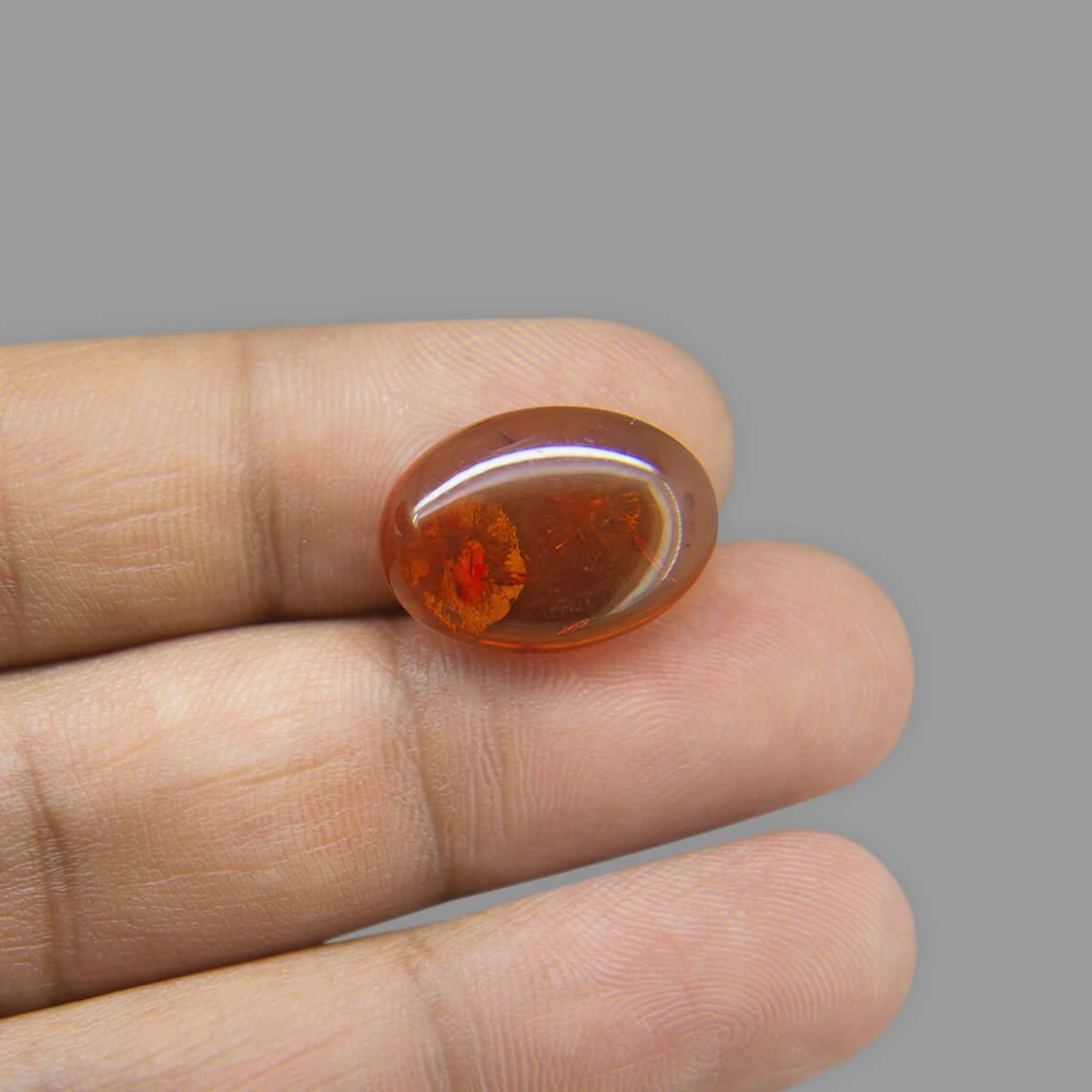
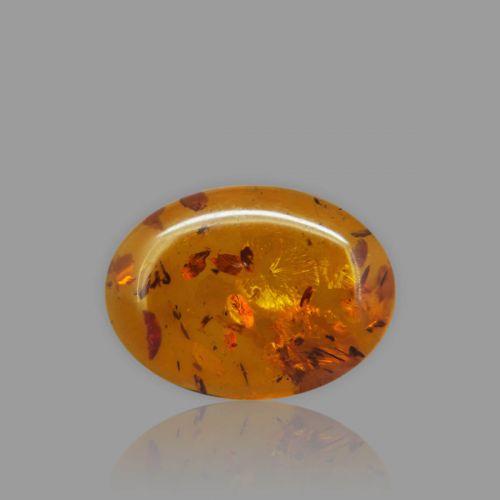
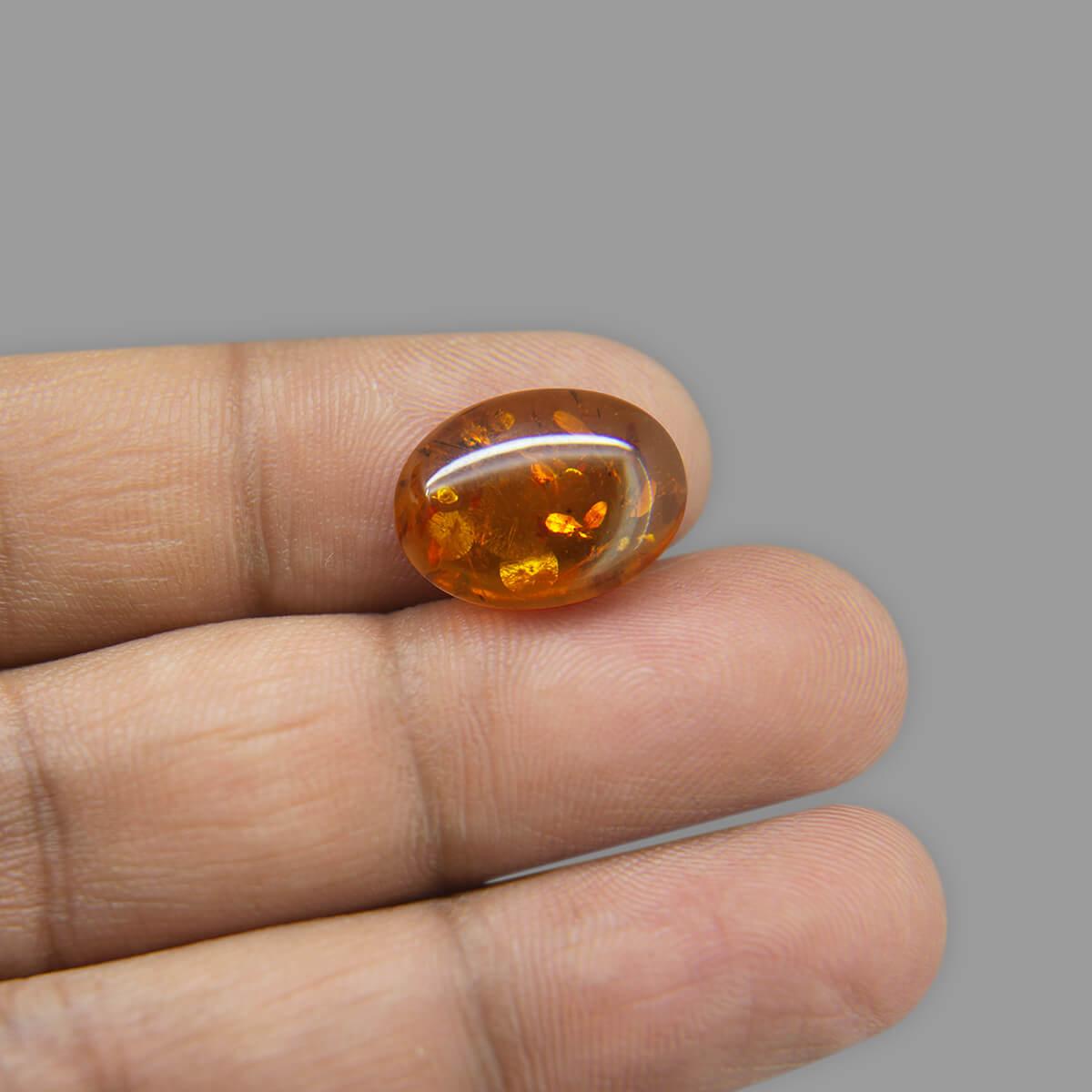
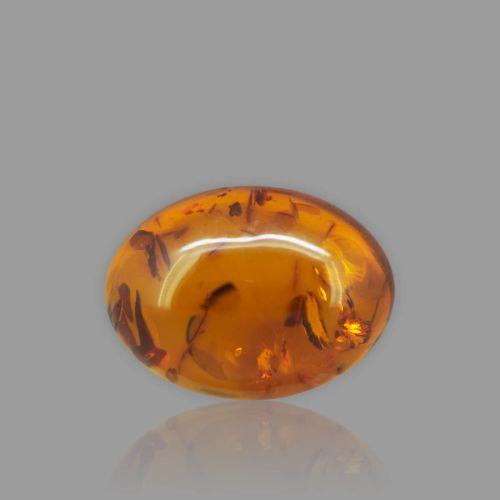
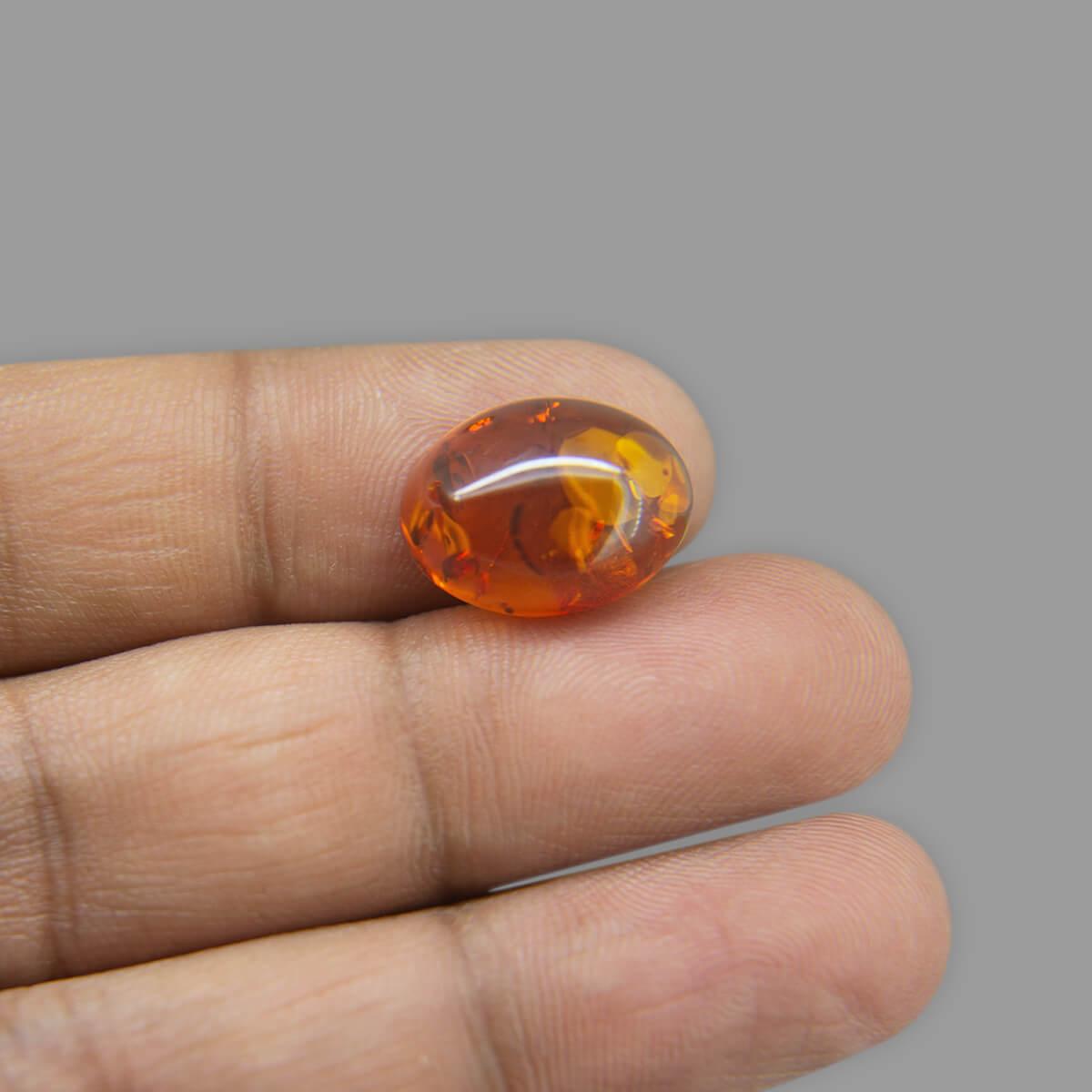
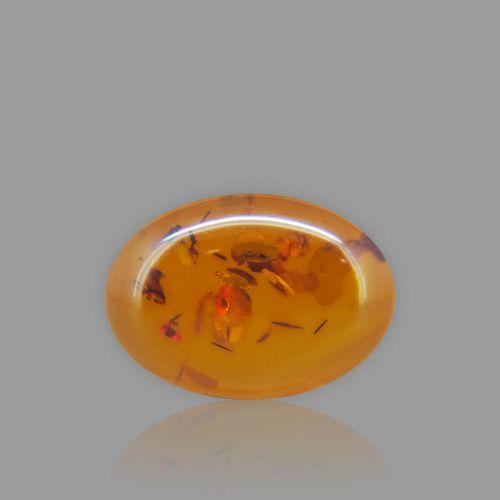
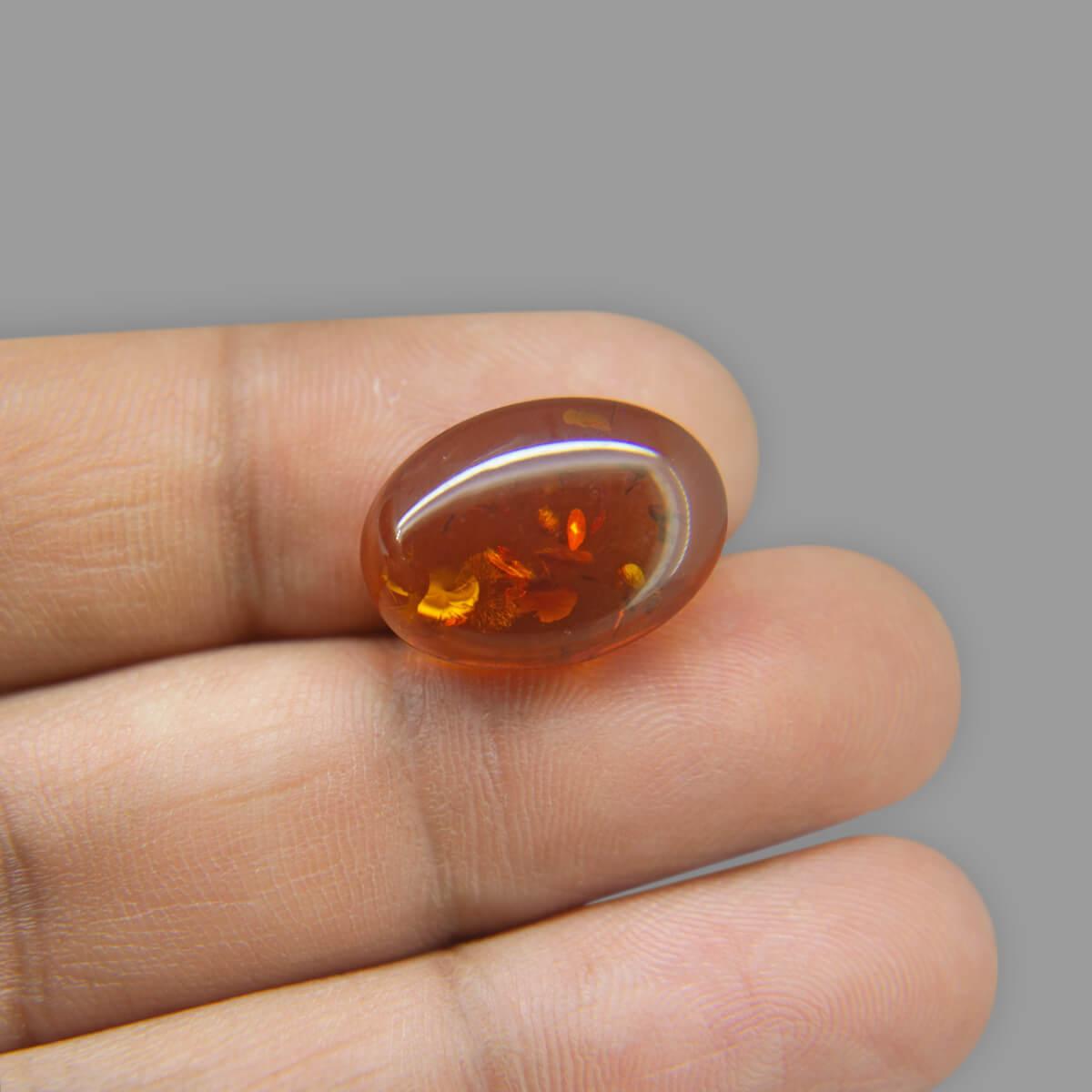
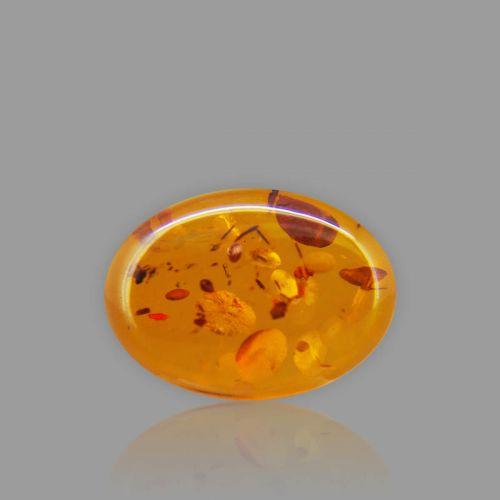
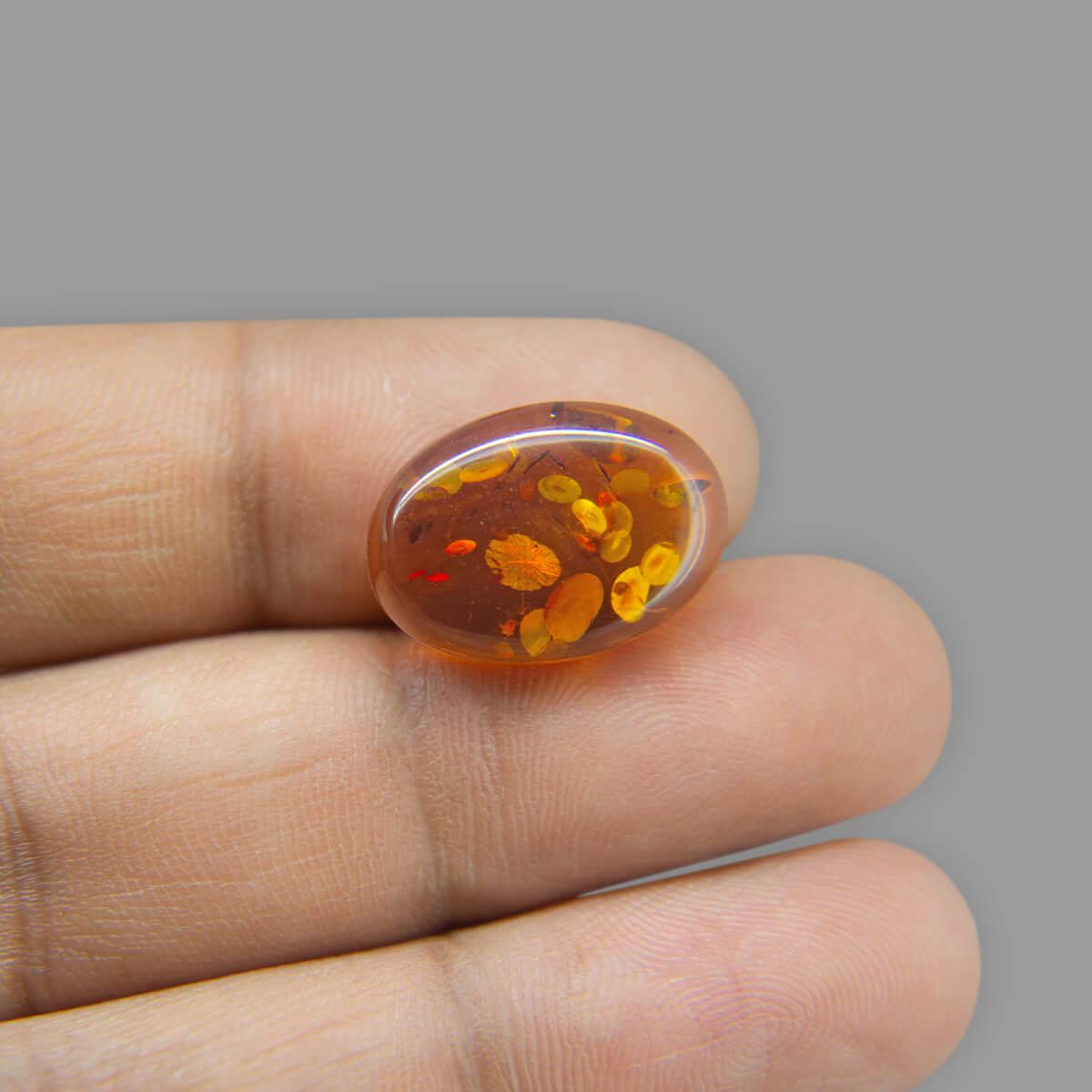

What is Amber? — The Only Organic Fossilised Gemstone
Amber is fossilised tree resin — the hardened, polymerised remains of the sticky, aromatic resin that ancient trees produced millions of years ago as a defence mechanism against insects, fungi, and physical damage. It is important to understand from the outset that Amber is resin, not tree sap. Sap is the fluid that circulates through a tree's vascular system — like blood in a body. Resin is a separate, aromatic, semi-solid substance secreted through the tree's outer cells specifically to protect against injury and disease. This resin, when produced in sufficient quantity and under the right conditions, oozed from ancient bark and branches, dripped to the forest floor, and began its extraordinary multi-million-year journey of transformation.
The process of amber formation is called polymerisation — a chemical transformation in which the organic compounds within the resin gradually bond together into increasingly stable, increasingly complex molecular structures. First the volatile terpene compounds evaporate, leaving a stickier, more stable proto-resin. Then, as the resin is buried under layers of sediment, heat and pressure over millions of years drive the polymerisation further, producing first copal (a partially hardened intermediate stage) and finally true amber — a fully stable, fully fossilised, chemically inert organic solid that will remain unchanged for millions of years more. This process takes a minimum of several million years; most commercially available Amber is between 30 and 100 million years old.
Amber is not classified as a mineral and does not have a crystalline structure. This makes it technically distinct from all other gemstones — which are minerals or, in a few cases, mineraloids. Amber is a fossilised organic material: more scientifically related to a fossil than to a crystal. This unique identity is not a limitation — it is the very source of Amber's most extraordinary quality: its ability to preserve living organisms within its structure for tens of millions of years.
Amber in History — Gold of the North
Amber's relationship with humanity is one of the most ancient, most continuous, and most globally far-reaching gemstone stories in history. The oldest known Amber jewellery pieces date back over 10,000 years — to the Neolithic period, when Baltic peoples crafted Amber into pendants, beads, and protective amulets long before any written record of their culture survives.
Ancient Egyptians used Amber in jewellery, protective talismans, and medicinal preparations — traces of Baltic Amber have been found in Egyptian tombs dating back 3,000 years, evidence of the extraordinary reach of the ancient Amber trade. Ancient Greeks called it elektron and believed it had magical properties — the static electricity it produced through friction seeming to them evidence of its connection to supernatural forces. Romans were so obsessed with Amber that Pliny the Elder devoted an entire section of his Natural History to it, and during the reign of Emperor Nero, a small amber figurine commanded a price greater than a slave — extraordinary testimony to how highly the Romans valued this golden organic gem.
The great Amber Road trade network — carrying Baltic Amber from the North Sea coast southward through Europe to the Mediterranean — was one of the defining commercial and cultural forces of the ancient world, spreading not just Amber but ideas, customs, languages, and technologies across thousands of miles of prehistoric Europe. In India, Amber has been used in Ayurvedic medicine, in sacred rituals, and in jewellery traditions for thousands of years — its warm golden colour, its pleasant resinous fragrance when warmed, and its purported healing properties giving it a cherished place in Indian cultural and healing heritage.
Did You Know? — Extraordinary Facts About Amber
The word electricity comes from the Greek word for Amber: When ancient Greek philosopher Thales of Miletus (around 600 BCE) rubbed a piece of Amber on wool, he observed that the Amber attracted small objects — feathers, bits of straw, ash — as if by an invisible force. He had discovered what we now call static electricity. The Greeks called Amber 'elektron' — and it is directly from this Greek word for Amber that the English word 'electricity' and the entire language of modern electrical science derive. Every time we use the word electric, electronic, electron, or electricity, we are unknowingly referencing a piece of ancient fossilised tree resin. This etymological connection between Amber and the foundational concept of modern physics and technology is one of the most remarkable and most profound intersections of natural history and human knowledge.
Amber gave us our first window into prehistoric life and inspired one of cinema's greatest stories: Long before Jurassic Park made amber-preserved DNA a household concept, scientists had been extracting genuine scientific knowledge from Amber's inclusions for centuries. Over 1,000 extinct animal species have been identified exclusively through their preservation in Amber — organisms for which no other fossil record exists and which would be entirely unknown to science without the extraordinary preservation that Amber provides. Ancient mosquitoes, spiders whose webs are still intact, beetles, ants, flowers, feathers, and even hair have been found perfectly preserved in their tens-of-millions-year-old golden tombs. Michael Crichton's Jurassic Park brought this scientific reality to global popular consciousness — and since its release, amber pieces containing mosquito inclusions have become among the most sought-after and most valuable collector specimens in the world.
Amber can float on salt water and feels warm to the touch — unlike any other gemstone: Amber has a specific gravity of approximately 1.08 — close to that of salt water — which means that genuine Amber will float or nearly float in a saturated salt water solution, while most imitations (glass, plastic, synthetic resin) will sink. This is one of the simplest and most reliable non-destructive tests for genuine Amber. Equally distinctive is Amber's thermal character: because fossilised resin is a very poor conductor of heat, Amber always feels warm to the touch — unlike mineral gemstones, which feel cool or cold when first held. This warmth — immediate, gentle, and unlike any mineral — is one of Amber's most immediately distinctive and most consistently reported physical qualities, and one that its healers and wearers have noted and cherished for thousands of years.
The Amber Road was one of humanity's most ancient and most important trade routes: Long before the Silk Road connected China to Rome, another great trade route connected the Baltic Sea — source of the finest Amber — to the Mediterranean civilisations of ancient Egypt, Greece, and Rome. This route, known as the Amber Road, carried Baltic Amber southward along the Vistula and Dnieper rivers, overland through Europe, and ultimately to the markets of Italy, Greece, Egypt, and the Middle East. Amber was so prized by the Romans that during the reign of Emperor Nero, a small amber figurine could command a price greater than that of a healthy slave. This extraordinary demand drove a trade network of thousands of miles that preceded and predated even the Silk Road — making Amber one of the earliest drivers of long-distance international commerce in human history.
Amber is the only gemstone where inclusions dramatically increase rather than decrease value: In every other gemstone family — Diamonds, Sapphires, Rubies, Emeralds, and all others — inclusions are flaws that reduce clarity, diminish beauty, and lower price. Amber is the sole exception to this universal gemological rule. In Amber, inclusions — particularly well-preserved prehistoric insects, spiders, and other organisms — transform an ordinary piece of golden resin into an extraordinary natural artefact of scientific and historical significance whose value can be many multiples of an equivalent piece without inclusions. A perfectly preserved mosquito in clear amber, a complete spider with all eight legs intact, or an ancient flower species known from no other fossil source can elevate a piece of Amber from a beautiful gemstone to a priceless window into geological time.
Amber Properties
| Property | Details |
|---|---|
| Material Type | Fossilised tree resin — organic gemstone — not a mineral or crystal |
| Chemical Nature | Complex mixture of polymerised terpenoid compounds — succinic acid (Baltic) |
| Hardness (Mohs) | 2.0 to 2.5 — soft; handle with appropriate care |
| Specific Gravity | Approximately 1.08 — floats in saturated salt water (authenticity test) |
| Age | 30 to 100+ million years — Baltic 30-50 million; Burmese 99 million |
| Colour Range | Golden yellow, honey, cognac, cherry red, green, blue (rare), white, black |
| Transparency | Transparent to opaque — transparent most valued for inclusions |
| Lustre | Resinous — warm, glowing, organic — unlike any mineral gemstone |
| Touch | Warm to the touch — poor heat conductor, unlike all mineral gemstones |
| Unique Quality | Only gemstone valued FOR its inclusions — insects, plants, air bubbles |
| Special Chemistry | Baltic Amber contains succinic acid — historically prized for healing |
| Primary Chakra | Solar Plexus Chakra (Manipura) — vitality, warmth, personal power |
| Secondary Chakra | Sacral Chakra (Svadhisthana) — creativity and emotional warmth |
| Fluorescence | Some varieties fluoresce — Dominican blue amber most spectacular |
| Static Electricity | Generates static electricity when rubbed — source of word electricity |
| World Sources | Baltic Sea (primary), Dominican Republic, Myanmar, Mexico, Canada |
| Imitation Warning | Copal, plastic, glass often sold as Amber — always verify authenticity |
Colour Varieties of Amber
Amber occurs in a remarkable range of colours — each caused by different combinations of tree species, geological conditions, and the presence of inclusions or impurities during fossilisation:
| Colour | Rarity | Primary Source | Key Character |
|---|---|---|---|
| Golden Yellow / Honey | Most common | Baltic Sea | Warm, luminous, classic Amber — most widely used |
| Cognac / Brown | Common | Baltic Sea | Rich warm brown tones — aged quality appearance |
| Cherry Red | Uncommon — 0.5% of amber | Mexico (Chiapas) | Deep wine-red — natural oxidation over millions of years |
| Green | Rare — approx 2% | Dominican Republic | Soft green from plant inclusions — highly sought by collectors |
| Blue | Extremely rare | Dominican Republic ONLY | Fluoresces electric blue in sunlight — world's rarest amber |
| White / Milky | Uncommon | Baltic Sea | Opaque from air bubbles — Royal Amber — historic significance |
| Black | Uncommon | Baltic, Myanmar | Dark from organic matter — reveals red-brown tones in light |
Blue Amber from the Dominican Republic is the rarest and most extraordinary colour variety of Amber in the world. It appears dark golden-brown under ordinary indoor light but transforms into a vivid, electric, almost supernatural blue when held in natural sunlight or under ultraviolet light. This remarkable fluorescence is caused by the presence of specific aromatic hydrocarbons within the amber that absorb and re-emit UV light as visible blue wavelengths. Only a tiny fraction of Dominican amber displays this quality — and fine blue amber commands some of the highest prices of any amber variety worldwide.
Inclusions — The Most Extraordinary Quality Unique to Amber
No other gemstone in the world is valued for its inclusions. In every other gemstone, an inclusion is a flaw — a reduction in clarity, beauty, and price. In Amber, inclusions are its most prized, most scientifically significant, and most financially valuable quality. The reason is simple and profound: Amber's inclusions are not cracks or mineral crystals — they are living organisms from tens of millions of years ago, preserved in extraordinary three-dimensional detail by the same fossilisation process that created the Amber itself.
How Inclusions Form in Amber
When ancient trees produced their sticky resin, they created one of the most effective and most indiscriminate preservation traps in natural history. Insects that landed on or crawled across the flowing resin became stuck. As they struggled to free themselves, more resin flowed over them, enveloping them completely and cutting them off from oxygen and bacteria — the two agents of biological decay. Encased in an anaerobic, chemically stable environment, the trapped organism was preserved not through mineralisation (as in most fossils) but in its original organic form — its internal structures, its surface textures, even its colours sometimes intact after tens of millions of years.
What Has Been Found in Amber
- Insects — the most commonly found inclusions: Mosquitoes, ants, beetles, flies, gnats, moths, and hundreds of other insect species — many extinct and known from no other fossil source — have been found perfectly preserved in Amber. Well-preserved, clearly visible insect inclusions dramatically increase the value of any Amber piece.
- Spiders and arachnids — among the most sought-after by collectors: Complete spiders, sometimes with their webs still intact, have been found in Amber of extraordinary scientific and collector significance. Spider silk from tens of millions of years ago, preserved in three-dimensional detail, is one of Amber's most remarkable palaeontological treasures.
- Plant material — flowers, leaves, seeds, and pollen: Ancient flowers from species long extinct, seeds of plants no longer found anywhere on earth, and pollen grains preserved in molecular detail have all been recovered from Amber inclusions — providing palaeobotanists with direct evidence of ancient plant life unavailable from any other fossil source.
- Air bubbles — ancient atmosphere preserved: The air bubbles trapped within Amber contain actual samples of the atmosphere as it existed tens of millions of years ago — a direct chemical record of the earth's ancient air composition that scientists have used to study the evolution of our atmosphere.
- Feathers, hair, and vertebrate material: Feathers from ancient birds, strands of hair from mammals now extinct, and in exceptional cases small vertebrate body parts have been found in Amber, adding to its extraordinary palaeontological significance.
The Jurassic Park effect: Since the release of Steven Spielberg's Jurassic Park in 1993 — which imagined dinosaur DNA being extracted from blood preserved in a mosquito trapped in Amber — pieces of Amber containing mosquito inclusions have become among the most sought-after and most valuable collector specimens in the world. While the science of Jurassic Park is fiction, the premise is rooted in genuine palaeontological reality: insects in Amber are genuine prehistoric organisms preserved in extraordinary detail, and their DNA has indeed been the subject of serious scientific investigation.
World Sources and Origins of Amber
Baltic Sea — The World's Premier Amber Source (70 to 90 percent of supply)
The Baltic Sea region — encompassing primarily Russia (Kaliningrad Oblast), Poland, Lithuania, Estonia, and Latvia — is the world's most important, most historically significant, and most commercially productive Amber source, responsible for 70 to 90 percent of all Amber in global supply. Baltic Amber formed 30 to 50 million years ago from the resin of ancient coniferous forests that covered what is now Scandinavia. It is distinguished by its high content of succinic acid — a naturally occurring organic compound present only in Baltic Amber and traditionally prized for its healing properties. Baltic Amber is found in marine sediments beneath and around the Baltic Sea, and has been washing ashore along the coasts of Poland, Lithuania, and Germany for thousands of years — earning its historical nickname Seastone and Gold of the North.
Dominican Republic — Clearest Amber and World's Only Blue Amber
Dominican Amber, formed 15 to 40 million years ago in the Caribbean forests of what is now the Dominican Republic and Haiti, is celebrated worldwide for two exceptional qualities: its extraordinary transparency and clarity — significantly clearer than most Baltic material — and its production of the world's only natural blue amber. Dominican amber also contains a remarkably high proportion of insect and plant inclusions, and its superior clarity makes these inclusions particularly visible and particularly beautiful. The blue amber variety — which transforms from dark golden-brown to vivid electric blue in natural sunlight — is found only in the Dominican Republic and represents one of the most extraordinary and most rare colour phenomena in the entire gemstone world.
Myanmar (Burma) — The Most Ancient Commercial Amber
Burmese Amber, known as Burmite, is by far the most ancient commercially exploited Amber in the world — uranium-lead dating has established its age at approximately 99 million years old, placing it in the Cretaceous period when dinosaurs still walked the earth. Burmite has been of immense scientific significance, with over 1,300 species described from its inclusions — more than from any other single Amber deposit. Its colour tends toward dark brown to near-black. Due to its extraordinary geological age, Burmite has become one of the most scientifically important natural materials in palaeontology, providing direct evidence of Cretaceous forest life from the time of the dinosaurs.
Mexico (Chiapas) — Cherry Red and Rich Colour Range
Mexican Amber, primarily from the Chiapas region of southern Mexico, is known for its exceptional colour range — from pale yellow through vivid orange to the celebrated deep cherry red, produced through natural oxidation processes over millions of years. Chiapas Amber is typically 22 to 26 million years old and is frequently very clear, displaying beautiful inclusions with excellent visibility. The deep cherry red variety is highly prized in jewellery for its rich, wine-like colour and warm, glowing beauty.
Canada, Sicily, and Other Sources
Amber has also been found in commercially meaningful quantities in Canada (particularly Alberta — associated with Cretaceous-era deposits), in Sicily (known as Simetite — producing beautiful red and fluorescent varieties), and in smaller quantities from numerous other locations worldwide including Sumatra and various parts of Europe.
✦ Why Shubh Gems for Amber? Shubh Gems offers genuine natural Amber carefully sourced for quality, clarity, and natural character. Every piece is verified as genuine fossilised resin — not copal or synthetic imitation.
Who Should Use Amber?
Amber carries no astrological significance in Vedic gemstone therapy — it is chosen for its healing energy, its extraordinary natural history, and its warm, organic beauty. Choose Amber if any of the following resonate:
- Those seeking warmth, comfort, and a sense of being gently held and supported by the earth's most ancient energies
- Those experiencing low vitality, physical depletion, or the need for sustained immune support
- Those drawn to natural history and the extraordinary story of prehistoric life — every inclusion-bearing Amber is a genuine window into the world of 30 to 100 million years ago
- Those seeking creative inspiration, emotional warmth, and the dissolving of creative blocks
- Collectors and natural history enthusiasts who appreciate genuinely unique natural objects
- Those drawn to organic, earth-born, naturally warm materials as an alternative to the cool minerality of conventional gemstones
- Those in healing practices who work with the chakra system and seek a deeply warming Solar Plexus and Sacral Chakra stone
- Those who appreciate the extraordinary history of this gemstone — the Amber Road, its role in the discovery of electricity, its 10,000 years of continuous human use
✦ Why Shubh Gems for Amber? All Amber at Shubh Gems is genuine natural fossilised resin. Already activated and energised by our healing experts. Backed by our Lifetime Guarantee of Authenticity.
How to Use Amber
- Wear as a bead bracelet or necklace — the most traditional and most effective method of working with Amber for healing purposes; direct skin contact is believed to facilitate the gentle absorption of succinic acid in Baltic Amber
- Wear as a ring or pendant — keeping Amber's warm, protective, solar energy close to the body throughout the day
- Place on the Solar Plexus during meditation — holding or placing Amber on the upper abdomen during meditation for direct Solar Plexus Chakra activation and the cultivation of warmth, vitality, and personal power
- Burn Amber incense or resin — as it has been burned for thousands of years across cultures for purification, protection, and the creation of sacred space; Amber's pleasant, warm, resinous fragrance is one of the most ancient and most universally valued incense materials
- Display inclusions specimens — pieces of Amber with extraordinary insect or plant inclusions are best displayed where natural light can illuminate the inclusion; a strong LED torch or penlight held behind the stone reveals the three-dimensional detail of any preserved organism with extraordinary clarity
Amber at Shubh Gems
- Natural Amber Bead Bracelets and Necklaces: Natural Amber beads in a range of sizes, colours, and qualities — the most traditional, most wearable, and most healing-effective way to work with Amber. Baltic golden yellow, cognac, and cherry red beads available. Already activated and energised, ready to wear.
- Fine Loose Amber Stones: Natural Amber in a range of sizes and colour qualities — including pieces with visible inclusions for collectors and natural history enthusiasts. Each piece verified as genuine fossilised resin. Ideal for customised jewellery creation and healing practices.
- Customised Rings: Natural Amber set in silver or gold — cabochon settings that display Amber's warm, glowing, organic beauty to maximum effect. Amber's softness means protective settings are recommended for daily-wear rings.
- Customised Pendants: Amber pendants in silver and gold — particularly effective for those wishing to keep Amber close to the body for healing purposes, or to display inclusion-bearing pieces where the inclusion can be appreciated and admired.
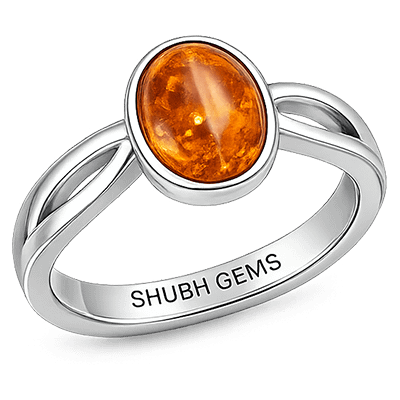
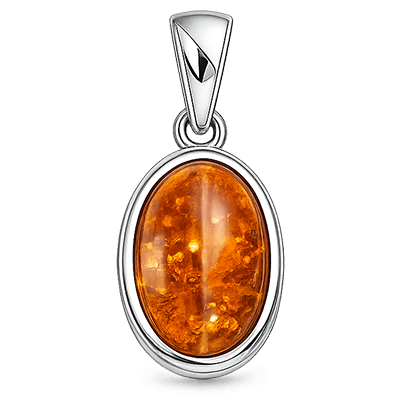
Best metal for Amber: Silver is the most widely and most beautifully used metal for Amber — its cool brightness creating a striking and elegant contrast with Amber's warm golden tones. Yellow gold creates a harmoniously warm, richly golden combination. Both suit Amber beautifully and both have long historical associations with Amber jewellery.
Care and Cleaning of Amber
- Clean with a very soft, slightly damp cloth only — no brushes, no abrasive materials of any kind. Even a soft toothbrush can scratch Amber's surface.
- Avoid all chemical cleaners — perfume, cologne, hairspray, hand cream, sunscreen, and even soap can damage and cloud Amber's surface. Apply all personal care products before putting on Amber jewellery.
- Avoid ultrasonic cleaners and steam cleaners — both will damage Amber.
- Avoid prolonged direct sunlight — extended UV exposure can gradually affect Amber's surface and colour stability. Store away from strong direct light.
- Avoid heat — do not leave Amber in hot cars, near radiators, or in any hot environment. Heat can cause Amber to crack, craze, or become cloudy.
- Store separately in a soft-lined pouch or compartment — away from all other gemstones. Even soft gemstones like pearls can scratch Amber. Never store Amber with mineral gemstones.
- Polish occasionally with a small amount of olive oil on a soft cloth — a tiny amount of olive oil gently polished into the surface of Amber restores its natural lustre and warmth beautifully, a traditional care method used for thousands of years.
Amber requires much more careful handling than mineral gemstones. Its Mohs 2 to 2.5 hardness means it is easily scratched. Avoid contact with perfumes, hairsprays, cosmetics, sunscreen, and all chemical products. Store separately from all other gemstones. Handle with gentleness and mindfulness.
Healing Benefits of Amber
Vitality, warmth and life force energy:
Amber carries the warmth of ancient sunlight within its golden depths — the stored solar energy of millions of years of forest growth, concentrated and preserved in each piece. This warm solar energy is believed to directly support physical vitality, boost the body's immune response, and fill the wearer with a sustained, steady warmth of energy that is particularly valuable during periods of depletion, illness, or cold-season vulnerability.
Succinic acid and traditional healing:
Baltic Amber is uniquely distinguished by its significant content of succinic acid — a naturally occurring organic compound that is absorbed in tiny quantities through the skin when Amber is worn directly against the body. Succinic acid is a naturally occurring compound in the human body and has traditionally been associated with anti-inflammatory, analgesic, and immune-supporting properties. The use of Baltic Amber for teething pain in infants and for joint inflammation in adults is a deeply rooted traditional practice — particularly in Baltic and Eastern European folk medicine — that has persisted for thousands of years.
Protection, cleansing and purification:
Across virtually every ancient culture that encountered Amber — from the Baltic peoples who first discovered it to the Greeks, Romans, Egyptians, and Indians who prized it — Amber was associated with protection against harm, evil, and negative energy. Its warm, glowing, solar quality was seen as a natural repellent of darkness and negativity. In many cultures, Amber was burned as incense for its aromatic, purifying properties — its pleasant, resinous smoke believed to cleanse spaces and people of negative energies and to invite positive, protective forces.
Emotional warmth, calming and stress relief:
Amber's energy is deeply calming and emotionally warming — its organic, earth-born, sun-stored quality creating a sense of being held, supported, and gently warmed by the earth's oldest and most patient natural forces. It is particularly recommended for those experiencing anxiety, stress, emotional coldness, or the sense of being disconnected from warmth and comfort. Its calming influence is neither sedating nor dulling but warming — the particular quality of calm that comes from being genuinely, steadily supported.
Creativity, optimism and manifestation:
Through its Sacral and Solar Plexus Chakra connections, Amber supports creativity, optimism, and the manifestation of positive intentions. It is particularly recommended for those in creative fields who need to access the warm, flowing, generative quality of imagination without the blocks of self-criticism and anxiety that can inhibit creative flow. Its ancient, patient, optimistic energy is a reminder that life is extraordinarily resilient, extraordinarily beautiful, and extraordinarily long — a perspective that Amber, formed over millions of years, embodies more completely than any other gemstone.
Memory, wisdom and connection to the past:
Amber is the ultimate memory stone — not metaphorically but literally, in that every piece of Amber contains actual preserved memories of the world as it existed millions of years ago. This connection to deep time and to the accumulated wisdom of the earth's most ancient history gives Amber a quality of grounded, patient, deeply-rooted wisdom that is unlike any other gemstone. Working with Amber is working with an object that is genuinely millions of years old — a perspective shift that many find profoundly grounding, profoundly humbling, and profoundly reassuring.
Chakra Connection — Solar Plexus and Crown
Solar Plexus Chakra (Manipura) — Primary
Amber's warm, golden, sunlit colour resonates most powerfully with the Solar Plexus Chakra (Manipura) — the energy centre in the upper abdomen governing personal power, confidence, vitality, and the body's fundamental life force. Its warm, slow-burning, deeply organic energy fills the Solar Plexus with a quality of golden warmth and steady, sustained vitality that is uniquely its own — not the sharp, immediate activation of citrine or yellow topaz, but a deeper, more ancient, more patient warmth, like the sustained warmth of sunlight filtered through millions of years of earth.
Sacral Chakra (Svadhisthana) — Secondary
Amber also resonates with the Sacral Chakra (Svadhisthana) — the energy centre in the lower abdomen governing creativity, emotional warmth, sensual pleasure, and the flow of vital life energy through the body. Through the Sacral Chakra, Amber supports creative expression, emotional openness, and the kind of warm, flowing, generative energy from which artistic creation and genuine emotional connection naturally arise.
Quality Factors and Price for Amber
Amber quality is assessed on the following factors — each contributing to the overall beauty and value of an individual stone:
- Colour — primary aesthetic quality factor: The finest and most commercially prized Amber colours are the clearest, warmest golden yellow and cognac tones with excellent transparency. Cherry red from Mexico and blue from the Dominican Republic command the highest colour premiums. White and black are niche collector varieties. Cloudy or opaque material is generally lower in value unless its opacity creates a specific aesthetic quality that is intentional and attractive.
- Inclusions — the unique value multiplier: The most important value-adding quality unique to Amber. A clearly visible, well-preserved insect in clear golden Amber commands multiples of the price of an equivalent piece without inclusions. Mosquito inclusions are particularly popular since Jurassic Park. Spider inclusions with intact webs, rare plant species, and multiple organisms are among the most valuable collector inclusions. Plant material alone adds minimal commercial value — animal inclusions are the primary premium driver.
- Clarity and transparency: Clear, transparent Amber in which inclusions are brilliantly visible commands the highest prices. Cloudiness from air bubbles reduces both the visibility of inclusions and the overall visual quality — though some collectors prize specific cloudy varieties for historical or aesthetic reasons.
- Size: Larger pieces of natural Amber are considerably rarer than small pieces, as the geological processes of fossilisation tend to break resin into smaller fragments. Large, solid, high-quality pieces command significant size premiums. In the trade, Amber is typically sold by gram weight rather than by carat.
| Quality Category | Relative Price | Key Value Factors |
|---|---|---|
| Common clear amber, no inclusions | Accessible | Colour quality, clarity, size, origin |
| Clear amber with plant inclusions | Moderate | Visibility and rarity of plant material |
| Clear amber with insect inclusions | Significant premium | Species, clarity, size of organism, completeness |
| Rare colour amber (cherry red, green) | Premium | Colour intensity, clarity, origin, size |
| Dominican blue amber | High premium | Intensity of blue fluorescence, size, clarity |
| Price range at Shubh Gems | Based on colour, size, inclusions | All categories available — enquire for current stock and pricing |
✦ Why Shubh Gems for Amber? The most reliable method of confirming genuine Amber is purchase from a trusted, certified source with a clear authenticity guarantee. Shubh Gems is transparent about origin, age, and any enhancement status of every piece we sell.
Buying Guide — What to Look for in Amber
- Colour warmth and transparency are the primary quality indicators — the finest Amber displays a warm golden yellow or cognac colour with a glowing inner quality when held to light. Avoid pieces with unnaturally flat, uniform colour — this is a hallmark of plastic or resin imitation.
- For inclusion-bearing pieces, examine carefully — genuine prehistoric inclusions show natural wear and imperfect positioning. Perfectly posed, suspiciously intact modern-looking insects in very cheap Amber are a strong warning sign of fake inclusions injected into plastic or copal resin.
- Pick up the piece before buying — genuine Amber is noticeably light for its size and always warm to the touch. If it feels heavy like glass or cold like a mineral gemstone, it is not genuine Amber.
- Know the salt water float test — genuine Amber floats in a saturated salt solution (1 part salt to 4 parts water); most plastics and glass sink. This is the simplest and most reliable non-destructive authenticity test available.
- Always ask about origin — Baltic (30 to 50 million years, succinic acid), Dominican (clearest, rare blue variety), Burmese (99 million years, most ancient), Mexican (cherry red). A reputable seller will know and will tell you. Shubh Gems is fully transparent about origin and age.
- Beware of copal being sold as Amber — copal is partially fossilised young resin (only thousands of years old) frequently misrepresented as genuine Amber. It becomes sticky when acetone is applied and shows little UV fluorescence. Always purchase from a certified, trusted source.
Natural Amber vs Copal vs Imitations — The Critical Warning
The Amber market contains significant quantities of imitation and misrepresented material. Copal (partially fossilised young resin), plastic, and glass are all sold as Amber at Amber prices. Understanding the differences is essential before any purchase.
Copal — The Most Common Imitation
Copal is partially fossilised tree resin that is typically only thousands to hundreds of thousands of years old — not the millions of years required for true Amber. It looks very similar to Amber and is frequently sold as Amber, particularly in markets in Colombia, Madagascar, and parts of Africa. Copal becomes sticky when a drop of acetone or alcohol is applied to its surface — genuine Amber is chemically inert and will not react. Copal also typically shows inclusions that are too perfectly preserved — the organisms appear too fresh, too perfectly intact, suggesting much more recent entrapment.
Simple Tests for Genuine Amber
- Salt water float test: Place the piece in a saturated salt water solution (approximately 1 part salt to 4 parts water). Genuine Amber floats; most plastics and glass sink. Some plastics with air bubbles may float — this test alone is not conclusive.
- Warmth test: Genuine Amber is always warm to the touch. If a piece feels cool or cold like a mineral gemstone, it is not genuine Amber.
- Static electricity test: Vigorously rub the piece on wool for 30 seconds. Genuine Amber will develop enough static charge to attract small pieces of paper or ash. Most imitations will not.
- Acetone test: Apply a drop of acetone (nail polish remover) to an inconspicuous spot. Genuine Amber will not react. Copal will become slightly sticky. Plastic will dissolve or become tacky.
- Smell test: Genuine Amber warmed gently releases a distinctive, pleasant, pine-resin fragrance. Plastic imitations release a harsh, acrid smell.
- UV light test: Many genuine Ambers fluoresce under UV light — Baltic Amber typically shows a blue-white fluorescence. Dominican blue Amber shows extraordinary vivid blue fluorescence.
✦ Why Shubh Gems? Shubh Gems is your most trusted source for genuine natural Amber in India. Carefully verified as genuine fossilised resin. Amber beads, loose stones, customised rings and pendants in silver and gold. Already activated and energised. Lifetime Guarantee of Authenticity. 25 plus years of trust. Call or WhatsApp: +91-8010-555-111 or visit www.shubhgems.com.
Why Buy Amber from Shubh Gems?
Genuine. Ancient. Already activated. Nature's golden time capsule.
- Genuine Natural Amber — verified fossilised resin, not copal or synthetic
- 30 to 100 million years old — the most ancient organic gemstone
- The only gemstone valued FOR its inclusions — insects, plants, ancient life
- Solar Plexus and Sacral Chakra — warmth, vitality, creativity and protection
- Amber Beads and Necklaces for daily healing wear
- Customised Rings and Pendants in Silver and Gold
- Loose Stones for Collectors and Healing practitioners
- Already Activated and Energised — by our healing experts
- Lifetime Guarantee of Authenticity — 25 Plus Years of Trust
- Lajpat Nagar, New Delhi — Worldwide Delivery
Call / WhatsApp: +91-8010-555-111 | www.shubhgems.com
Frequently Asked Questions About Amber
What is Amber gemstone?
Amber is a fossilized tree resin, not a mineral gemstone. It is known for its warm golden to honey color and lightweight feel, and often contains natural inclusions like plant material or insects.What are the benefits of Amber?
Amber is believed to:- Promote healing and calming energy
- Reduce stress, anxiety, and negativity
- Support emotional balance and well-being
- Bring warmth, positivity, and protection
Who can wear Amber stone?
Amber can be worn by anyone, as it is not restricted by astrology. It is especially popular for healing, calming, and soothing energy.What is the price of Amber in India?
The price of Amber depends on colour, clarity, inclusions, and origin. It generally ranges from ₹400 to ₹5,000+, with rare pieces (especially with inclusions) being more expensive.Where is Amber found (origin)?
Amber is mainly found in:- Baltic region (Poland, Lithuania, Russia) – Best quality
- Dominican Republic
- Myanmar (Burma)
What is the best quality Amber?
The best quality Amber has:- Rich golden to honey color
- High clarity or rare natural inclusions
- Lightweight and smooth finish