 +91 - 8010-555-111
 INR
INR  AUD - Australian Dollar
  BHD - Bahraini Dinar
  GBP - British Pound
  CAD - Canadian Dollar
  EUR - Euro
  HKD - Hong Kong Dollar
  IDR - Indonesian Rupiah
  ILS - Israeli New Shekel
  JPY - Japanese Yen
  KWD - Kuwaiti Dinar
  MYR - Malaysian Ringgit
  MUR - Mauritian Rupee
  NZD - New Zealand Dollar
  OMR - Omani Rial
  PHP - Philippine Peso
  QAR - Qatari Riyal
  SAR - Saudi Riyal
  SGD - Singapore Dollar
  CHF - Swiss Franc
  USD - US Dollar
  AED - United Arab Emirates Dirham
  VND - Vietnamese Dong






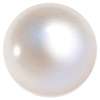
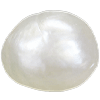
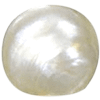
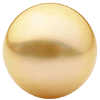
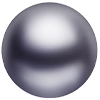
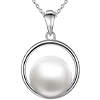



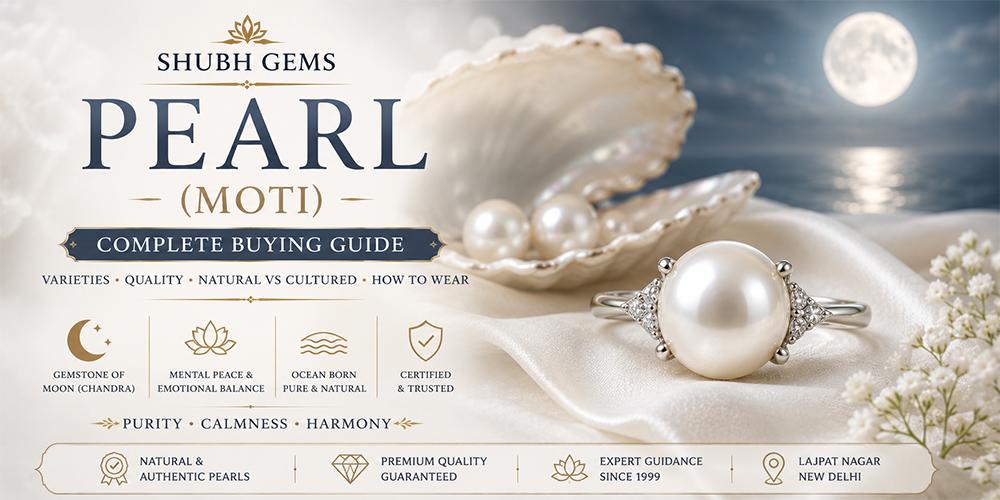
Pearl is unlike every other gemstone in the Navratna. It is not mined from the earth, not formed through geological processes, and not shaped by millions of years of heat and pressure. Pearl is created by a living creature — an oyster — in the quiet depths of the ocean. This organic origin is precisely what makes Pearl one of the most gentle, nurturing, and powerful astrological gemstone for the Moon (Chandra) in Vedic astrology.
But the Pearl market is perhaps the most confusing of all Navratna gemstone categories for buyers. The difference between a natural Pearl, a cultured Pearl, a freshwater Pearl, and a plastic imitation is not always visible to the naked eye — yet the difference in astrological value is enormous. This guide cuts through the confusion clearly, covering which Pearl varieties work for astrology, what quality means for an organic gemstone, current price ranges, and the complete wearing guide for Moti stone.
What Is Pearl (Moti Stone)?
Pearl is an organic gemstone — formed naturally inside the body of an oyster or mollusc as a response to an irritant. The oyster secretes layers of nacre (a crystalline substance also called mother-of-pearl) around the irritant over months and years, building up the smooth, lustrous gem we call Pearl. It is classified alongside Red Coral and Amber as one of the few organic members of the gemstone world.
Pearl is known by several names across India: Moti or Moti Ratna (Hindi), Mukta or Muktaphala (Sanskrit), Muthu (Tamil and Telugu), and Marvarid (Urdu/Persian).
In Vedic astrology, Pearl is the gemstone of the Moon (Chandra) — the planet governing the mind, emotions, mental peace, intuition, mother and maternal relationships, fertility, and inner stability. A strong Moon in the horoscope creates emotional balance, mental clarity, nurturing qualities, and a calm, receptive nature. A weak or afflicted Moon can manifest as anxiety, mood instability, mental restlessness, poor sleep, emotional sensitivity, and strained relationships with the mother.
Wearing a natural, high-quality Pearl strengthens the Moon's energy in the horoscope — bringing mental peace, emotional stability, clarity of thought, and harmony in personal and family relationships.
Who Should Wear Pearl (Moti)? Lagna & Rashi Guide
The guidance below is based on traditional Vedic astrology principles from classical texts and is for general reference only. The Moon's placement and house lordship in your specific chart is unique to you. Connect with our Astro Vedic Experts for a free personalised recommendation at shubhgems.com/astro-advice — and speak with our Gemstone Experts on +91-8010-555-111 for quality and buying guidance.
Lagnas Most Suited for Pearl
- Cancer Ascendant (Karka Lagna) — Moon is the Lagna lord. Pearl is the primary gemstone. Strongly recommended for mental peace, emotional stability, and overall wellbeing
- Aries Ascendant (Mesh Lagna) — Moon rules the 4th house (home, mother, emotional happiness). Beneficial for family harmony and mental peace
- Scorpio Ascendant (Vrishchik Lagna) — Moon rules the 9th house (fortune and dharma). Beneficial for fortune and relationship with the mother after careful consultation.
- Sagittarius Ascendant (Dhanu Lagna) — Moon rules the 8th house. Requires careful birth chart analysis before wearing.
- Pisces Ascendant (Meen Lagna) — Moon rules the 5th house (intelligence and children). Beneficial for creative intelligence and relationship with children.
- Leo Ascendant (Simha Lagna) — Moon rules the 12th house. Generally requires expert evaluation before recommending Pearl.
Pearl is also commonly worn during Chandra Mahadasha or Chandra Antardasha, and is widely recommended for those experiencing anxiety, mental restlessness, sleep disturbances, or strained relationships with the mother — all of which can be indicators of a weak or afflicted Moon in the birth chart. Pearl is also commonly worn during Chandra Mahadasha or Chandra Antardasha, and is widely recommended for those experiencing anxiety, mental restlessness, sleep disturbances, or strained relationships with the mother — all of which can be indicators of a weak or afflicted Moon in the birth chart.
Pearl Varieties — Which One Is Right for Astrological Use?
This is the most important question in the Pearl market — and the one where most buyers get confused. Not all Pearls are equal for astrological purposes. Understanding the difference between natural sea Pearls, South Sea cultured Pearls, Keshi Pearls, and freshwater Pearls is essential before making any purchase decision.
Natural Sea Pearls — Basra and Venezuela: The Finest for Astrology
Natural Pearls are formed entirely without human intervention — an oyster in the wild forms a Pearl spontaneously around a naturally occurring irritant. No nucleus is inserted, no farming is involved. The Pearl grows layer by layer of pure nacre over many years in the open ocean.
Basra Pearl — from the waters of the Persian Gulf, particularly the historic pearl beds near Basra in Iraq — is the most celebrated natural Pearl in the Indian astrological tradition. Basra Pearl have been treasured in India for centuries and are considered the finest for Vedic astrological use. Their extraordinary lustre, dense nacre, and natural ocean formation make them the gold standard for Moon gemstones.
Venezuela Pearl — natural sea Pearls from the Caribbean waters of Venezuela — are another variety of genuine natural Pearl stocked at Shubh Gems. Like Basra Pearl, Venezuela Pearl form without human intervention in natural ocean conditions, making them equally valid for astrological purposes.
Natural Pearls of genuine quality are extraordinarily rare in today's market — centuries of pearl diving have significantly depleted natural pearl beds worldwide. This rarity makes them highly valuable. At Shubh Gems, natural sea Pearls — Basra and Venezuela — are available for buyers for whom budget is not a limitation, priced at ₹20,000 and above per carat. If you are seeking the absolute finest for Moon strengthening, a genuine natural sea Pearl is the most potent choice.
South Sea Pearl — Excellent Quality for Astrological Use
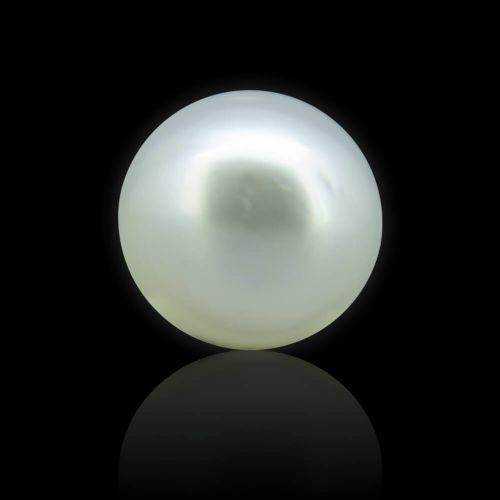
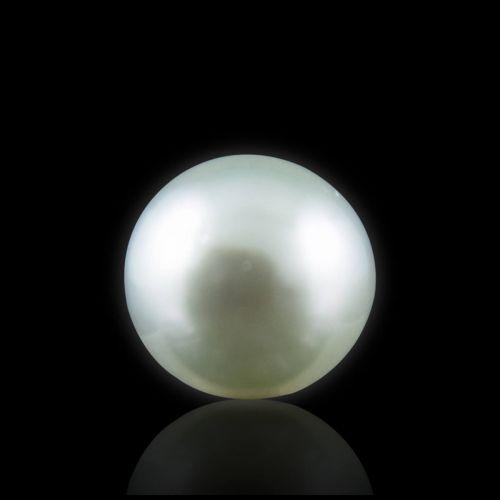
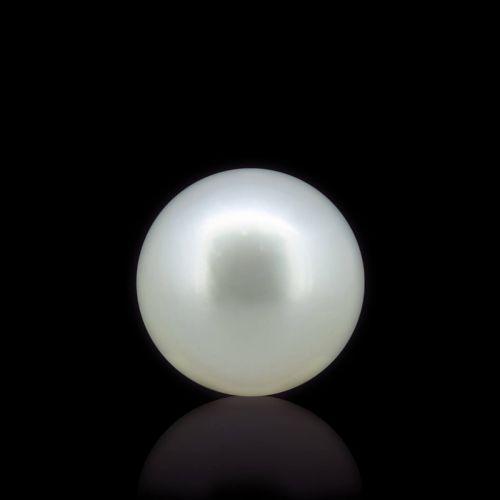
South Sea Peral are cultured Pearls grown in the warm, pristine waters of Australia. They are nucleated — a small bead nucleus is inserted into the oyster to initiate Pearl formation — but they grow in natural ocean conditions over an extended period, developing thick, high-quality nacre that makes them among the most lustrous and beautiful cultured Pearls in the world.
South Sea Pearls from Australia are known for their exceptional size, bright white to silver colour, and outstanding lustre. The thick nacre coating — developed over years of natural ocean growth — makes them astrologically effective and a popular, practical choice for Moon gemstones. At Shubh Gems, South Sea Pearl is one of our most recommended varieties for astrological buyers — offering genuine quality, strong lustre, and good nacre at accessible prices compared to rare natural Pearls.
Keshi Pearl — Natural Nacre, Unique Beauty
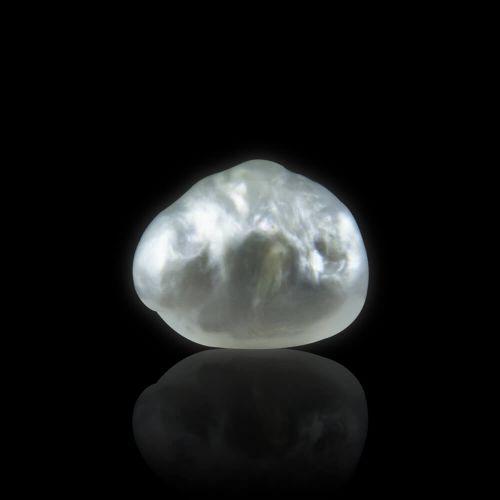
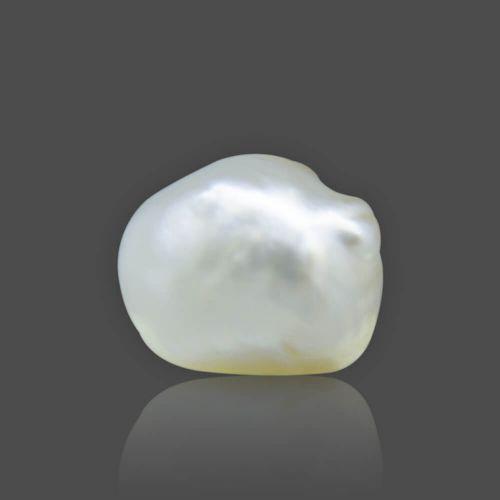
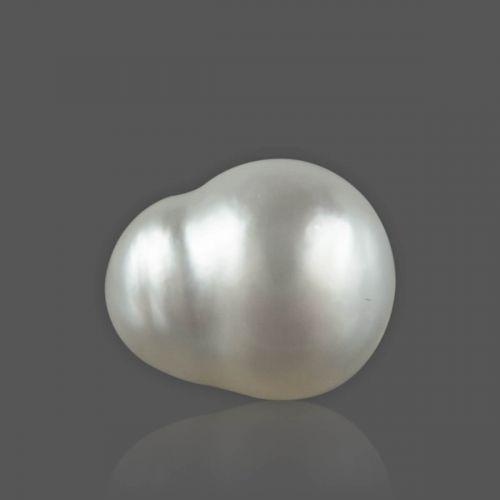
Keshi Peral are a special and highly valued variety — they form as a byproduct of the culturing process when the oyster rejects the nucleus and continues to produce a Pearl entirely of nacre, without any nucleus inside. The result is a Pearl that is 100% nacre — exceptionally lustrous, with a unique baroque shape and extraordinary surface brilliance.
Shubh Gems sources Keshi Pearls from Japan, where they are produced in both saltwater Akoya oysters and other molluscs. Because Keshi Pearls are entirely nacre — with no nucleus — they are considered particularly pure and are highly valued both for their beauty and for astrological use. Their strong lustre and full nacre composition make them an excellent choice for Moon strengthening.
Freshwater Pearl — Not Recommended for Astrological Use
Freshwater Pearls are the outcome of large-scale commercial production — farmed in freshwater lakes and rivers, primarily in China, with multiple Pearls grown per mollusc simultaneously. While they can be attractive and are widely used in jewellery, freshwater Pearls generally have thinner nacre, lower lustre, and lack the natural ocean energy that makes a Pearl astrologically potent.
At Shubh Gems, freshwater Pearls are not recommended for astrological use. The mass commercial production process, combined with lower nacre quality, makes them unsuitable for serious Moon gemstone therapy. Buyers who are offered freshwater Pearls as astrological Moti stones should approach with caution.
What Makes a Pearl Suitable for Astrological Use — Quality Parameters
Lustre — The Most Important Quality Factor
Lustre is the single most critical quality indicator in Pearl — both gemologically and astrologically. It is the deep, reflective glow that comes from within the Pearl, created by the way light interacts with the layers of nacre. A high-lustre Pearl appears to glow with an inner light — bright, sharp, and almost mirror-like on the surface.
In Vedic gemology, a Pearl's lustre is directly connected to its astrological potency. A bright, high-lustre Pearl transmits the Moon's energy more powerfully than a dull, chalky stone. Always prioritise lustre above all other quality factors when selecting a Moti for astrological use.
Nacre Thickness — Essential for Durability and Potency
Nacre is the crystalline substance that forms the Pearl — layer by layer over months and years. Nacre thickness determines both the Pearl's durability and its astrological effectiveness. A Pearl with thick nacre has been formed over a longer period, has a more stable structure, maintains its lustre over years of wear, and carries stronger natural Moon energy.
Thin-nacre Pearls — common in commercially produced freshwater varieties — chip, peel, and lose their lustre quickly. They are astrologically weak and not recommended for daily wear as a Moon gemstone.
Surface Quality
The surface of an astrological Pearl should be smooth and clean — free from deep pits, cracks, chips, or blemishes that significantly affect its appearance and structural integrity. Minor natural surface characteristics are acceptable and expected in genuine Pearls — perfectly flawless Pearls are extremely rare. What matters is that surface imperfections do not dominate the stone's appearance or compromise its structural integrity.
Colour — White for Moon Planet
White Pearl is the prescribed colour for the Moon in Vedic astrology. The Moon governs the mind, purity, and emotional clarity — and white reflects these qualities most directly. Shubh Gems stocks white South Sea, Keshi, Basra, and Venezuela Pearls specifically for astrological Moon gemstone use. Cream or silver-white overtones are also acceptable. Dyed or artificially coloured Pearls are not recommended for astrological purposes.
Fakes and Imitations — What Is Sold as Pearl in the Indian Market
The Pearl market has more imitations than almost any other gemstone category. Here is what buyers must watch for:
- Plastic Pearls — the most common imitation. Lightweight, uniform, perfectly round, with a surface that feels smooth and slightly warm to the touch. Extremely common in local jewellery markets at very low prices. Zero astrological value.
- Coated or Lacquered Imitations — glass or plastic beads coated with a pearlescent substance to mimic nacre lustre. The coating wears off over time, revealing the base material underneath. Not genuine Pearl in any sense.
- Shell Pearl — made from compressed shells coated with nacre-like material. Sometimes marketed as 'organic Pearl' or 'natural Pearl' because the base material is shell. Not a genuine Pearl and unsuitable for astrological use.
- Glass Pearl — glass beads with an iridescent coating. Found in costume jewellery. No astrological value.
- Low-nacre freshwater Pearl sold as South Sea Pearl — a common deception in the market. Freshwater Pearls presented as South Sea or Basra quality. Always insist on certification confirming variety and origin.
What to Check on the Certificate for Genuine Pearl
Always insist on a certificate from IIGJ, IGI, GIA, GJI, or GII for any Pearl purchase. The certificate should clearly state:
- Species must say: Pearl (Natural) or Pearl (Cultured) — the distinction matters significantly for price and astrological potency
- Type: Natural Pearl (Basra/Venezuela) or Cultured Pearl (South Sea/Keshi) — clearly specified
- Beryllium diffusion or Lattice diffusion — a treatment that artificially creates or intensifies colour by diffusing elements into the stone's surface. Disqualifies for astrological use.
- Nacre: For cultured Pearls, nacre thickness should be confirmed
- No mention of coating, dye, bleaching beyond normal processing, or artificial treatment
At Shubh Gems, we strongly advise against home testing methods for Pearl verification. They are unreliable, unscientific, and can damage the stone. The only reliable verification is a certificate from a reputed gemological laboratory. We encourage every buyer to get their Pearl independently tested at any laboratory of their choice after purchase.
Pearl Price Guide — Honest Market Rates
Pearl is priced differently from crystalline gemstones — quality, variety, lustre, nacre, and natural vs cultured status all significantly affect price. Here are current ranges:
- South Sea Pearl (Australia): Good quality astrological Pearl, excellent lustre and nacre, accessible price range for serious Moon gemstone buyers. Price varies by size and lustre quality — speak with our Gemstone Experts for current pricing.
- Keshi Pearl (Japan): Prized for full nacre composition and extraordinary lustre. Price depends on lustre quality, size, and surface quality.
- Basra Pearl and Venezuela Pearl (Natural Sea Pearl): Extremely rare natural Pearls formed entirely without human intervention. Priced at ₹20,000 and above per carat — reflecting their genuine rarity and exceptional astrological potency. The finest choice for Moon strengthening when budget is not a limitation.
If a seller offers 'Basra Pearl' or 'natural sea Pearl' at prices far below ₹20,000 per carat, approach with extreme caution. Genuine natural sea Pearls of any variety are rare and command real market prices. At those price points, the Pearl is almost certainly freshwater cultured, plastic, or coated imitation.
How to Wear Pearl (Moti) — Complete Vedic Guide
- Wearing options: Pearl can be worn either as a Moon Pendant in silver — worn close to the heart — or as a silver ring on the little finger of the right hand. Both are accepted and effective for astrological purposes. A pendant is recommended for those who prefer not to wear a ring, or for those whose lifestyle makes ring-wearing impractical.
- Metal: Silver is the only recommended metal for Pearl in Vedic astrology. Silver and the Moon share the same planetary association. Gold or Panchdhatu are not the standard recommendation for Moti.
- Day and Time: Monday (Somvar) morning — the day of the Moon. Wear for the first time on a Monday, within the first two hours after sunrise, during Shukla Paksha (waxing moon phase). The waxing moon is especially significant for Moon gemstones.
- Mantra: Om Shraam Shreem Shraum Sah Chandraya Namah — recite 108 times before wearing. This is the Chandra Beej Mantra.
- Energisation Ritual: Immerse the pendant or ring for 10 minutes in a mixture of raw milk, pure honey, Gangajal, pure ghee, and fresh Tulsi leaves. Remove, rinse gently with clean water, place on a white cloth facing northwest (Moon's direction), recite the Chandra Beej Mantra 108 times, then wear. Shubh Gems performs complete Pran Pratishtha before dispatch upon customer request.
Pearl Care — Important for Long-Term Wear
Pearl is a soft, organic gemstone (hardness 2.5 to 4.5 on the Mohs scale) that requires more care than crystalline gemstones. Keep Pearl away from perfumes, hairsprays, cosmetics, and harsh chemicals. Remove before swimming, bathing, or any activity involving water or chemicals. Clean gently with a soft, slightly damp cloth — never use ultrasonic cleaners or chemical cleaning agents. Store separately from harder gemstones to avoid surface scratching.
Pearl (Moon) is generally compatible with Ruby (Sun), Red Coral (Mars), and Yellow Sapphire (Jupiter). It should generally not be worn with Blue Sapphire (Saturn), Hessonite (Rahu), or Cat's Eye (Ketu) without specific expert guidance.
Why Shubh Gems for Your Pearl (Moti) Purchase
- Four genuine Pearl varieties under one roof — South Sea (Australia), Keshi Peral (Japan), Basra (Iraq/Persian Gulf), and Venezuela — all selected for lustre, nacre quality, and astrological suitability
- Clear honest guidance on variety — we tell you exactly which Pearl is natural sea Pearl, which is cultured, and what the difference means for your astrological requirement and budget
- Freshwater Pearl not stocked for astrological use — we do not recommend commercially produced freshwater Pearl for Moon gemstone therapy
- Certified by IIGJ, IGI, GIA, GJI, or GII — independent laboratory certification confirming Pearl variety, type (natural or cultured), and treatment status
- Fresh gemstones only — never previously owned or worn
- Moon Pendant and ring setting in silver — expertly crafted as per Vedic specifications with open-back setting for direct skin contact
- Gemstone energisation service — complete Pran Pratishtha before dispatch upon customer request
- Independent verification always welcome — full refund if authenticity is ever in question, no time limits, no conditions
Frequently Asked Questions About Pearl (Moti Stone)
What is the difference between natural Pearl and cultured Pearl for astrological use?
A natural Pearl forms entirely without human intervention — an oyster in the wild creates a Pearl spontaneously over many years of pure nacre growth. A cultured Pearl is initiated by inserting a nucleus into the oyster, which then coats it with nacre in ocean conditions. Natural Pearls like Basra and Venezuela are the most potent for astrological use and the rarest. South Sea and Keshi cultured Pearls, grown in natural ocean conditions with thick nacre, are excellent and accessible for astrological purposes. Freshwater Pearls, produced commercially with thin nacre, are not recommended for astrology.
Is South Sea Pearl good enough for astrological use, or do I need a natural Basra Pearl?
South Sea Pearl from Australia — with its exceptional lustre, thick nacre, and natural ocean growth conditions — is fully effective for astrological Moon strengthening and is our most recommended variety for the majority of astrological buyers. Natural Basra or Venezuela Pearl is the finest choice available and is recommended when budget is not a limitation. Both deliver genuine results when of good quality — the key factors for any Pearl are lustre, nacre thickness, and surface quality, regardless of variety.
What are Keshi Pearls and why are they valued for astrology?
Keshi Pearls form when an oyster rejects the inserted nucleus during the culturing process and continues producing a Pearl entirely of nacre — with no nucleus inside. The result is a 100% nacre Pearl with exceptional lustre and brilliance. Because Keshi Pearls are entirely nacre, they are considered particularly pure and are highly valued for astrological use. Shubh Gems sources Keshi Pearls from Japan, where they are known for outstanding quality.
Can I wear Pearl as a pendant instead of a ring?
Yes — a Moon Pendant in silver, worn close to the heart, is a fully accepted and effective option for astrological Pearl use. Many people prefer a pendant for practical reasons — it is easier to wear consistently, less likely to be removed, and keeps the Pearl safely away from daily physical contact that can damage a softer gemstone. The key requirement in both cases is that the Pearl touches the skin directly.
Why are freshwater Pearls not recommended for astrology?
Freshwater Pearls are the product of large-scale commercial farming — multiple Pearls grown per mollusc simultaneously in freshwater rivers and lakes. This process produces thin-nacre Pearls that lack the lustre, nacre depth, and natural ocean energy that makes a Pearl astrologically potent. They may look attractive as jewellery but do not carry the Moon's energy in the way a genuine South Sea, Keshi, or natural sea Pearl does.
How do I know if the Pearl I am buying is genuine and not plastic or coated?
The only reliable verification is a certificate from a reputed gemological laboratory — IIGJ, IGI, GIA, GJI, or GII — confirming the Pearl is natural or cultured (not imitation), specifying the variety, and noting nacre quality. We strongly advise against home testing methods as they are unreliable and can damage the Pearl. If in doubt about any Pearl purchase from any source, take it to a reputed gemological laboratory for independent testing.
What carat weight of Pearl should I wear for astrological benefit?
The standard formula is 1 Ratti (approximately 0.91 carat) per 12 kg of body weight, with a minimum of 5 Ratti generally recommended. However, Pearl size is often discussed in terms of mm diameter as well as carat weight. Your Astro Vedic expert may prescribe a specific weight based on your horoscope. As always, quality — particularly lustre and nacre — should take priority over size.
Final Thoughts
Of all the Navratna gemstones, Pearl is perhaps the most gentle and the most nourishing. Associated with the Moon — the planet of the mind, the emotions, and the inner world — a high-quality Pearl worn correctly brings the kind of calm, clarity, and emotional rootedness that supports everything else in life. But its power is entirely dependent on its quality. A plastic imitation, a thin-nacre freshwater Pearl, or a coated shell bead delivers nothing — not for the Moon, not for the mind.
At Shubh Gems, every Pearl we recommend for astrological use — whether South Sea, Keshi, Basra, or Venezuela — is selected specifically for lustre, nacre quality, and astrological suitability. Because when the Moon is what you are strengthening, only a Pearl that genuinely carries that energy will do.


Thoughts