 +91 - 8010-555-111
 INR
INR  AUD - Australian Dollar
  BHD - Bahraini Dinar
  GBP - British Pound
  CAD - Canadian Dollar
  EUR - Euro
  HKD - Hong Kong Dollar
  IDR - Indonesian Rupiah
  ILS - Israeli New Shekel
  JPY - Japanese Yen
  KWD - Kuwaiti Dinar
  MYR - Malaysian Ringgit
  MUR - Mauritian Rupee
  NZD - New Zealand Dollar
  OMR - Omani Rial
  PHP - Philippine Peso
  QAR - Qatari Riyal
  SAR - Saudi Riyal
  SGD - Singapore Dollar
  CHF - Swiss Franc
  USD - US Dollar
  AED - United Arab Emirates Dirham
  VND - Vietnamese Dong












Understanding Gemstone Hardness
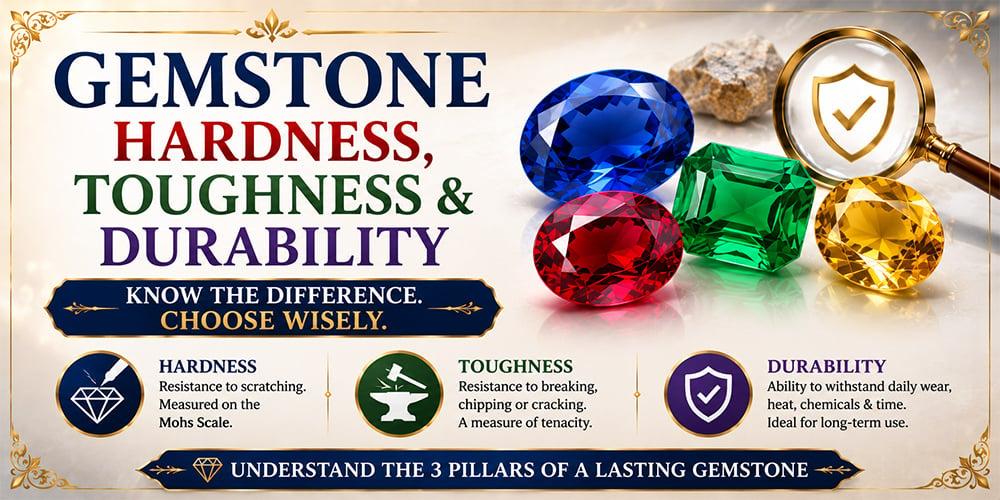
Hardness is a physical property of gemstones. Hardness is the resistance or surface strength of the stone against scratches. Hardness defines the durability of the gemstone, the ability to retain its surface finish and polish.
Moh’s scale is used to measure the hardness of a stone. It is a relative and not an absolute scale and was created to compare the hardness of gemstones. This scale rates the hardness of minerals on a scale of 1 to 10. Position 10 is allotted to Diamond as it is the hardest naturally occurring mineral on Earth.
Moh’s scale is a qualitative scale characterizing the scratch resistance of a mineral. Scratch resistance is the ability of a harder material to scratch a softer material. This scratch test can be destructive. Thus, only rough or unpolished stones are tested through this method. Note: Only a Diamond can scratch another Diamond.
Difference Between Hardness and Toughness
Hardness is often confused with toughness, but toughness is a completely different property related to the internal strength of a gemstone. Toughness is the resistance against breakage, that is, how easily a gemstone can crack, chip, or break into pieces.
A hard stone may not necessarily be tough and vice versa. For example, Diamond is the hardest gemstone but not the toughest. Although Diamond resists scratches extremely well, it can still chip or break if struck at certain angles because of its crystal structure. Jade, on the other hand, is considered one of the toughest gemstones even though it is not the hardest.
What is Gemstone Durability?
Durability is the overall ability of a gemstone to withstand wear, scratches, breakage, heat, pressure, chemicals, and environmental conditions over a long period of time. Durability depends on a combination of hardness, toughness, and stability.
A durable gemstone maintains its shine, polish, structure, and beauty even after years of regular use. This is why durability is one of the most important factors while selecting gemstones for rings, bracelets, and daily wear jewelry.
Mohs Hardness Scale of Popular Gemstones
Diamond : 10
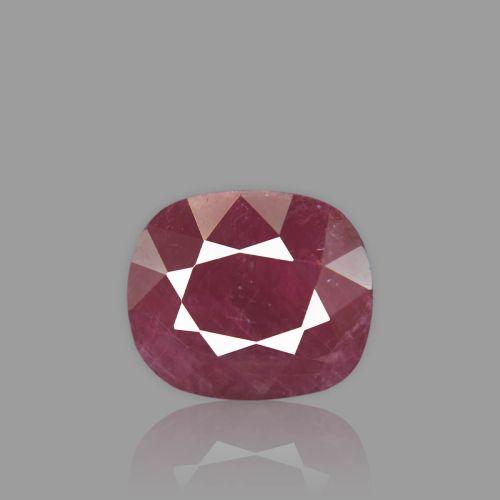
Ruby : 9
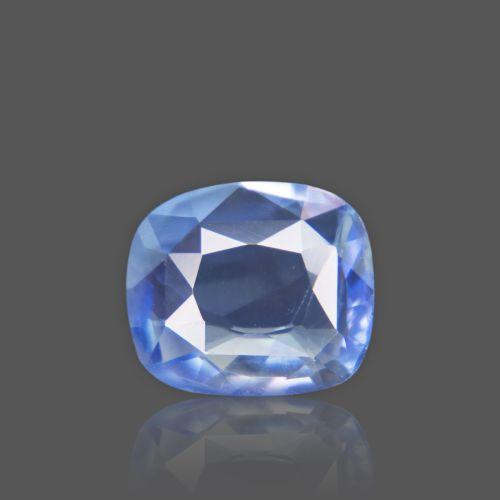
Blue Sapphire : 9
Topaz : 8
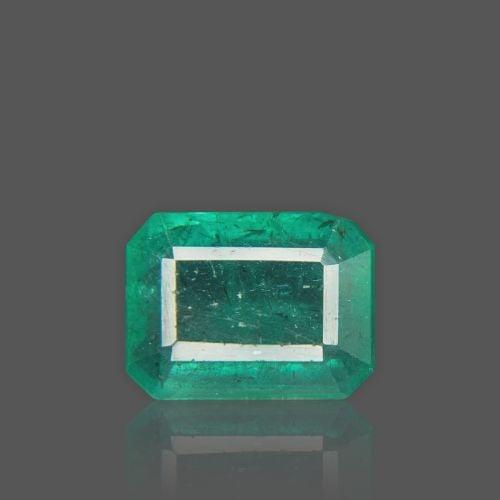
Emerald : 7.5 – 8
Aquamarine : 7.5 – 8
Amethyst : 7
Peridot : 6.5 – 7
Moonstone : 6 – 6.5
Opal : 5.5 – 6.5
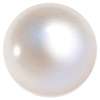
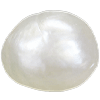
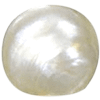
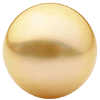
Pearl : 2.5 – 4.5
Most Durable Gemstones for Jewelry
Gemstones with high hardness and good toughness are preferred for jewelry because they can withstand regular wear and retain their polish for a very long time. Sapphire, Ruby, Topaz, and Diamond are among the most durable gemstones and are widely used in rings, pendants, bracelets, and engagement jewelry.
Softer gemstones with lower hardness can lose their luster and surface finish more quickly due to scratches and abrasion. Gemstones such as Opal, Pearl, and Moonstone require greater care and protection while wearing and storing.
How to Protect Gemstone Jewelry
Even durable gemstones should be handled carefully to maintain their beauty and longevity. Gemstone jewelry should be protected from sharp impacts, rough surfaces, chemicals, and sudden temperature changes.
It is advisable to remove gemstone jewelry while exercising, gardening, cleaning, or performing heavy physical work. Proper storage in separate soft pouches or jewelry boxes also helps prevent scratches caused by harder gemstones rubbing against softer stones.

Thoughts